
🎄 Festive Rush - Deliveries might take a bit longer. We appreciate your patience.
Festive Period 2025
Cut-Off Times

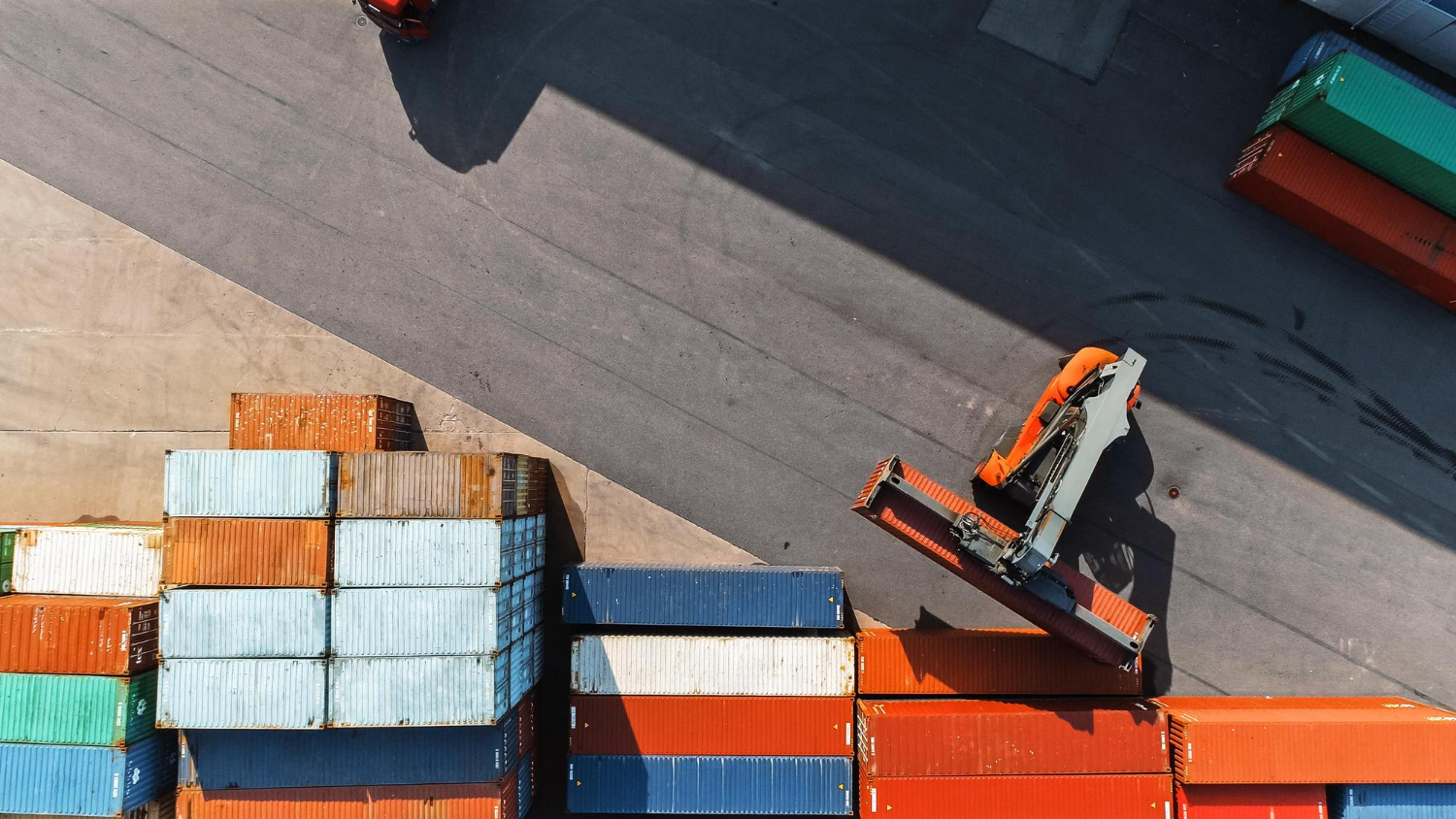
Freight consolidation shapes cost, timing, and cargo control for Australian importers shipping below full container load volumes. Global containerised trade reached 183 million TEUs in 2023 according to UNCTAD, with LCL shipments forming a significant share of consolidated cargo flows.
Local warehouse consolidation increases control over cargo condition and dispatch timing but adds handling costs. Port-based consolidation reduces freight cost per cubic metre but introduces dwell time and shared documentation risk.
This guide explains which approach works for specific supplier structures, cargo types, and lead time requirements.
Compare LCL sea freight rates across multiple carriers and book inbound consolidation freight to Australia through Couriers & Freight.
Get a Quote NowFreight consolidation combines multiple shipments into one container to reduce per-unit freight cost and improve container utilisation.
This process reduces freight cost per shipment while introducing shared handling and timing dependencies, which directly influence whether local or port consolidation is the better choice.
Local consolidation works for shipments requiring inspection or repackaging before export. Port consolidation is the right option for stable supplier volumes where cost reduction is the priority.
Importers deciding between these options should weigh supplier structure and tolerance for delay before selecting a consolidation model.
Local consolidation increases upfront cost while giving control over cargo condition and dispatch timing.
Local consolidation is the correct choice when cargo quality, supplier coordination, or compliance requirements outweigh the additional handling cost.

Port consolidation reduces freight cost by prioritising container utilisation over cargo control.
Port consolidation introduces two operational risks. Dwell time at a Container Freight Station can extend transit by 3 to 7 days while waiting for container completion. Documentation errors from one shipper can also delay the release of all cargo in the container until resolved with border authorities.
Port consolidation is the correct choice when shipment cost reduction is the priority and supply timelines can absorb variability.
The choice depends on supplier structure, cost priority, and cargo sensitivity.
These conditions provide a practical decision framework, helping importers narrow the right consolidation method based on their shipment profile.
Couriers & Freight provides access to multiple LCL carriers through one booking interface, allowing importers to compare rates across carriers without contacting each provider individually.
Shipment tracking covers movement from the origin port to the delivery address in Australia. Importers requiring post-arrival support can also arrange customs clearance through Couriers & Freight.
Importers ready to proceed can compare LCL freight rates and book inbound sea freight to Australia based on supplier origin, cargo volume, and required transit timing.
Compare LCL sea freight rates across multiple carriers and book inbound consolidation freight to Australia through Couriers & Freight.
Get a Quote Now


MHP

No Surcharge*

$16.50
$14
$15.50
$0
$15.50
$14.75
$0
$0
$0
$0
MHP Large Item
No Surcharge*
$16.50
$75
$62
$62
$60.10
$14.75
$0
$0
$0
$0
Residential Pickup
No Surcharge*
$6
$0
$9
--
$9
$10.60
$0
$0
$0
$38.50
Reidential pick up 30-99kgs
No Surcharge*
$63
$0
$9
$0
$9
$74.15
$20
Won't carry
Won't carry
$38.50
Residential pick up 100kgs+
No Surcharge*
$198
$0
$9
$0
$9
$158.87
$50
Won't carry
Won't carry
$38.50
Residential Delivery up to 29kgs
No Surcharge*
$6
$0
$9
--
$9.00
$10.60
$0
$0
$0
$38.50
Residential Delivery up 30-99kgs
No Surcharge*
$63
$0
$9
$0
$9
$74.15
$20
Won't carry
Won't carry
$38.50
Residential Delivery 100kgs+
No Surcharge*
$198
$0
$9
--
$9
$158.57
$50
Won't carry
Won't carry
$38.50
Tail Lift Pick up 50-99kgs Sydney / Melbourne
No Surcharge*
$45
$50-$250
$88
$88
$88
$44.07
$120
Won't carry
Won't carry
$61.50
Tail Lift Pick up 100-299kgs Sydney / Melbourne
No Surcharge*
$85
$50-$250
$88
$88
$88
$44.07
$120
Won't carry
Won't carry
$61.50
Tail Lift Pick up 300-499kgs Sydney / Melbourne
No Surcharge*
$120
$50-$250
$88
$88
$88
$44.07
$120
Won't carry
Won't carry
$61.50
Tail Lift Pick up 500kgs + Sydney / Melbourne
No Surcharge*
$250
$50-$250
$88
$88
$88
$44.07
$120
Won't carry
Won't carry
$61.50
Tail Lift Delivery 50-99kgs Sydney / Melbourne
No Surcharge*
$45
$50-$250
$88
$88
$88
$44.07
$120
Won't carry
Won't carry
$61.50
Tail Lift Delivery 100-299kgs Sydney / Melbourne
No Surcharge*
$85
$50-$250
$88
$88
$88
$44.07
$120
Won't carry
Won't carry
$61.50
Tail Lift Delivery300-499kgs Sydney / Melbourne
No Surcharge*
$120
$50-$250
$88
$88
$88
$44.07
$120
Won't carry
Won't carry
$61.50
Tail Lift Delivery 500kgs + Sydney / Melbourne
No Surcharge*
$250
$50-$250
$88
$88
$88
$44.07
$120
Won't carry
Won't carry
$61.50
Dead weight over 32KGS carton freight
No Surcharge*
$16.50
$75
$70
$70
$70
$14.75
$0
Won't carry
Won't carry
$0
Oversize Surcharge 1.20 - 1.54
No Surcharge*
--
$0
$0
$0
$0
$5.40
$10
$15
Won't carry
$0
Oversize Surcharge 1.55 - 1.85
No Surcharge*
$17
$20
$0
$0
$0
$11.93
$10
$15
Won't carry
$0
Oversize Surcharge 1.86 - 2.20
No Surcharge*
$37
$40
$0
$0
$0
$11.93
$10
Won't carry
Won't carry
$0
Pallet Surcharge
No Surcharge*
--
$0
$0
$0
$0
$0
$0
Won't carry
Won't carry
$0
Hand Unload Fee Carton
No Surcharge*
--
$0
$70
$70
$70
$47
$0
Won't carry
Won't carry
$61.50
Western Australia Regional Surcharge
No Surcharge*
%10
$0
$0
$0
$0
$0
$0
$0
$0
$0
*Surcharges may apply to areas/deimensions not listed
**Prices correct of 16th September 2024

Click to start shipping in less than 60 seconds