
🎄 Festive Rush - Deliveries might take a bit longer. We appreciate your patience.
Festive Period 2025
Cut-Off Times

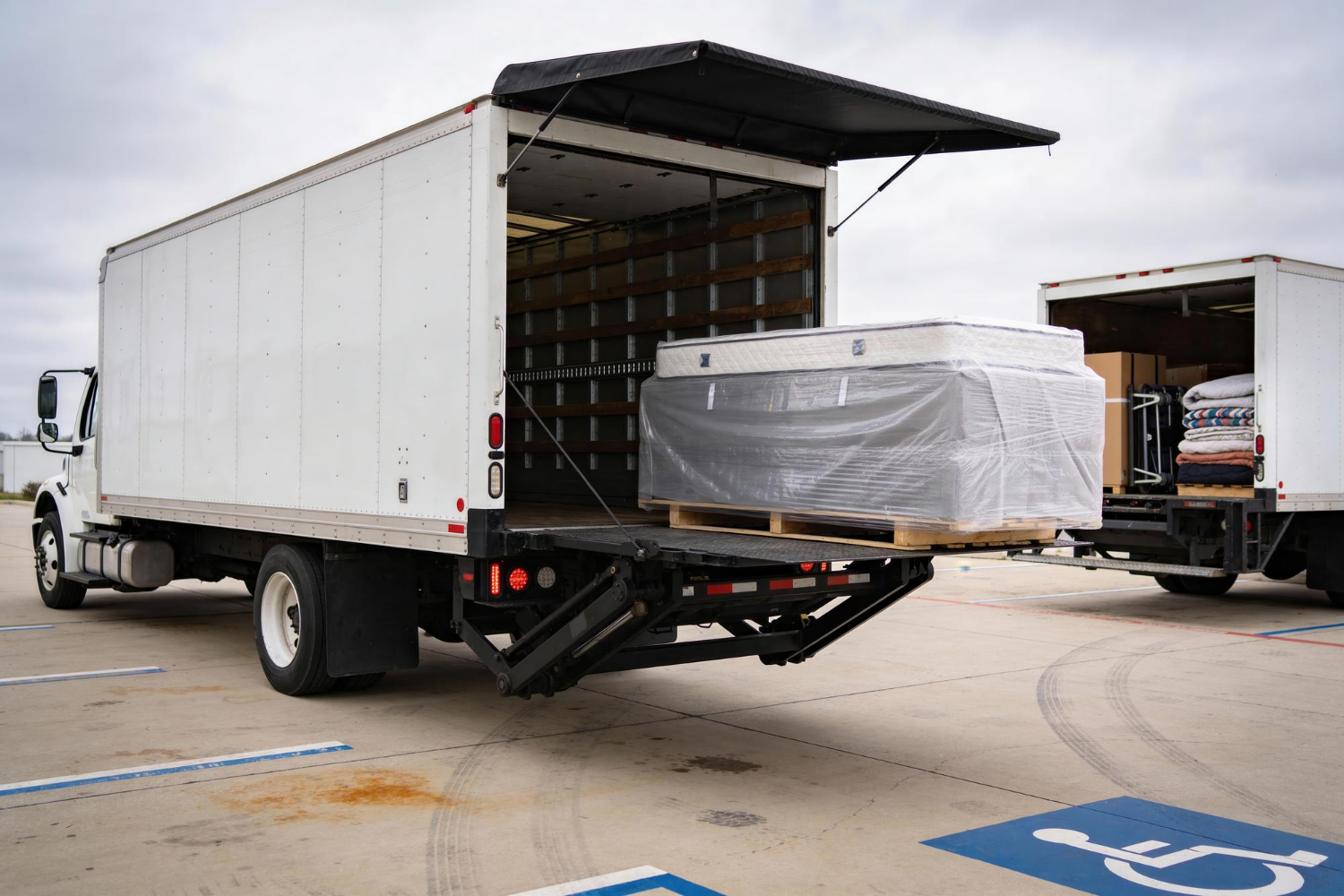
Partial truckload shipping is a road freight mode that sits between less-than-truckload (LTL) and full truckload (FTL), designed for shipments that occupy a significant portion of a trailer without requiring full capacity. For Australian businesses moving freight interstate, shipments that exceed LTL limits but do not justify a full trailer often result in either excessive handling or underutilised trailer space.
Road freight accounts for the majority of Australia’s domestic freight task, with over 200 billion tonne-kilometres moved annually. This makes selecting the correct freight mode critical for cost and service outcomes.
This article explains what partial truckload shipping is, when it is the right choice, how it compares to LTL and FTL, and how to book it in Australia.
Book road freight for mid-sized interstate shipments through Couriers & Freight's carrier network without contacting carriers individually.
Get a Quote NowCompare road freight rates across Australian carriers with Couriers & Freight.
Partial truckload shipping (PTL) is a road freight mode used for mid-sized shipments that are too large for LTL but do not require a full trailer. It typically applies to shipments of around 6 to 12 pallets, or roughly 4,000kg to 15,000kg, depending on density and trailer space usage.
Unlike LTL freight, which is consolidated through multiple terminals, PTL shipments usually travel with fewer handling points. Unlike FTL, where one customer occupies the entire trailer, PTL shares available trailer space while maintaining a more direct route.
Partial truckload shipping sits between these two modes operationally. The shipment occupies a defined portion of trailer space, and the carrier prices it based on space and weight rather than freight class. PTL freight may share a trailer with other shipments moving in the same direction, but it avoids the multi-terminal consolidation process typical of LTL.
Partial truckload shipping typically moves with fewer stops than LTL freight, often remaining on a single trailer between origin and destination. On major Australian corridors such as Sydney to Melbourne, linehaul transit commonly operates within 12 to 24 hours depending on service schedules, avoiding delays from terminal transfers.
Freight damage risk increases with each additional handling point in the supply chain. Because LTL shipments may pass through multiple terminals, they generally carry higher exposure to handling-related damage compared to more direct freight modes such as PTL or FTL. While claim rates vary by carrier and commodity type, handling intensity remains the key risk driver.
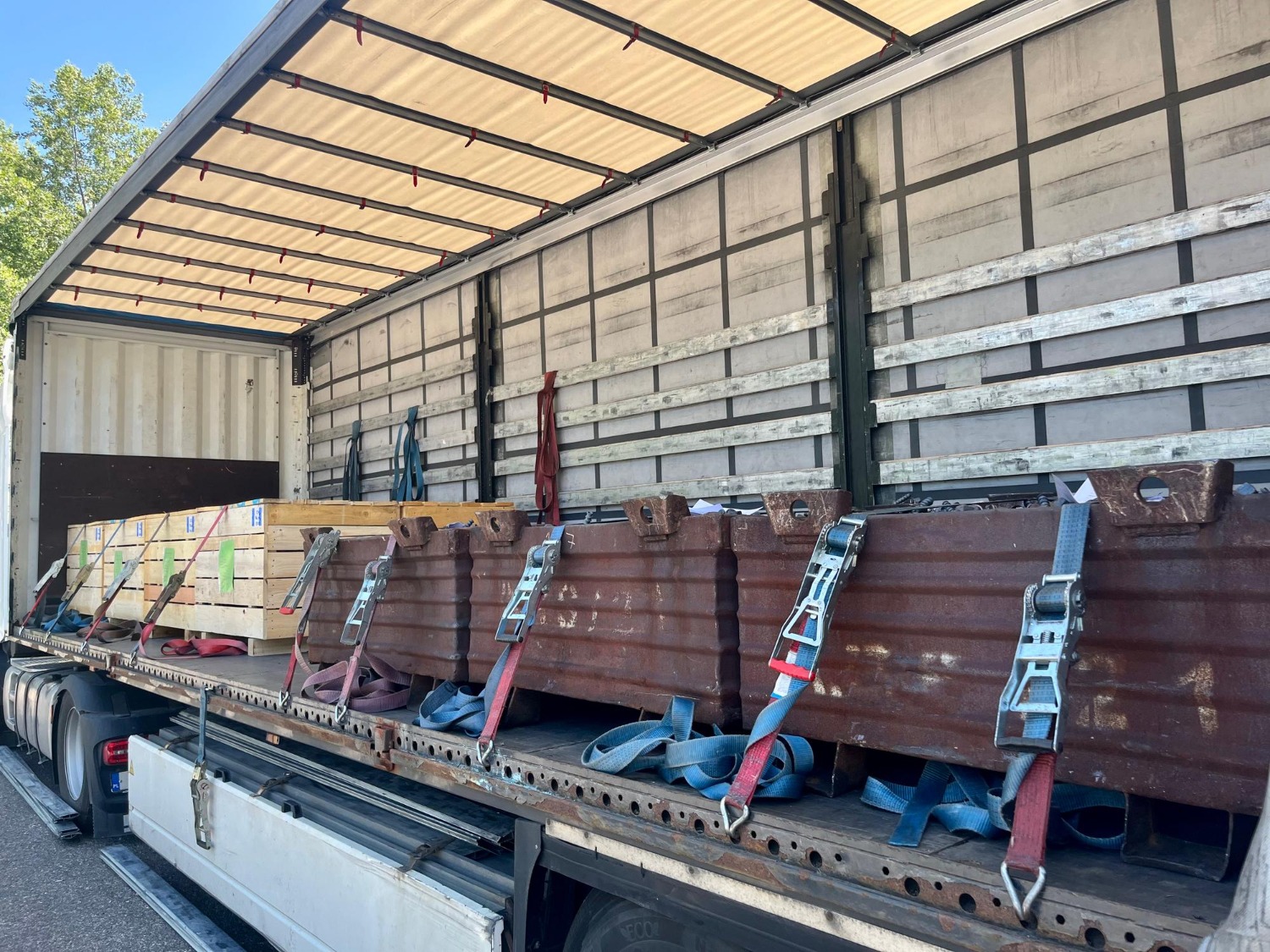
Partial truckload pricing is based on the space a shipment occupies in a trailer, combined with total weight and route demand.
Pricing is typically quoted as a flat lane rate or negotiated per load rather than by freight class.
This differs from LTL pricing, which is calculated using freight class, weight bands, and accessorial charges such as reclassification, handling fees, or residential delivery surcharges.
Partial truckload shipping generally provides faster transit than LTL on long-haul interstate routes because it avoids consolidation delays. While not as fast as full truckload, it offers a more direct transit profile for mid-sized freight moving between major Australian cities.
Use this section as a practical decision guide based on shipment size, freight type, and route conditions.
Partial truckload shipping is not suitable for every scenario. LTL remains more cost-effective for small shipments of low-value goods that can tolerate multiple handling points. Full truckload becomes appropriate when freight volume approaches trailer capacity, when delivery timelines are strict, or when shipment security requires exclusive trailer use.
Booking partial truckload shipping in Australia requires accurate shipment details and access to carriers operating on your required corridor. Shippers must confirm pallet count, dimensions, total weight, and the exact corridor, such as Brisbane to Adelaide or Sydney to Perth, before comparing services.
Steps to book partial truckload shipping:
Couriers & Freight provides access to Australian road freight carriers through a single platform, allowing businesses to compare rates, book shipments, and track deliveries without contacting carriers individually.
Compare road freight rates or explore road freight services before requesting a quote.
Book road freight for mid-sized interstate shipments through Couriers & Freight's carrier network without contacting carriers individually.
Get a Quote Now


MHP

No Surcharge*

$16.50
$14
$15.50
$0
$15.50
$14.75
$0
$0
$0
$0
MHP Large Item
No Surcharge*
$16.50
$75
$62
$62
$60.10
$14.75
$0
$0
$0
$0
Residential Pickup
No Surcharge*
$6
$0
$9
--
$9
$10.60
$0
$0
$0
$38.50
Reidential pick up 30-99kgs
No Surcharge*
$63
$0
$9
$0
$9
$74.15
$20
Won't carry
Won't carry
$38.50
Residential pick up 100kgs+
No Surcharge*
$198
$0
$9
$0
$9
$158.87
$50
Won't carry
Won't carry
$38.50
Residential Delivery up to 29kgs
No Surcharge*
$6
$0
$9
--
$9.00
$10.60
$0
$0
$0
$38.50
Residential Delivery up 30-99kgs
No Surcharge*
$63
$0
$9
$0
$9
$74.15
$20
Won't carry
Won't carry
$38.50
Residential Delivery 100kgs+
No Surcharge*
$198
$0
$9
--
$9
$158.57
$50
Won't carry
Won't carry
$38.50
Tail Lift Pick up 50-99kgs Sydney / Melbourne
No Surcharge*
$45
$50-$250
$88
$88
$88
$44.07
$120
Won't carry
Won't carry
$61.50
Tail Lift Pick up 100-299kgs Sydney / Melbourne
No Surcharge*
$85
$50-$250
$88
$88
$88
$44.07
$120
Won't carry
Won't carry
$61.50
Tail Lift Pick up 300-499kgs Sydney / Melbourne
No Surcharge*
$120
$50-$250
$88
$88
$88
$44.07
$120
Won't carry
Won't carry
$61.50
Tail Lift Pick up 500kgs + Sydney / Melbourne
No Surcharge*
$250
$50-$250
$88
$88
$88
$44.07
$120
Won't carry
Won't carry
$61.50
Tail Lift Delivery 50-99kgs Sydney / Melbourne
No Surcharge*
$45
$50-$250
$88
$88
$88
$44.07
$120
Won't carry
Won't carry
$61.50
Tail Lift Delivery 100-299kgs Sydney / Melbourne
No Surcharge*
$85
$50-$250
$88
$88
$88
$44.07
$120
Won't carry
Won't carry
$61.50
Tail Lift Delivery300-499kgs Sydney / Melbourne
No Surcharge*
$120
$50-$250
$88
$88
$88
$44.07
$120
Won't carry
Won't carry
$61.50
Tail Lift Delivery 500kgs + Sydney / Melbourne
No Surcharge*
$250
$50-$250
$88
$88
$88
$44.07
$120
Won't carry
Won't carry
$61.50
Dead weight over 32KGS carton freight
No Surcharge*
$16.50
$75
$70
$70
$70
$14.75
$0
Won't carry
Won't carry
$0
Oversize Surcharge 1.20 - 1.54
No Surcharge*
--
$0
$0
$0
$0
$5.40
$10
$15
Won't carry
$0
Oversize Surcharge 1.55 - 1.85
No Surcharge*
$17
$20
$0
$0
$0
$11.93
$10
$15
Won't carry
$0
Oversize Surcharge 1.86 - 2.20
No Surcharge*
$37
$40
$0
$0
$0
$11.93
$10
Won't carry
Won't carry
$0
Pallet Surcharge
No Surcharge*
--
$0
$0
$0
$0
$0
$0
Won't carry
Won't carry
$0
Hand Unload Fee Carton
No Surcharge*
--
$0
$70
$70
$70
$47
$0
Won't carry
Won't carry
$61.50
Western Australia Regional Surcharge
No Surcharge*
%10
$0
$0
$0
$0
$0
$0
$0
$0
$0
*Surcharges may apply to areas/deimensions not listed
**Prices correct of 16th September 2024

Click to start shipping in less than 60 seconds