
🎄 Festive Rush - Deliveries might take a bit longer. We appreciate your patience.
Festive Period 2025
Cut-Off Times

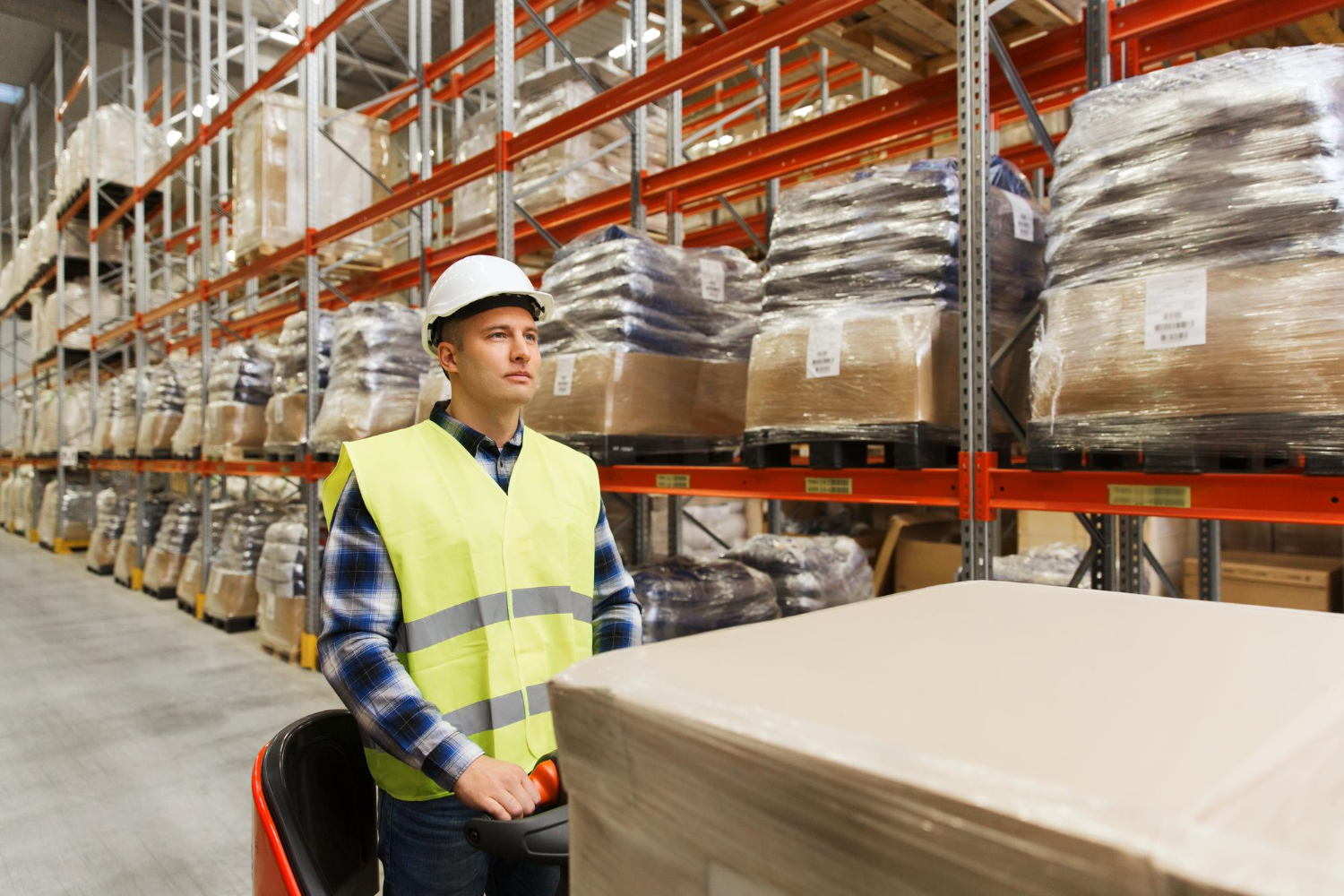
3PL warehousing for Shopify sellers is often a practical consideration as order volumes increase across Australia. As the Shopify platform supports millions of merchants globally, Australia’s own e-commerce industry has reached $69 billion in 2024.
For Shopify sellers processing consistent daily orders, fulfilment constraints such as time spent packing, storage limitations, and delivery delays become operational risks. This article explains when outsourcing to a Third-Party Logistics (3PL) provider becomes viable, how Shopify integration works, what costs to expect, and how to evaluate Australian providers.
Request a quote for warehousing, pick and pack, and outbound delivery through Couriers & Freight's carrier network.
Get a Quote NowExplore how Couriers & Freight’s 3PL service connects Shopify stores to warehousing and delivery through a single platform.
For a Shopify business, 3PL warehousing means outsourcing storage, order processing, and dispatch to a provider whose systems connect directly to the store. Orders transfer automatically from Shopify into the warehouse system, and tracking updates return to the customer without manual handling.
The four operational functions are:
Deciding whether to adopt 3PL warehousing for Shopify sellers depends on order volume, storage cost structure, and delivery performance.
Industry sources consistently cite 10 to 20 orders per day as the threshold where self-fulfilment begins to break down. Even at 10 orders a day, a single person is spending roughly an hour on packing alone. When orders contain multiple items or require special handling, that figure climbs quickly.
Above this volume, error rates can also increase. When one person manages receiving, packing, and dispatch simultaneously, mislabelled orders and incorrect quantities become more likely.
Pro Tip: As a general rule, if packing is consuming more than four hours of working time each day at steady-state volume, or inventory discrepancies are occurring more than once per week, the operational case for outsourcing is already there.
If you are currently processing 10 or more orders each day and fulfilment is consuming a material portion of your working hours, you have reached the threshold where a 3PL is worth evaluating on cost grounds alone.
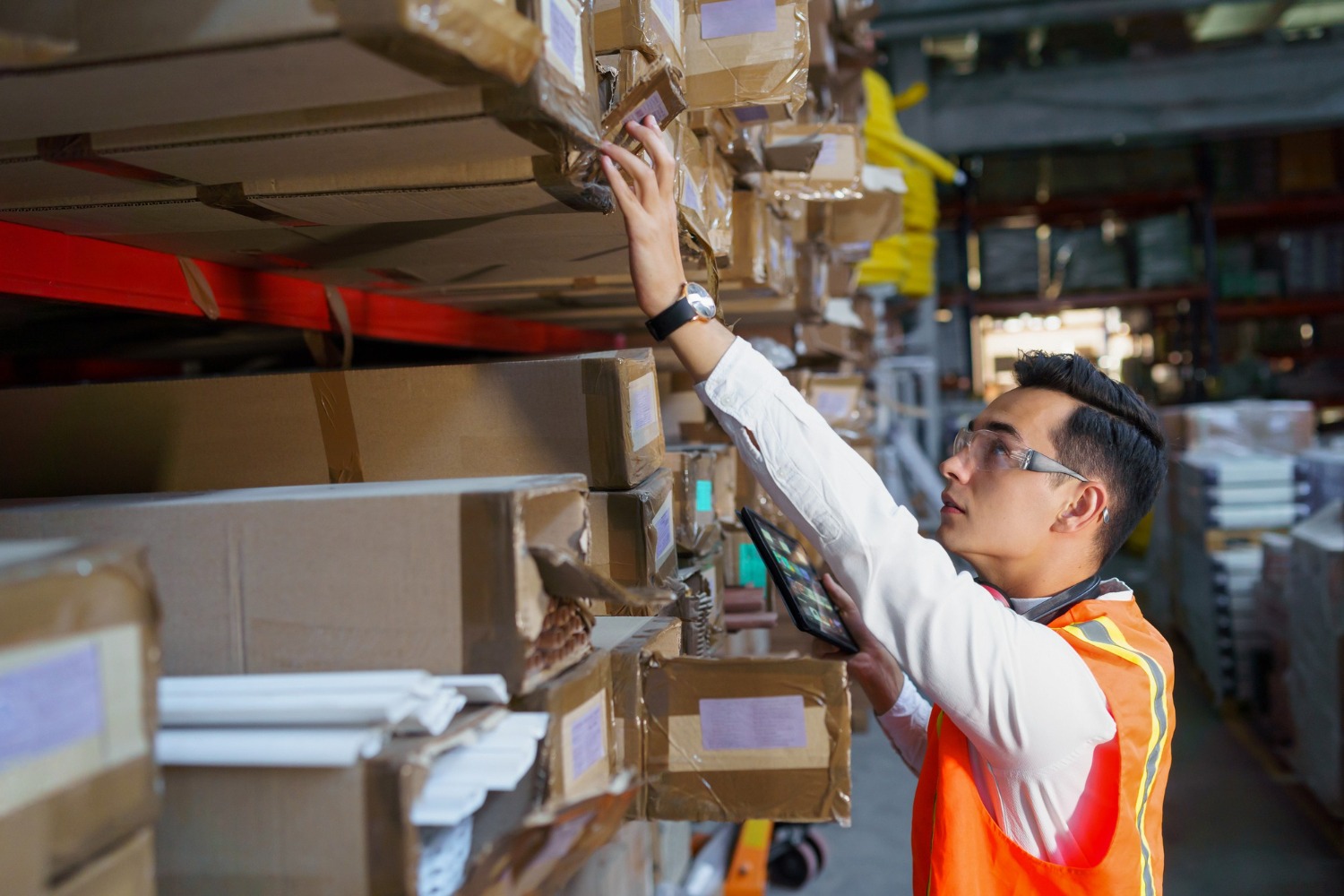
A seller storing stock in a leased storage unit or commercial space faces fixed costs regardless of order volume. Warehouse rent in Sydney and Melbourne now averages between $180 and $200 per square metre annually, and a modest 400 m² space can cost around $7,000 a month before electricity, insurance, and waste management are factored in.
By contrast, uTenant recorded a national median pallet storage rate of $4.50 per pallet per week, with state medians ranging from $4.10 in Victoria to $4.70 in New South Wales.
A leased space charges rent whether your shelves are full or empty. Whereas a 3PL only charges for the space your stock actually occupies, meaning storage costs scale with inventory rather than being fixed in advance. If your current storage costs are approaching or exceeding what a 3PL would charge per pallet at your current stock level, it may indicate that outsourcing is becoming commercially competitive, before accounting for any labour savings.
A seller dispatching from a single home address in Brisbane sends every interstate order on a longer transit path than a 3PL warehouse located in Sydney or Melbourne.
Standard Parcel Post within the same state typically takes 2 to 5 business days, while interstate shipments extend to 3 to 6 business days. PostGrid AU notes that same-state deliveries can take as little as 1 business day, whereas interstate deliveries can reach up to 11 business days, depending on the origin and destination state.
A 3PL with a warehouse in a major metro hub reduces transit times for interstate orders by placing stock closer to the customer before the order is placed. Faster, more consistent delivery can support improved repeat purchase rates.
If your delivery windows are routinely longer than customers expect, 3PL warehousing in a strategically located facility is the most direct operational lever available to close that gap.
Fee structures vary between Australian 3PL providers, and understanding each component before signing a contract is essential to avoiding unexpected charges at the end of your first billing period. The table below outlines the standard fee categories you will encounter.
A note on order minimums: Many Australian 3PL providers impose minimum monthly spend or order volume requirements. The Warehousing and Fulfilment Costs & Pricing Survey reports that the average monthly minimum climbed from $337.50 in 2024 to $517 in 2025.
For a Shopify seller processing fewer than 300 orders per month, this minimum can make a 3PL more expensive than continuing to fulfil in-house. Confirm the minimum billing structure with any provider before requesting a quote, and ask specifically whether it applies in months of low order volume.
Couriers & Freight provides a shared warehouse service that includes receiving, storage, pick and pack, and outbound dispatch through its integrated carrier network. The system connects directly with Shopify, allowing orders to move into fulfilment workflows without manual processing. Inventory, order status, and dispatch tracking are managed within a single platform.
Request a quote or compare your current fulfilment costs by visiting Couriers & Freight’s 3PL services page.
Request a quote for warehousing, pick and pack, and outbound delivery through Couriers & Freight's carrier network.
Get a Quote Now


MHP

No Surcharge*

$16.50
$14
$15.50
$0
$15.50
$14.75
$0
$0
$0
$0
MHP Large Item
No Surcharge*
$16.50
$75
$62
$62
$60.10
$14.75
$0
$0
$0
$0
Residential Pickup
No Surcharge*
$6
$0
$9
--
$9
$10.60
$0
$0
$0
$38.50
Reidential pick up 30-99kgs
No Surcharge*
$63
$0
$9
$0
$9
$74.15
$20
Won't carry
Won't carry
$38.50
Residential pick up 100kgs+
No Surcharge*
$198
$0
$9
$0
$9
$158.87
$50
Won't carry
Won't carry
$38.50
Residential Delivery up to 29kgs
No Surcharge*
$6
$0
$9
--
$9.00
$10.60
$0
$0
$0
$38.50
Residential Delivery up 30-99kgs
No Surcharge*
$63
$0
$9
$0
$9
$74.15
$20
Won't carry
Won't carry
$38.50
Residential Delivery 100kgs+
No Surcharge*
$198
$0
$9
--
$9
$158.57
$50
Won't carry
Won't carry
$38.50
Tail Lift Pick up 50-99kgs Sydney / Melbourne
No Surcharge*
$45
$50-$250
$88
$88
$88
$44.07
$120
Won't carry
Won't carry
$61.50
Tail Lift Pick up 100-299kgs Sydney / Melbourne
No Surcharge*
$85
$50-$250
$88
$88
$88
$44.07
$120
Won't carry
Won't carry
$61.50
Tail Lift Pick up 300-499kgs Sydney / Melbourne
No Surcharge*
$120
$50-$250
$88
$88
$88
$44.07
$120
Won't carry
Won't carry
$61.50
Tail Lift Pick up 500kgs + Sydney / Melbourne
No Surcharge*
$250
$50-$250
$88
$88
$88
$44.07
$120
Won't carry
Won't carry
$61.50
Tail Lift Delivery 50-99kgs Sydney / Melbourne
No Surcharge*
$45
$50-$250
$88
$88
$88
$44.07
$120
Won't carry
Won't carry
$61.50
Tail Lift Delivery 100-299kgs Sydney / Melbourne
No Surcharge*
$85
$50-$250
$88
$88
$88
$44.07
$120
Won't carry
Won't carry
$61.50
Tail Lift Delivery300-499kgs Sydney / Melbourne
No Surcharge*
$120
$50-$250
$88
$88
$88
$44.07
$120
Won't carry
Won't carry
$61.50
Tail Lift Delivery 500kgs + Sydney / Melbourne
No Surcharge*
$250
$50-$250
$88
$88
$88
$44.07
$120
Won't carry
Won't carry
$61.50
Dead weight over 32KGS carton freight
No Surcharge*
$16.50
$75
$70
$70
$70
$14.75
$0
Won't carry
Won't carry
$0
Oversize Surcharge 1.20 - 1.54
No Surcharge*
--
$0
$0
$0
$0
$5.40
$10
$15
Won't carry
$0
Oversize Surcharge 1.55 - 1.85
No Surcharge*
$17
$20
$0
$0
$0
$11.93
$10
$15
Won't carry
$0
Oversize Surcharge 1.86 - 2.20
No Surcharge*
$37
$40
$0
$0
$0
$11.93
$10
Won't carry
Won't carry
$0
Pallet Surcharge
No Surcharge*
--
$0
$0
$0
$0
$0
$0
Won't carry
Won't carry
$0
Hand Unload Fee Carton
No Surcharge*
--
$0
$70
$70
$70
$47
$0
Won't carry
Won't carry
$61.50
Western Australia Regional Surcharge
No Surcharge*
%10
$0
$0
$0
$0
$0
$0
$0
$0
$0
*Surcharges may apply to areas/deimensions not listed
**Prices correct of 16th September 2024

Click to start shipping in less than 60 seconds