
🎄 Festive Rush - Deliveries might take a bit longer. We appreciate your patience.
Festive Period 2025
Cut-Off Times


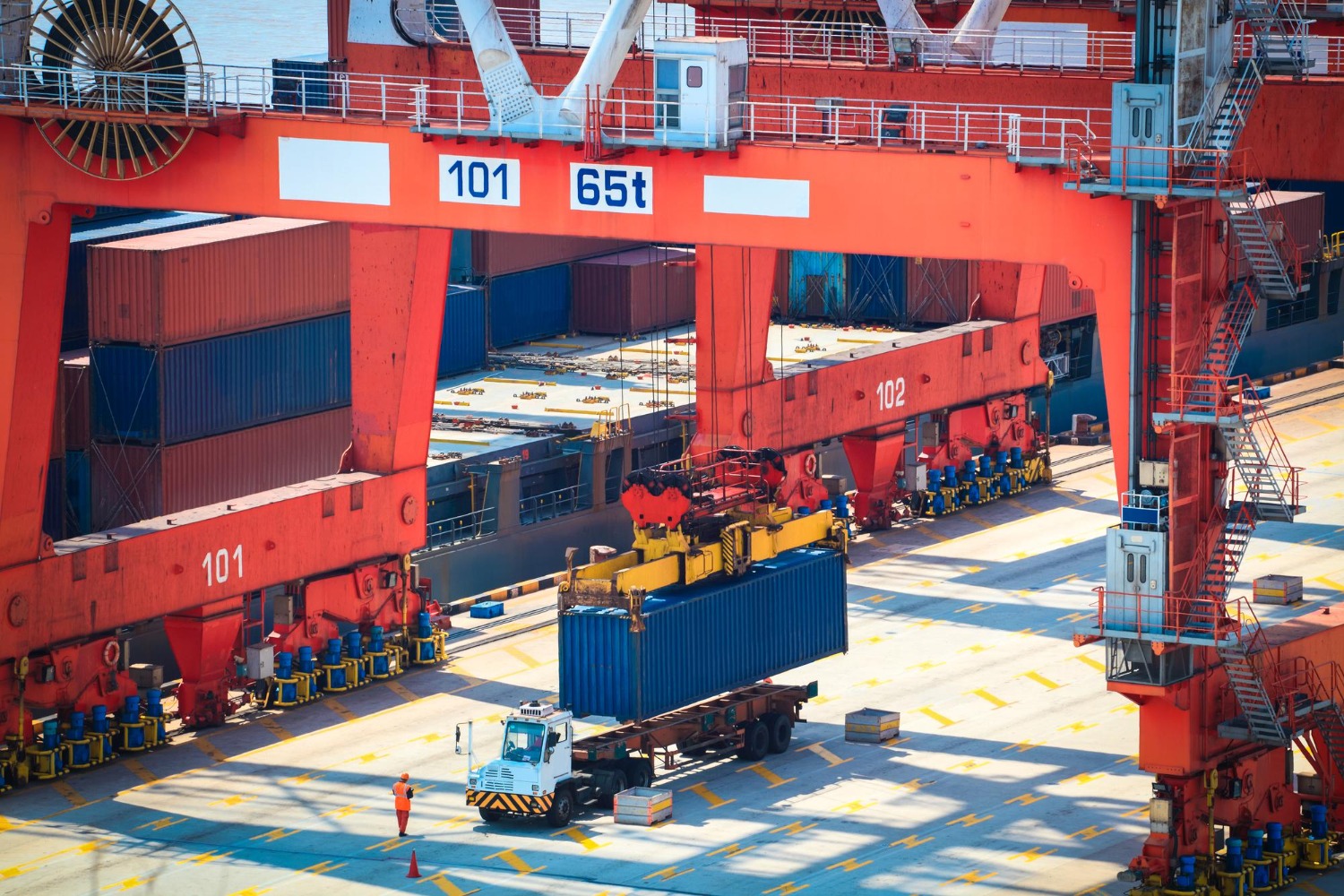
Middle East shipping delays are extending transit times across key trade lanes. Maersk confirmed on 1 March 2026 that affected ME11 and MECL sailings were rerouted via the Cape of Good Hope due to the deteriorating security situation in the Middle East. Some voyages are facing transit time increases of up to 15 days.
Australian importers and exporters using Gulf-connected routes are facing longer ocean transit times, changing carrier availability, and ongoing uncertainty around air freight schedules. This article outlines five practical actions businesses can take now to reduce delay exposure and maintain supply chain continuity.
Book international air freight and LCL sea freight through Couriers & Freight to access available routes across multiple carriers.
Get a Quote NowBusinesses should also review purchase orders, inventory forecasts, and expected arrival dates to identify shipments most exposed to delays before stock shortages occur.
Australian businesses experiencing Middle East shipping delays can compare available options through Couriers & Freight's international shipping service.
The following strategies can help Australian businesses reduce the impact of Middle East shipping delays and maintain supply chain continuity while carrier schedules remain disrupted.
If your shipment previously relied on Gulf-connected services or Red Sea transit, confirm whether it has been rerouted via the Cape of Good Hope. Maersk announced the rerouting of affected ME11 and MECL services on 1 March 2026, while industry reporting indicates some sailings are experiencing transit time increases of up to 15 days.
For Australian importers, this can affect cargo moving through hubs such as Jebel Ali, Dammam, Doha, and Khalifa Port. Ask your freight provider whether the shipment has already been rerouted, is awaiting reassignment, or is facing transhipment delays at regional hubs.
Businesses can compare available sea freight options through Couriers & Freight’s sea freight quote.
Longer transit times mean inventory planning assumptions may no longer be accurate. Where freight routes have absorbed an additional 10-15 days, businesses should review reorder points and safety stock levels immediately. This is particularly relevant for Australian businesses replenishing Amazon FBA inventory or managing seasonal stock.
If your lead time calculations were based on pre-disruption schedules, consider adding 2-3 weeks of inventory buffer while carrier schedules remain volatile. In many cases, the cost of holding additional inventory is lower than the cost of stockouts, emergency replenishment, or missed customer commitments.
Before confirming a new order affected by Middle East shipping delays, verify whether the intended carrier is currently accepting bookings for the destination and routing required.
This is especially important for shipments involving the UAE, Qatar, Bahrain, Kuwait, and Iraq, where service availability can change quickly.
Review carrier advisory pages from Maersk, MSC, CMA CGM, and Hapag-Lloyd alongside freight broker updates.
Couriers & Freight's Pro Tip: Ask for written confirmation of the proposed routing, expected transit time and any applicable surcharges before finalising the booking. This reduces the risk of unexpected delays or cost increases after cargo has been committed.
Air freight is a practical alternative when delays create a significant commercial risk. DHL reported in May 2026 that Gulf carriers had restored more than 80% of pre-crisis air freight capacity, although operations remain sensitive to further disruption.
Air freight is often most cost-effective for high-value, low-weight goods, urgent replacement stock, or shipments supporting contractual delivery commitments. For many Australian importers, consignments below 150 kg with a high value-to-weight ratio remain the strongest candidates for air freight.
Businesses needing urgent alternatives to current freight disruptions can compare current air freight options at Couriers & Freight.
During periods of regional freight disruption, relying on a single carrier can limit your options.
A multi-carrier freight broker provides visibility across available services, alternative routings, and current carrier capacity from one platform. This becomes particularly valuable when carriers are applying different operational responses to the same regional disruption.
Australian businesses managing shipments through Singapore, Colombo, Jebel Ali, or other major transhipment hubs can use a multi-carrier platform to identify available alternatives without contacting multiple carriers individually. This approach improves flexibility and reduces the time required to secure a workable routing.
Consider an Australian importer with a pending less-than-container-load (LCL) shipment from Asia, originally scheduled to move through Jebel Ali. When the routing becomes unavailable, the business needs to identify alternative carriers, confirm which services are accepting bookings, and check revised transit times.
Couriers & Freight allows businesses affected by current route disruptions to compare international air freight and LCL sea freight services across multiple carriers. Available routes can be compared and bookings made without contacting each carrier individually. Shipments are tracked through the same account once booked.
Compare current routes and book international freight through Couriers & Freight's international shipping service.
Book international air freight and LCL sea freight through Couriers & Freight to access available routes across multiple carriers.
Get a Quote Now


MHP

No Surcharge*

$16.50
$14
$15.50
$0
$15.50
$14.75
$0
$0
$0
$0
MHP Large Item
No Surcharge*
$16.50
$75
$62
$62
$60.10
$14.75
$0
$0
$0
$0
Residential Pickup
No Surcharge*
$6
$0
$9
--
$9
$10.60
$0
$0
$0
$38.50
Reidential pick up 30-99kgs
No Surcharge*
$63
$0
$9
$0
$9
$74.15
$20
Won't carry
Won't carry
$38.50
Residential pick up 100kgs+
No Surcharge*
$198
$0
$9
$0
$9
$158.87
$50
Won't carry
Won't carry
$38.50
Residential Delivery up to 29kgs
No Surcharge*
$6
$0
$9
--
$9.00
$10.60
$0
$0
$0
$38.50
Residential Delivery up 30-99kgs
No Surcharge*
$63
$0
$9
$0
$9
$74.15
$20
Won't carry
Won't carry
$38.50
Residential Delivery 100kgs+
No Surcharge*
$198
$0
$9
--
$9
$158.57
$50
Won't carry
Won't carry
$38.50
Tail Lift Pick up 50-99kgs Sydney / Melbourne
No Surcharge*
$45
$50-$250
$88
$88
$88
$44.07
$120
Won't carry
Won't carry
$61.50
Tail Lift Pick up 100-299kgs Sydney / Melbourne
No Surcharge*
$85
$50-$250
$88
$88
$88
$44.07
$120
Won't carry
Won't carry
$61.50
Tail Lift Pick up 300-499kgs Sydney / Melbourne
No Surcharge*
$120
$50-$250
$88
$88
$88
$44.07
$120
Won't carry
Won't carry
$61.50
Tail Lift Pick up 500kgs + Sydney / Melbourne
No Surcharge*
$250
$50-$250
$88
$88
$88
$44.07
$120
Won't carry
Won't carry
$61.50
Tail Lift Delivery 50-99kgs Sydney / Melbourne
No Surcharge*
$45
$50-$250
$88
$88
$88
$44.07
$120
Won't carry
Won't carry
$61.50
Tail Lift Delivery 100-299kgs Sydney / Melbourne
No Surcharge*
$85
$50-$250
$88
$88
$88
$44.07
$120
Won't carry
Won't carry
$61.50
Tail Lift Delivery300-499kgs Sydney / Melbourne
No Surcharge*
$120
$50-$250
$88
$88
$88
$44.07
$120
Won't carry
Won't carry
$61.50
Tail Lift Delivery 500kgs + Sydney / Melbourne
No Surcharge*
$250
$50-$250
$88
$88
$88
$44.07
$120
Won't carry
Won't carry
$61.50
Dead weight over 32KGS carton freight
No Surcharge*
$16.50
$75
$70
$70
$70
$14.75
$0
Won't carry
Won't carry
$0
Oversize Surcharge 1.20 - 1.54
No Surcharge*
--
$0
$0
$0
$0
$5.40
$10
$15
Won't carry
$0
Oversize Surcharge 1.55 - 1.85
No Surcharge*
$17
$20
$0
$0
$0
$11.93
$10
$15
Won't carry
$0
Oversize Surcharge 1.86 - 2.20
No Surcharge*
$37
$40
$0
$0
$0
$11.93
$10
Won't carry
Won't carry
$0
Pallet Surcharge
No Surcharge*
--
$0
$0
$0
$0
$0
$0
Won't carry
Won't carry
$0
Hand Unload Fee Carton
No Surcharge*
--
$0
$70
$70
$70
$47
$0
Won't carry
Won't carry
$61.50
Western Australia Regional Surcharge
No Surcharge*
%10
$0
$0
$0
$0
$0
$0
$0
$0
$0
*Surcharges may apply to areas/deimensions not listed
**Prices correct of 16th September 2024

Click to start shipping in less than 60 seconds