
🎄 Festive Rush - Deliveries might take a bit longer. We appreciate your patience.
Festive Period 2025
Cut-Off Times


The Chinese New Year shutdown will pause production across thousands of export factories in China, with many manufacturers closing weeks before the official holiday and restarting gradually afterwards. For Australian importers, this annual manufacturing pause affects production timelines, vessel availability, and delivery schedules well beyond the public holiday dates.
This guide explains how to plan around shutdown dates, freight cut-offs, and recovery delays, and to coordinate through logistics providers, helping align shipments with realistic import schedules.
Secure vessel space for your China-to-Australia shipment before Chinese New Year cut-off dates.
Get a Quote NowEarly booking coordination with logistics partners, including Couriers & Freight, helps align shipments with confirmed production timelines and available pre-shutdown vessel space.
Factories are often closed or operating at reduced capacity for at least four weeks surrounding the Chinese New Year, with additional disruptions before and after the holiday period due to worker travel and staggered returns.
As a result, effective import planning requires knowing supplier production timelines, vessel schedules, and inventory coverage:
The official public holiday calendar does not reflect actual factory operating schedules. Many manufacturers suspend production earlier so employees can travel home, and normal output often resumes gradually rather than immediately after reopening.
Importers should obtain written confirmation of key milestones, including:
These details help determine whether goods can depart before the shutdown or must wait until operations stabilise. Early clarity allows businesses to adjust shipping plans and avoid relying on overly optimistic production assumptions.
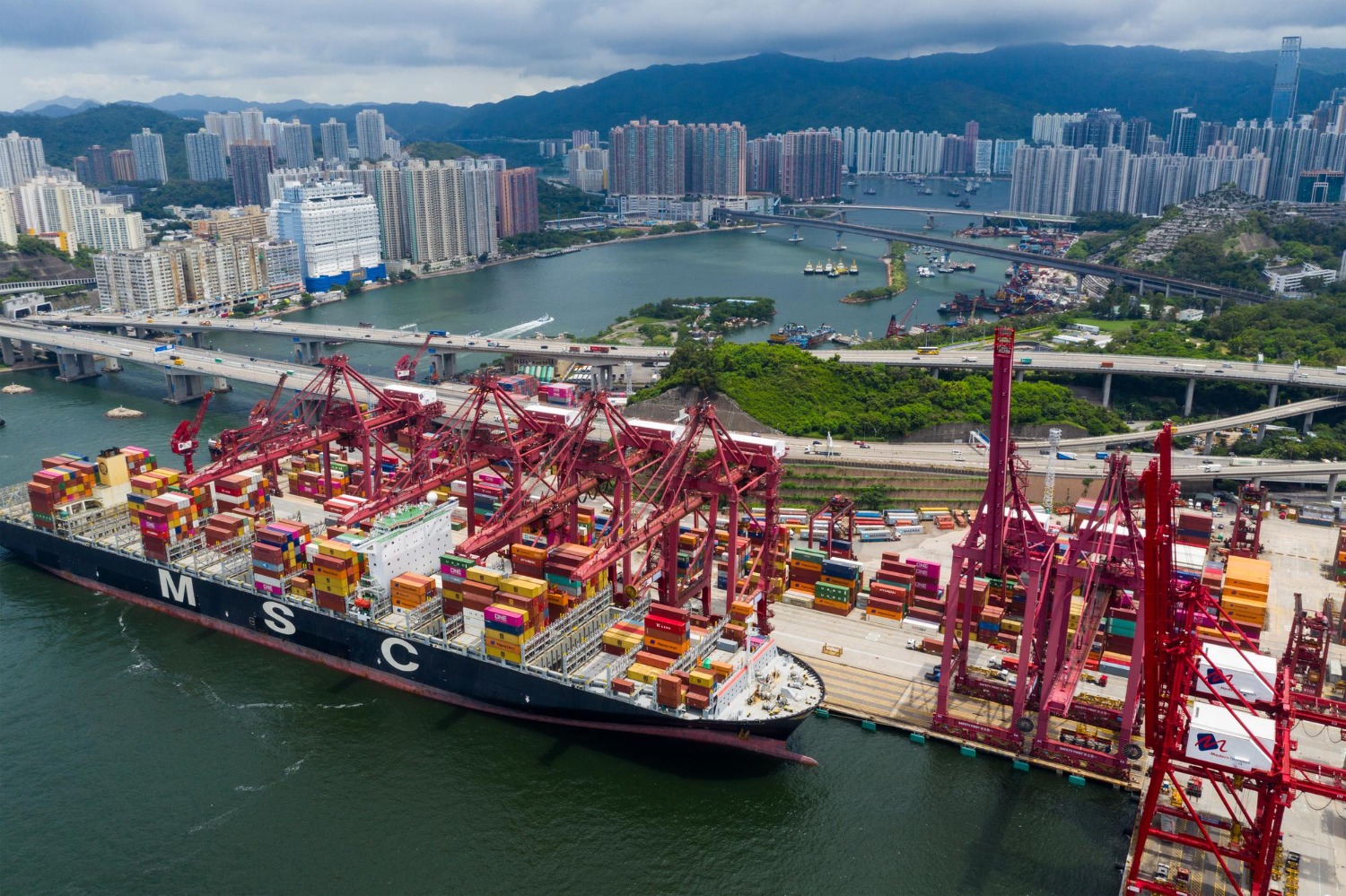
Sea freight operates on fixed sailing schedules, and containers must be delivered to port before strict cut-off deadlines. Importers should calculate timelines by starting with the required arrival date in Australia and working backwards through each stage of the process.
Total transit time often extends to 30-40 days, including cargo handling, customs clearance, and inland delivery.
As the holiday approaches, available vessel space becomes limited. Missing a cut-off can result in cargo being reassigned to a later sailing, potentially adding weeks to delivery timeframes. Booking space as soon as production timing is confirmed improves the likelihood of securing suitable departures.
Operations typically take time to stabilise after factories reopen. Manufacturers must complete pending orders, logistics providers manage accumulated shipments, and carriers rebalance container availability across export regions.
These factors can slow cargo movement and reduce schedule reliability, even after production resumes. Delays during this period may affect departure timing, transit duration, and delivery predictability.
To minimise disruption, importers should include contingency time in their planning and avoid relying on shipments scheduled immediately after the holiday for time-sensitive inventory needs.
Stock availability during the shutdown depends on the inventory prepared in advance. Reviewing recent sales trends, supplier lead times, and confirmed shipments helps determine whether additional stock is needed to maintain fulfilment.
Because replenishment cycles can extend during this period, businesses may need to rely on existing inventory for longer than usual. Adequate preparation helps maintain a consistent supply while production and export activity recover.
If increasing stock levels is not practical, adjusting commercial plans can reduce risk. Delaying promotions, product releases, or restocking commitments until shipments are confirmed helps avoid supply gaps and unmet customer expectations.
Early inventory preparation reduces the risk of stockouts and avoids placing pressure on replenishment shipments scheduled immediately before or after the shutdown period.
Planning shipments around the Chinese New Year shutdown requires aligning supplier production completion with carrier booking and port cut-off schedules. Earlier booking coordination helps secure vessel space before factory closures and reduced sailing frequency limit available departures. Confirming bookings in advance also allows importers to match shipment readiness with realistic transit timelines to Australia.
Access to multiple sea freight carriers allows importers to select sailings based on confirmed departure dates, available capacity, and routing options during the pre-holiday and recovery periods. This supports carrier selection based on departure timing, routing, and capacity availability, which is particularly important during pre-holiday congestion and post-holiday recovery periods.
Shipment visibility tools allow importers to track cargo progress from origin departure through to arrival. This visibility supports delivery scheduling by helping businesses prepare for warehouse receiving, allocate inventory, and coordinate downstream fulfilment.
Importers managing China-to-Australia shipments during the shutdown period can request a quote from Couriers & Freight to review available carrier schedules and align bookings with confirmed production and shipping timelines.
Secure vessel space for your China-to-Australia shipment before Chinese New Year cut-off dates.
Get a Quote Now


MHP

No Surcharge*

$16.50
$14
$15.50
$0
$15.50
$14.75
$0
$0
$0
$0
MHP Large Item
No Surcharge*
$16.50
$75
$62
$62
$60.10
$14.75
$0
$0
$0
$0
Residential Pickup
No Surcharge*
$6
$0
$9
--
$9
$10.60
$0
$0
$0
$38.50
Reidential pick up 30-99kgs
No Surcharge*
$63
$0
$9
$0
$9
$74.15
$20
Won't carry
Won't carry
$38.50
Residential pick up 100kgs+
No Surcharge*
$198
$0
$9
$0
$9
$158.87
$50
Won't carry
Won't carry
$38.50
Residential Delivery up to 29kgs
No Surcharge*
$6
$0
$9
--
$9.00
$10.60
$0
$0
$0
$38.50
Residential Delivery up 30-99kgs
No Surcharge*
$63
$0
$9
$0
$9
$74.15
$20
Won't carry
Won't carry
$38.50
Residential Delivery 100kgs+
No Surcharge*
$198
$0
$9
--
$9
$158.57
$50
Won't carry
Won't carry
$38.50
Tail Lift Pick up 50-99kgs Sydney / Melbourne
No Surcharge*
$45
$50-$250
$88
$88
$88
$44.07
$120
Won't carry
Won't carry
$61.50
Tail Lift Pick up 100-299kgs Sydney / Melbourne
No Surcharge*
$85
$50-$250
$88
$88
$88
$44.07
$120
Won't carry
Won't carry
$61.50
Tail Lift Pick up 300-499kgs Sydney / Melbourne
No Surcharge*
$120
$50-$250
$88
$88
$88
$44.07
$120
Won't carry
Won't carry
$61.50
Tail Lift Pick up 500kgs + Sydney / Melbourne
No Surcharge*
$250
$50-$250
$88
$88
$88
$44.07
$120
Won't carry
Won't carry
$61.50
Tail Lift Delivery 50-99kgs Sydney / Melbourne
No Surcharge*
$45
$50-$250
$88
$88
$88
$44.07
$120
Won't carry
Won't carry
$61.50
Tail Lift Delivery 100-299kgs Sydney / Melbourne
No Surcharge*
$85
$50-$250
$88
$88
$88
$44.07
$120
Won't carry
Won't carry
$61.50
Tail Lift Delivery300-499kgs Sydney / Melbourne
No Surcharge*
$120
$50-$250
$88
$88
$88
$44.07
$120
Won't carry
Won't carry
$61.50
Tail Lift Delivery 500kgs + Sydney / Melbourne
No Surcharge*
$250
$50-$250
$88
$88
$88
$44.07
$120
Won't carry
Won't carry
$61.50
Dead weight over 32KGS carton freight
No Surcharge*
$16.50
$75
$70
$70
$70
$14.75
$0
Won't carry
Won't carry
$0
Oversize Surcharge 1.20 - 1.54
No Surcharge*
--
$0
$0
$0
$0
$5.40
$10
$15
Won't carry
$0
Oversize Surcharge 1.55 - 1.85
No Surcharge*
$17
$20
$0
$0
$0
$11.93
$10
$15
Won't carry
$0
Oversize Surcharge 1.86 - 2.20
No Surcharge*
$37
$40
$0
$0
$0
$11.93
$10
Won't carry
Won't carry
$0
Pallet Surcharge
No Surcharge*
--
$0
$0
$0
$0
$0
$0
Won't carry
Won't carry
$0
Hand Unload Fee Carton
No Surcharge*
--
$0
$70
$70
$70
$47
$0
Won't carry
Won't carry
$61.50
Western Australia Regional Surcharge
No Surcharge*
%10
$0
$0
$0
$0
$0
$0
$0
$0
$0
*Surcharges may apply to areas/deimensions not listed
**Prices correct of 16th September 2024

Click to start shipping in less than 60 seconds