
🎄 Festive Rush - Deliveries might take a bit longer. We appreciate your patience.
Festive Period 2025
Cut-Off Times

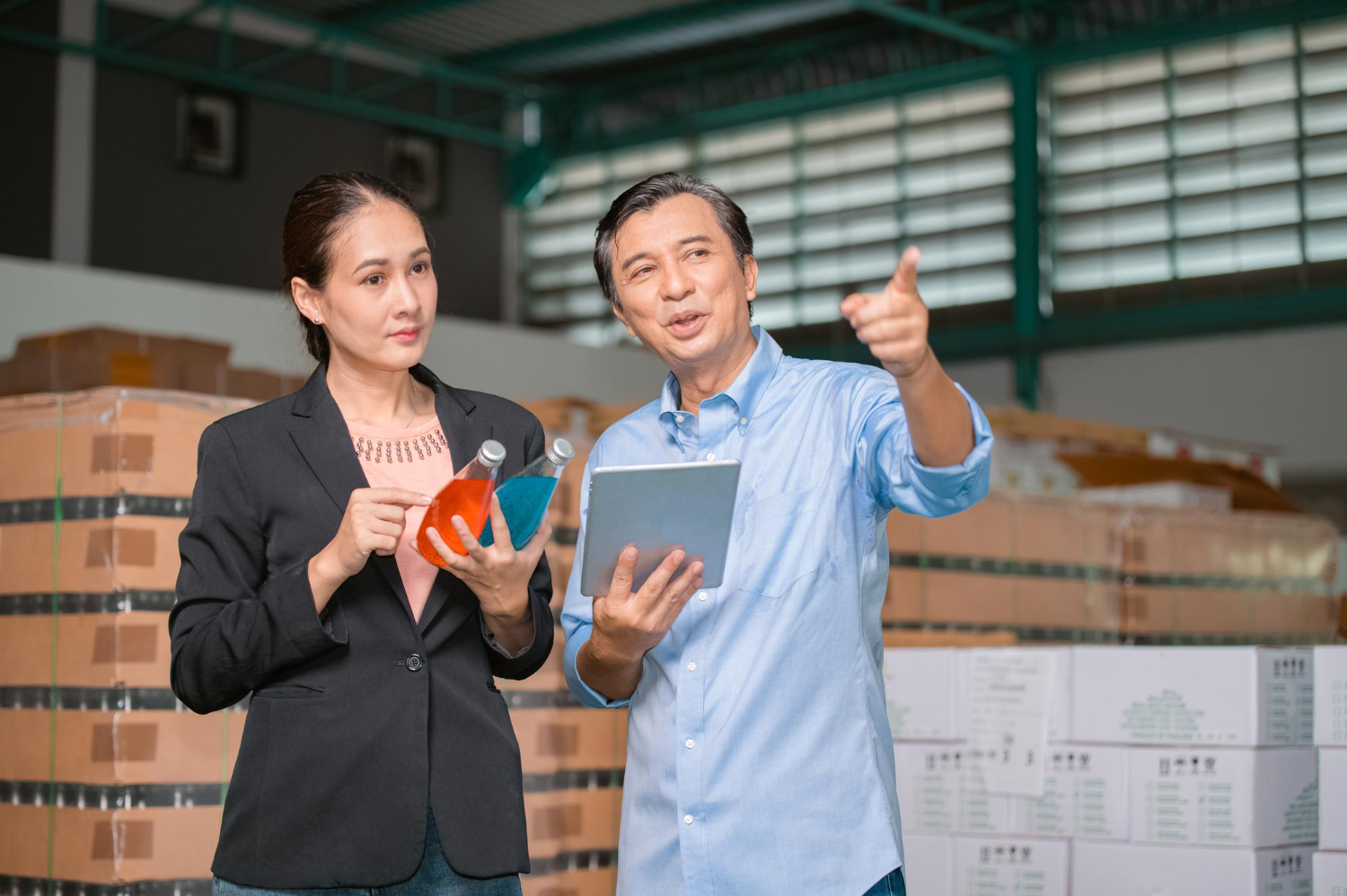
Sourcing products from China presents a huge opportunity for Australian businesses but also carries significant risks. In 2024, Chinese exports reached record levels, growing 7.1% year-on-year and increasing the number of factories and trading companies on global sourcing platforms.
But this growth has a downside. As demand increases, so does exposure to unreliable suppliers and counterfeit products. OECD estimates indicate that global trade in counterfeit goods reached approximately $467 billion in 2021.
This guide breaks the process down step by step, showing how to find suppliers in China, verify who you’re dealing with, and reduce risk before committing to production.
Compare and book FCL, LCL, or air freight shipments from China to Australia with Couriers & Freight.
Get a Quote NowFinding trustworthy factories or wholesalers in China works best when you follow a clear and structured workflow.
Shipping platforms like Couriers & Freight help compare shipping options from China to Australia once production is ready.
A reliable sourcing process starts with choosing the right platforms. Alibaba is commonly used by exporters selling to international buyers, but many listings come from trading companies rather than factories. As discussed in sourcing forums, this can result in higher prices unless you verify who you are dealing with. Global Sources and Made-in-China also target overseas buyers and offer verified manufacturer programs that make it easier to assess supplier track records by product category.
1688 targets the domestic Chinese market and often lists factory-level prices. However, most suppliers expect buyers to speak Mandarin or hire a local agent. This can make it challenging for first-time importers. Trade fairs such as the Canton Fair allow you to inspect samples in person and confirm production capabilities, while sourcing agents provide local support when you need access to specialised factories or introductions.
When shortlisting suppliers, prioritise consistency over volume. Look for a focused product range, evidence of export experience, valid business licences, and signs that the company operates a factory rather than a trading office.
Verified badges help narrow options, but should always be confirmed with direct questions.
China’s exports to Australia increased in 2024, attracting a wave of new suppliers to online marketplaces. That growth creates more choice, but it also raises the risk of unreliable listings. When you aim to find suppliers in China, apply structured filters, review catalogues carefully, compare materials, and check ownership details. The suppliers you shortlist here determine how smooth or costly the rest of the sourcing process becomes.
Before investing time or money, confirm that each supplier is legitimate. Due diligence at this stage helps you avoid pricing disputes, quality failures, and compliance issues later on.
Start with direct verification checks:
Due diligence is crucial. Around 2.3% of global imports are counterfeit, meaning importers face substantial financial and compliance risks if they skip verification steps. Running thorough checks before discussing pricing or samples significantly reduces those risks.
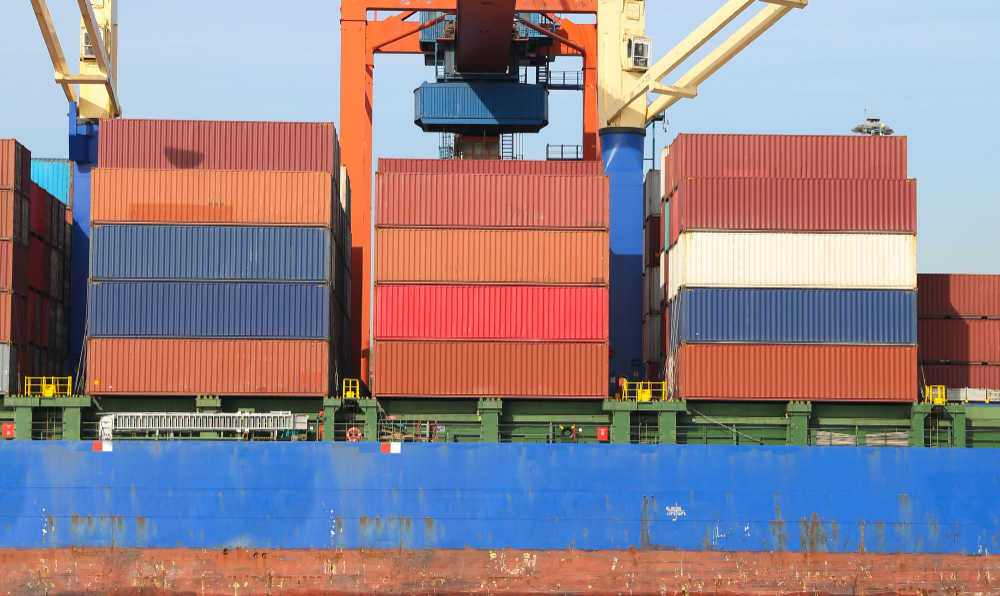
Once suppliers pass verification, request detailed quotes and compare them side by side. Unit prices are only part of the story. To avoid surprises, compare suppliers on minimum order quantity, lead times, tooling fees, packaging, customisation costs, and shipping terms before making decisions
When comparing suppliers, look at:
Raw material cost volatility continued to affect Chinese manufacturing throughout 2024, putting pressure on margins in several sectors. Clear, up-to-date quotes help you understand the true cost of production and reduce the risk of unexpected increases later in the process.
Use a simple comparison matrix or spreadsheet to evaluate multiple suppliers across the same criteria before moving on to sampling.
Ordering samples is the most important step before committing to full production. Once a supplier passes verification and pricing checks, request one or more samples so you can assess the product directly.
Review each sample in detail. Check materials, construction, finish, weight, size, colour, stitching or seams, and packaging. Measure components against your specifications and document the results. As a general guide, allow 1 to 2 millimetres tolerance for hard parts and 3 to 5 millimetres for textiles. Record all measurements and observations in a sample evaluation sheet for reference.
Be alert to issues commonly raised by other importers. Some suppliers substitute cheaper materials, weaken stitching, mix colours between batches, or deliver products that do not match approved drawings. These problems surface regularly. In Australia, 1,288 product recalls were recorded in 2024, with consumer goods recalls rising by nearly 15% in the second half of the year, highlighting how often defects slip through.
Once a sample is approved, treat it as the production standard. Any variation from that sample should be considered a defect. If the first sample does not meet requirements, request a revised sample before placing a bulk order.
Samples are typically shipped via international couriers or small air freight. Platforms like Couriers & Freight allow you to compare these shipping options and select the most suitable method for shipping samples from China to Australia.
Document every detail of your order before production begins. This includes exact measurements, materials, packaging requirements, labels, drawings, compliance standards, quantities, colour codes, branding, and any custom features. Clear documentation reduces the risk of errors later.
Build quality checks into the production timeline. Inspect the goods midway through manufacturing to confirm the supplier is following your specifications. Carry out a final inspection before paying the remaining balance to catch defects or inconsistencies.
Choose your shipping terms carefully. With Ex Works (EXW), you are responsible for collecting the goods from the factory and arranging international freight. With Free On Board (FOB), the supplier delivers the goods to the export port, after which the buyer takes over.
Structure payments in stages. A common approach is to pay a deposit before production, a second payment during manufacturing, and the final balance after inspection. Confirm all specifications and terms in writing. Many sourcing issues arise when instructions are implied rather than documented.
If you choose EXW, Couriers & Freight can arrange factory pickup and manage export procedures. For FOB orders, you can compare full container load (FCL), less-than-container load (LCL), and air freight options to match your delivery timeline.
Once your supplier confirms the goods are ready, the next step is organising international freight. Couriers & Freight allows you to compare sea freight, air freight, full container loads, and partial shipments so you can select the option that suits your delivery timeline and shipment size.
For Ex Works (EXW) orders, the platform can arrange pickup directly from the factory and manage export documentation. If your order includes multiple product types or smaller volumes, less-than-container load (LCL) services allow shipments to be consolidated while keeping goods separated and documented.
All shipments can be tracked in one dashboard, with access to freight documents and booking details throughout the journey. Once your supplier is confirmed, you can compare rates, book freight, and plan delivery from China to Australia based on your order requirements.
Compare and book FCL, LCL, or air freight shipments from China to Australia with Couriers & Freight.
Get a Quote Now


MHP

No Surcharge*

$16.50
$14
$15.50
$0
$15.50
$14.75
$0
$0
$0
$0
MHP Large Item
No Surcharge*
$16.50
$75
$62
$62
$60.10
$14.75
$0
$0
$0
$0
Residential Pickup
No Surcharge*
$6
$0
$9
--
$9
$10.60
$0
$0
$0
$38.50
Reidential pick up 30-99kgs
No Surcharge*
$63
$0
$9
$0
$9
$74.15
$20
Won't carry
Won't carry
$38.50
Residential pick up 100kgs+
No Surcharge*
$198
$0
$9
$0
$9
$158.87
$50
Won't carry
Won't carry
$38.50
Residential Delivery up to 29kgs
No Surcharge*
$6
$0
$9
--
$9.00
$10.60
$0
$0
$0
$38.50
Residential Delivery up 30-99kgs
No Surcharge*
$63
$0
$9
$0
$9
$74.15
$20
Won't carry
Won't carry
$38.50
Residential Delivery 100kgs+
No Surcharge*
$198
$0
$9
--
$9
$158.57
$50
Won't carry
Won't carry
$38.50
Tail Lift Pick up 50-99kgs Sydney / Melbourne
No Surcharge*
$45
$50-$250
$88
$88
$88
$44.07
$120
Won't carry
Won't carry
$61.50
Tail Lift Pick up 100-299kgs Sydney / Melbourne
No Surcharge*
$85
$50-$250
$88
$88
$88
$44.07
$120
Won't carry
Won't carry
$61.50
Tail Lift Pick up 300-499kgs Sydney / Melbourne
No Surcharge*
$120
$50-$250
$88
$88
$88
$44.07
$120
Won't carry
Won't carry
$61.50
Tail Lift Pick up 500kgs + Sydney / Melbourne
No Surcharge*
$250
$50-$250
$88
$88
$88
$44.07
$120
Won't carry
Won't carry
$61.50
Tail Lift Delivery 50-99kgs Sydney / Melbourne
No Surcharge*
$45
$50-$250
$88
$88
$88
$44.07
$120
Won't carry
Won't carry
$61.50
Tail Lift Delivery 100-299kgs Sydney / Melbourne
No Surcharge*
$85
$50-$250
$88
$88
$88
$44.07
$120
Won't carry
Won't carry
$61.50
Tail Lift Delivery300-499kgs Sydney / Melbourne
No Surcharge*
$120
$50-$250
$88
$88
$88
$44.07
$120
Won't carry
Won't carry
$61.50
Tail Lift Delivery 500kgs + Sydney / Melbourne
No Surcharge*
$250
$50-$250
$88
$88
$88
$44.07
$120
Won't carry
Won't carry
$61.50
Dead weight over 32KGS carton freight
No Surcharge*
$16.50
$75
$70
$70
$70
$14.75
$0
Won't carry
Won't carry
$0
Oversize Surcharge 1.20 - 1.54
No Surcharge*
--
$0
$0
$0
$0
$5.40
$10
$15
Won't carry
$0
Oversize Surcharge 1.55 - 1.85
No Surcharge*
$17
$20
$0
$0
$0
$11.93
$10
$15
Won't carry
$0
Oversize Surcharge 1.86 - 2.20
No Surcharge*
$37
$40
$0
$0
$0
$11.93
$10
Won't carry
Won't carry
$0
Pallet Surcharge
No Surcharge*
--
$0
$0
$0
$0
$0
$0
Won't carry
Won't carry
$0
Hand Unload Fee Carton
No Surcharge*
--
$0
$70
$70
$70
$47
$0
Won't carry
Won't carry
$61.50
Western Australia Regional Surcharge
No Surcharge*
%10
$0
$0
$0
$0
$0
$0
$0
$0
$0
*Surcharges may apply to areas/deimensions not listed
**Prices correct of 16th September 2024

Click to start shipping in less than 60 seconds