
🎄 Festive Rush - Deliveries might take a bit longer. We appreciate your patience.
Festive Period 2025
Cut-Off Times

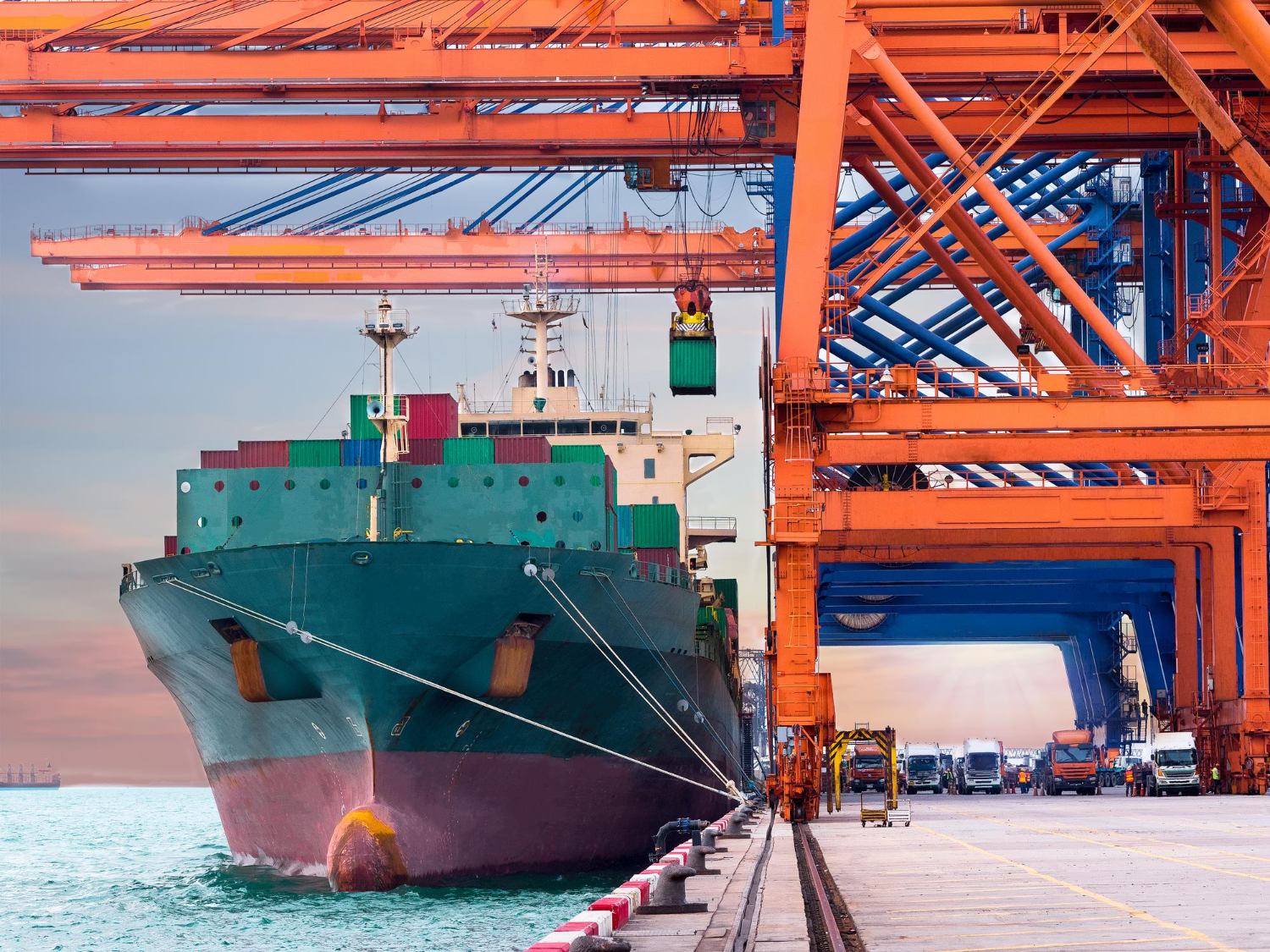
Peak season sea freight from China to Australia can quickly disrupt an importer’s plans. A shipment that should take three weeks from Shanghai may be held at port for days as vessel schedules slip and container space fills up. During these peak months, factories race to finish holiday orders. Ports such as Shanghai, Ningbo and Shenzhen face heavy backlogs, and carriers prioritise the highest-volume bookings first.
This article breaks down what delays to expect during peak season, why freight rates rise, and whether full or shared containers offer the best results for keeping stock moving into Australia.
Secure FCL or LCL space before peak-season delays start.
Get a Quote NowPeak season sea freight from China to Australia typically runs from September to January, covering Golden Week, the pre-Christmas shipping rush, and the lead-up to Chinese New Year. During these months, demand for containers surges across major Chinese ports such as Shanghai, Ningbo, and Shenzhen, which slows vessel schedules and increases the likelihood of congestion or rollovers.
Freight rates usually rise by 20–40% during peak season as carriers manage limited container supply and higher fuel and congestion surcharges. Most sea freight shipments take 18–30 days, though delays of 5–10 additional days are common when vessel space is restricted or ports face backlogs.
Importers should secure bookings three to four weeks ahead for FCL and even earlier for LCL to reduce the risk of delays. Couriers & Freight allows businesses to compare FCL and LCL options across multiple carriers, helping importers lock in capacity before schedules fill.
Peak season sea freight from China to Australia is driven by a series of production peaks and holiday shutdowns that place significant pressure on export factories and major Chinese ports. Instead of a single surge, the season is a cycle of overlapping deadlines that push exporters, carriers, and importers to their limits.
In the weeks leading up to Golden Week, factories race to complete export orders before their short shutdown, creating a sharp rise in bookings and early congestion at ports such as Shanghai, Ningbo, and Shenzhen. This pressure intensifies through November and December, when global retailers replenish Christmas stock and container demand reaches its highest point of the year.
The strain continues into January and February, as manufacturers accelerate production ahead of Chinese New Year closures. When factories shut down, unfinished orders spill into the following month, and ports face a backlog of containers waiting to move once operations resume.
Goods commonly affected during these periods include electronics, apparel, small appliances, homewares, and seasonal products, all of which rely heavily on consistent production schedules and timely departure slots.
September: Factories increase output. Early freight rate rises begin.
October: Golden Week halts production and intensifies backlogs.
November–December: Christmas export peak. Booking competition is highest.
January–February: Pre–Chinese New Year rush, followed by factory shutdowns and rolling congestion into March.
According to 2024 data from Port Technology, container throughput at China’s major ports reached around 248.5 million TEUs (Twenty-Foot Equivalent Units) between January and September 2024, a 7.7% year-on-year increase.
Over the same period, Australian import volumes rose by approximately 4.8%, adding further pressure to vessel schedules and increasing waiting times at both origin and destination ports. This combination of production cycles, port workload and higher regional freight activity explains why peak season repeatedly causes congestion across the China–Australia trade lane.
When peak season begins, demand for containers rises faster than carriers can supply space. Ships fill earlier, booking windows shorten, and both Full Container Load (FCL) and Less Than Container Load (LCL) shipments compete for vessel slots. This imbalance pushes freight rates higher and creates delays across China’s busiest export hubs.
Freight prices climb as carriers add fuel, congestion and peak-season surcharges. FCL rates generally shift more predictably, but LCL pricing can vary widely because shared loads require extra handling, more consolidation stops and potentially longer routes through hubs like Hong Kong or Singapore.
Statistics from major freight indexes illustrate how conditions tightened in 2024. Freightos reported a 25% year-on-year increase on China–Australia routes during the busiest months, while capacity constraints continued through Q4.
Delays mirrored the price rises. Real-time congestion data showed:
These bottlenecks were amplified by rising regional freight activity. According to the Reserve Bank of Australia, higher global shipping costs in 2024 directly contributed to increased import prices, underscoring how peak-season congestion affects both businesses and the broader economy.
For importers, these trends highlight the need to track freight indexes, monitor port congestion data and secure bookings early to avoid the worst delays.
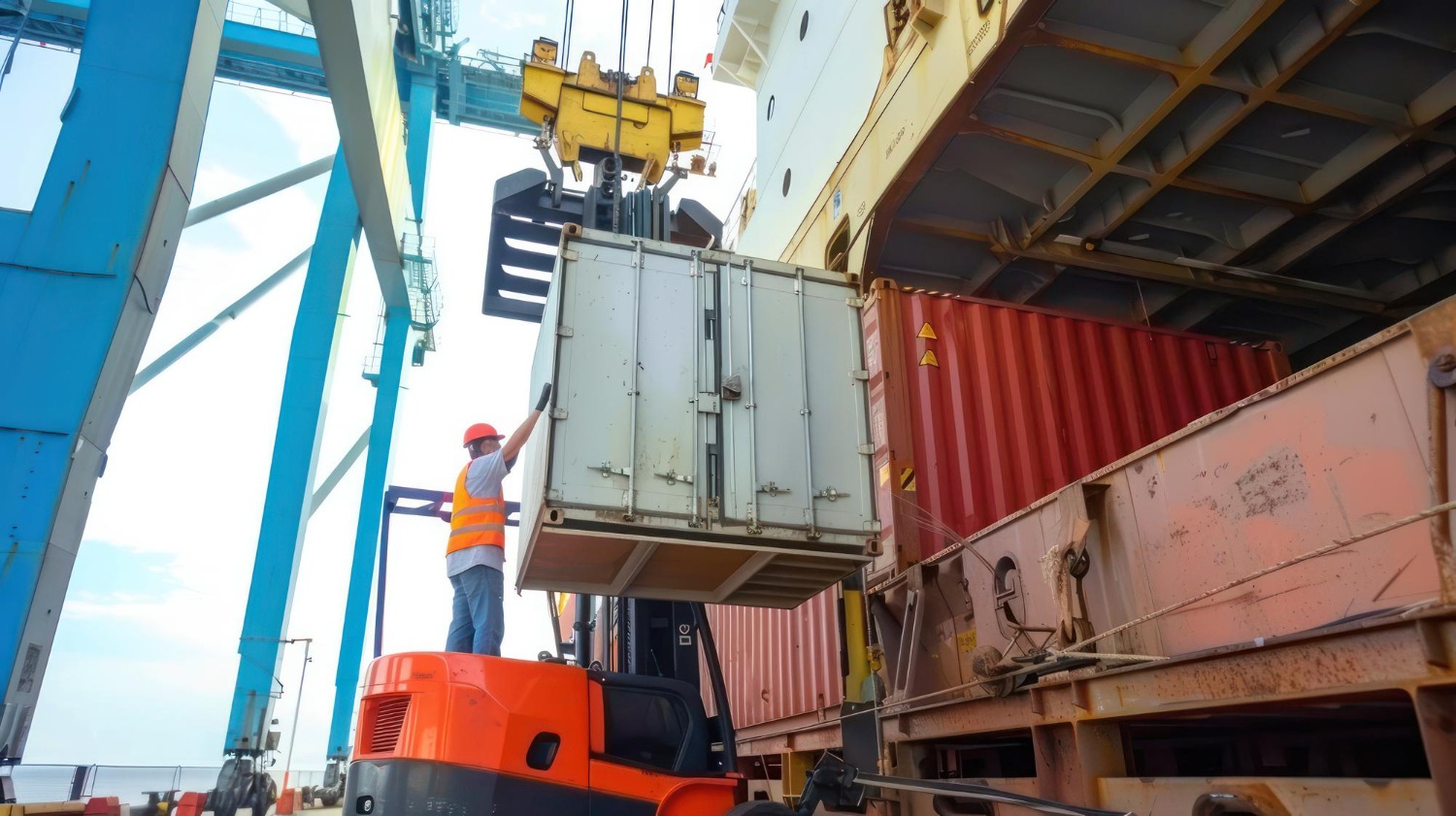
Rollovers become far more common during peak season because carriers routinely overbook sailings, vessels depart at full capacity, and ports prioritise containers based on cut-off times and carrier allocations. When congestion builds at major export hubs such as Shanghai, Ningbo or Shenzhen, containers that miss loading windows are pushed to the next available vessel.
An LCL shipment moving through Ningbo or a transhipment hub like Hong Kong or Singapore may face multiple rollovers, adding one to two weeks to final delivery.
Real-time updates on vessel schedules and port conditions help importers plan inventory, prepare for possible rollovers, and reduce the impact of peak-season congestion on stock availability.
Choosing between Full Container Load (FCL) and Less than Container Load (LCL) becomes more important during peak season because carriers tighten schedules, consolidation centres run at capacity and booking windows shorten across China’s major ports. Both options move freight from China to Australia reliably, but each responds differently to peak-season pressure.
FCL is generally the more predictable option. A full container moves directly from ports such as Shanghai, Ningbo or Qingdao to Australian gateways like Sydney or Melbourne, with fewer handovers and fewer chances of delay. Rates shift more steadily during peak months, and once space is secured, the container typically stays on the booked vessel.
LCL is more flexible for smaller shipments but is more exposed to seasonal disruption. Shared loads must pass through consolidation depots, often in Hong Kong or Singapore, and rely on multiple exporters completing their orders on time.
During the busiest months, importers with higher volumes typically rely on FCL for its consistency and simpler routing, while LCL remains a practical solution for smaller shipments that do not justify a full container. The right choice depends on cargo size, timing and how much exposure to peak-season disruptions a business can accommodate.
Planning ahead is the most effective way for importers to avoid congestion-related delays during peak season. Seven ways to prepare your business for peak-season freight:
Secure bookings ahead of Golden Week and Christmas demand, when carriers begin filling their earliest vessel slots and rate rises usually start.
Move items that drive revenue first so delays at ports like Shanghai or Ningbo don’t affect your most important product lines.
Splitting loads across Shanghai, Ningbo, Shenzhen or Qingdao reduces exposure to congestion at any single port and increases the chance of finding available space.
Peak-season pricing shifts quickly. Regularly checking updates helps you anticipate increases and budget accurately for FCL or LCL options.
Sending part of the shipment in an FCL container and the balance as LCL gives importers more flexibility when vessel space is tight or production schedules change.
In peak months, clearances can take longer. Having customs documentation finalised reduces the risk of hold-ups once the container reaches Australia.
Tracking tools and carrier advisories help you spot potential rollovers or port delays early and adjust stock planning before issues escalate.
Couriers & Freight brings these steps together by providing multi-carrier rate comparison, early booking visibility and real-time tracking- all essential during the highest-pressure period of the shipping year.
Couriers & Freight moves sea freight from China to Australia across major trade routes, giving importers access to reliable capacity during peak-season pressure. Shipments are handled from key Chinese export hubs including Shanghai, Ningbo, Shenzhen, Guangzhou and Qingdao, with delivery into Sydney, Melbourne, Brisbane and Fremantle. This coverage allows businesses to spread bookings across multiple ports when one location becomes congested.
The team manages 20ft, 40ft and 40ft high-cube containers, supporting both FCL and LCL shipments. Under normal conditions, most China–Australia routes take 18–30 days, depending on the carrier and departure port. During peak season, schedules may shift due to vessel space constraints or port backlogs, and Couriers & Freight’s real-time updates help importers see these changes early.
Book your sea freight from China to Australia today to secure space before peak season congestion begins.
Secure FCL or LCL space before peak-season delays start.
Get a Quote Now


MHP

No Surcharge*

$16.50
$14
$15.50
$0
$15.50
$14.75
$0
$0
$0
$0
MHP Large Item
No Surcharge*
$16.50
$75
$62
$62
$60.10
$14.75
$0
$0
$0
$0
Residential Pickup
No Surcharge*
$6
$0
$9
--
$9
$10.60
$0
$0
$0
$38.50
Reidential pick up 30-99kgs
No Surcharge*
$63
$0
$9
$0
$9
$74.15
$20
Won't carry
Won't carry
$38.50
Residential pick up 100kgs+
No Surcharge*
$198
$0
$9
$0
$9
$158.87
$50
Won't carry
Won't carry
$38.50
Residential Delivery up to 29kgs
No Surcharge*
$6
$0
$9
--
$9.00
$10.60
$0
$0
$0
$38.50
Residential Delivery up 30-99kgs
No Surcharge*
$63
$0
$9
$0
$9
$74.15
$20
Won't carry
Won't carry
$38.50
Residential Delivery 100kgs+
No Surcharge*
$198
$0
$9
--
$9
$158.57
$50
Won't carry
Won't carry
$38.50
Tail Lift Pick up 50-99kgs Sydney / Melbourne
No Surcharge*
$45
$50-$250
$88
$88
$88
$44.07
$120
Won't carry
Won't carry
$61.50
Tail Lift Pick up 100-299kgs Sydney / Melbourne
No Surcharge*
$85
$50-$250
$88
$88
$88
$44.07
$120
Won't carry
Won't carry
$61.50
Tail Lift Pick up 300-499kgs Sydney / Melbourne
No Surcharge*
$120
$50-$250
$88
$88
$88
$44.07
$120
Won't carry
Won't carry
$61.50
Tail Lift Pick up 500kgs + Sydney / Melbourne
No Surcharge*
$250
$50-$250
$88
$88
$88
$44.07
$120
Won't carry
Won't carry
$61.50
Tail Lift Delivery 50-99kgs Sydney / Melbourne
No Surcharge*
$45
$50-$250
$88
$88
$88
$44.07
$120
Won't carry
Won't carry
$61.50
Tail Lift Delivery 100-299kgs Sydney / Melbourne
No Surcharge*
$85
$50-$250
$88
$88
$88
$44.07
$120
Won't carry
Won't carry
$61.50
Tail Lift Delivery300-499kgs Sydney / Melbourne
No Surcharge*
$120
$50-$250
$88
$88
$88
$44.07
$120
Won't carry
Won't carry
$61.50
Tail Lift Delivery 500kgs + Sydney / Melbourne
No Surcharge*
$250
$50-$250
$88
$88
$88
$44.07
$120
Won't carry
Won't carry
$61.50
Dead weight over 32KGS carton freight
No Surcharge*
$16.50
$75
$70
$70
$70
$14.75
$0
Won't carry
Won't carry
$0
Oversize Surcharge 1.20 - 1.54
No Surcharge*
--
$0
$0
$0
$0
$5.40
$10
$15
Won't carry
$0
Oversize Surcharge 1.55 - 1.85
No Surcharge*
$17
$20
$0
$0
$0
$11.93
$10
$15
Won't carry
$0
Oversize Surcharge 1.86 - 2.20
No Surcharge*
$37
$40
$0
$0
$0
$11.93
$10
Won't carry
Won't carry
$0
Pallet Surcharge
No Surcharge*
--
$0
$0
$0
$0
$0
$0
Won't carry
Won't carry
$0
Hand Unload Fee Carton
No Surcharge*
--
$0
$70
$70
$70
$47
$0
Won't carry
Won't carry
$61.50
Western Australia Regional Surcharge
No Surcharge*
%10
$0
$0
$0
$0
$0
$0
$0
$0
$0
*Surcharges may apply to areas/deimensions not listed
**Prices correct of 16th September 2024

Click to start shipping in less than 60 seconds