
🎄 Festive Rush - Deliveries might take a bit longer. We appreciate your patience.
Festive Period 2025
Cut-Off Times


Australian importers and freight forwarders lodged more than 4.4 million customs clearance declarations in 2023-24, according to the Australian Border Force Annual Report. For many first-time importers, that process resulted in unexpected costs and delays.
Customs holds, unexpected duty charges, and storage fees are usually avoidable. Most occur because importers arrive without the correct documents or a clear understanding of how duty is calculated. This guide explains each stage so you can prepare your shipment correctly and avoid delays from the start.
Book your international freight and import customs clearance through Couriers & Freight before your goods leave the supplier.
Get a Quote NowIf you are preparing your first shipment, Couriers & Freight coordinates freight booking and import customs clearance in Australia through one platform.
The $1,000 threshold determines whether your shipment qualifies for simplified customs processing or requires a formal import declaration. For many first-time importers, this threshold directly affects landed costs, GST obligations, and the risk of customs delays once cargo arrives in Australia.
According to the ABF, goods with a customs value of $1,000 or less are generally exempt from duty, GST, and Import Processing Charges, except for alcohol and tobacco products.
These shipments are generally processed through a Self-Assessed Clearance (SAC) declaration lodged electronically by the carrier or freight forwarder. For many first-time importers ordering sample stock or low-volume test shipments, customs processing is handled automatically by the carrier once the goods arrive.
This threshold allows businesses importing low-value products from overseas suppliers to test products, compare suppliers, and estimate realistic landed costs before placing larger commercial orders.
Shipments valued above $1,000 require a formal Import Declaration N10 before goods can be released by the ABF. Importers must pay all applicable duties, GST, and Import Processing Charges before customs clearance is completed.
For most manufactured products, customs duty is typically calculated at 5% of the Free On Board (FOB) value, although the final rate depends on the applicable HS code classification under the Australian Customs Tariff.
Many first-time importers underestimate their total landed cost because GST is calculated not only on the goods value, but also on customs duty, international freight costs, and insurance costs associated with transporting the shipment into Australia.
GST on imported goods is calculated at 10% of the Value of Taxable Importation (VTI). The VTI includes the customs value of the goods, customs duty, freight costs, and insurance costs.
The ABF applies Import Processing Charges for electronically lodged Import Declarations. Charges vary based on shipment value and declaration type, so importers should confirm current rates directly with the ABF or a licensed customs broker before shipment arrival.
Most experienced importers lodge Import Declaration N10 forms three to five days before cargo arrives in Australia. Early lodgement reduces the risk of customs holds, port storage fees, and shipment delays after arrival.
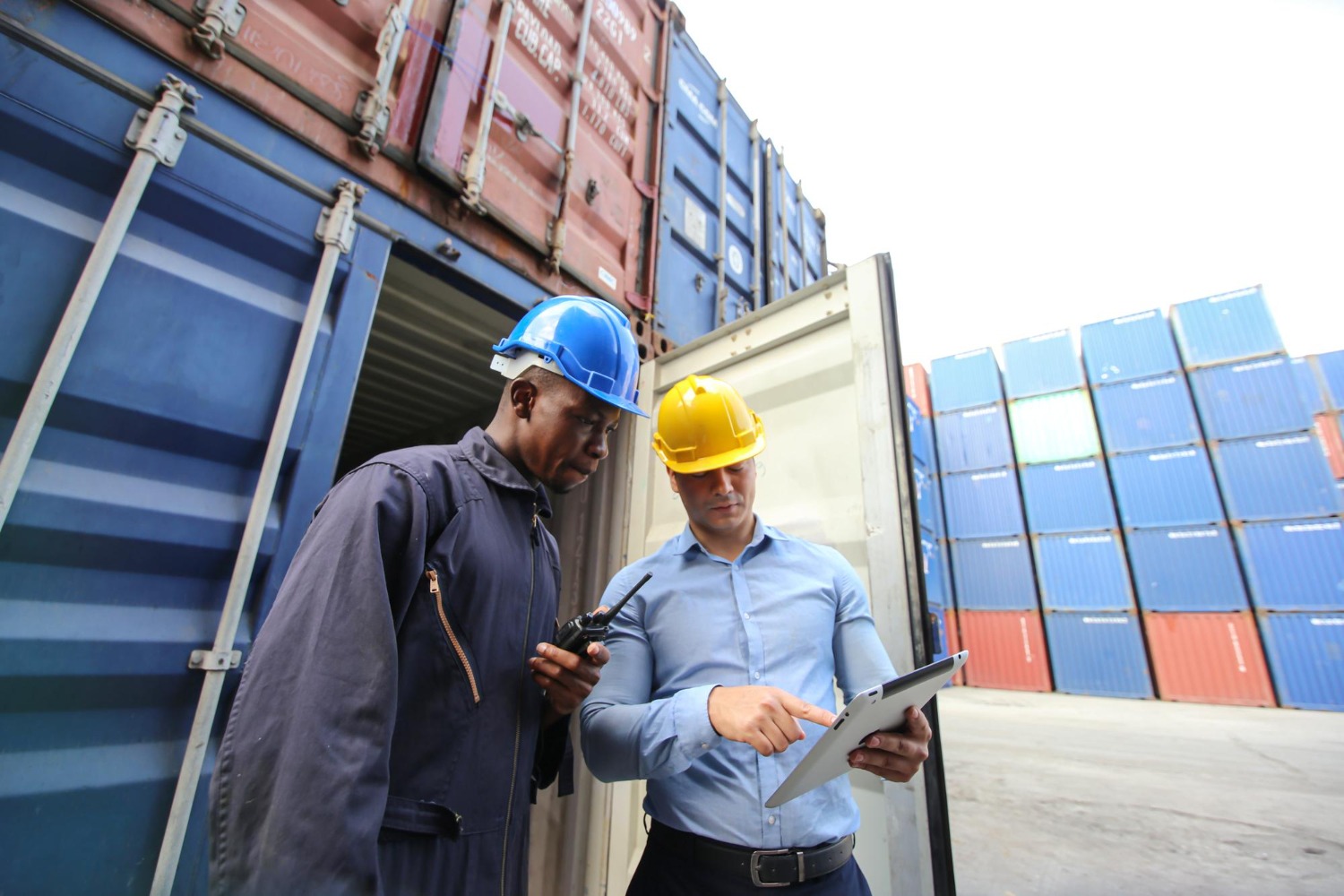
Documentation errors are one of the most common causes of customs clearance delays for importers. Incorrect cargo descriptions, inconsistent invoice values, and incomplete packing information frequently result in ABF queries and shipment holds.
The commercial invoice lists the buyer, seller, product description, transaction value, and payment terms. The ABF uses it to verify customs value and duty calculations. Even small invoice errors can delay customs release and increase storage costs while cargo remains under customs control.
This document details package quantities, weights, dimensions, and carton contents. Customs officers use it to confirm that the physical shipment matches the declared cargo information.
The bill of lading (BOL) identifies the carrier, consignee, shipment route, and cargo details. Customs officers use them to connect the physical shipment to the import declaration lodged in the Integrated Cargo System (ICS).
This DAFF biosecurity document confirms whether timber, straw, or other organic packing materials were used during shipment preparation. Missing or incomplete packing declarations commonly result in DAFF inspection holds on sea freight consignments arriving from Asian manufacturing markets.
At this stage, most first-time importers have a clear picture of their customs obligations and need to arrange the international shipment attached to their declaration.
Couriers & Freight gives importers access to international air freight and sea freight bookings, carrier comparison, shipment tracking, and customs clearance coordination. Importers sourcing from China, Vietnam, and other Asian markets can compare carrier rates, book their freight, and lodge their customs clearance through Couriers & Freight before cargo departs.
Get a quote to book your freight and customs clearance now.
Book your international freight and import customs clearance through Couriers & Freight before your goods leave the supplier.
Get a Quote Now


MHP

No Surcharge*

$16.50
$14
$15.50
$0
$15.50
$14.75
$0
$0
$0
$0
MHP Large Item
No Surcharge*
$16.50
$75
$62
$62
$60.10
$14.75
$0
$0
$0
$0
Residential Pickup
No Surcharge*
$6
$0
$9
--
$9
$10.60
$0
$0
$0
$38.50
Reidential pick up 30-99kgs
No Surcharge*
$63
$0
$9
$0
$9
$74.15
$20
Won't carry
Won't carry
$38.50
Residential pick up 100kgs+
No Surcharge*
$198
$0
$9
$0
$9
$158.87
$50
Won't carry
Won't carry
$38.50
Residential Delivery up to 29kgs
No Surcharge*
$6
$0
$9
--
$9.00
$10.60
$0
$0
$0
$38.50
Residential Delivery up 30-99kgs
No Surcharge*
$63
$0
$9
$0
$9
$74.15
$20
Won't carry
Won't carry
$38.50
Residential Delivery 100kgs+
No Surcharge*
$198
$0
$9
--
$9
$158.57
$50
Won't carry
Won't carry
$38.50
Tail Lift Pick up 50-99kgs Sydney / Melbourne
No Surcharge*
$45
$50-$250
$88
$88
$88
$44.07
$120
Won't carry
Won't carry
$61.50
Tail Lift Pick up 100-299kgs Sydney / Melbourne
No Surcharge*
$85
$50-$250
$88
$88
$88
$44.07
$120
Won't carry
Won't carry
$61.50
Tail Lift Pick up 300-499kgs Sydney / Melbourne
No Surcharge*
$120
$50-$250
$88
$88
$88
$44.07
$120
Won't carry
Won't carry
$61.50
Tail Lift Pick up 500kgs + Sydney / Melbourne
No Surcharge*
$250
$50-$250
$88
$88
$88
$44.07
$120
Won't carry
Won't carry
$61.50
Tail Lift Delivery 50-99kgs Sydney / Melbourne
No Surcharge*
$45
$50-$250
$88
$88
$88
$44.07
$120
Won't carry
Won't carry
$61.50
Tail Lift Delivery 100-299kgs Sydney / Melbourne
No Surcharge*
$85
$50-$250
$88
$88
$88
$44.07
$120
Won't carry
Won't carry
$61.50
Tail Lift Delivery300-499kgs Sydney / Melbourne
No Surcharge*
$120
$50-$250
$88
$88
$88
$44.07
$120
Won't carry
Won't carry
$61.50
Tail Lift Delivery 500kgs + Sydney / Melbourne
No Surcharge*
$250
$50-$250
$88
$88
$88
$44.07
$120
Won't carry
Won't carry
$61.50
Dead weight over 32KGS carton freight
No Surcharge*
$16.50
$75
$70
$70
$70
$14.75
$0
Won't carry
Won't carry
$0
Oversize Surcharge 1.20 - 1.54
No Surcharge*
--
$0
$0
$0
$0
$5.40
$10
$15
Won't carry
$0
Oversize Surcharge 1.55 - 1.85
No Surcharge*
$17
$20
$0
$0
$0
$11.93
$10
$15
Won't carry
$0
Oversize Surcharge 1.86 - 2.20
No Surcharge*
$37
$40
$0
$0
$0
$11.93
$10
Won't carry
Won't carry
$0
Pallet Surcharge
No Surcharge*
--
$0
$0
$0
$0
$0
$0
Won't carry
Won't carry
$0
Hand Unload Fee Carton
No Surcharge*
--
$0
$70
$70
$70
$47
$0
Won't carry
Won't carry
$61.50
Western Australia Regional Surcharge
No Surcharge*
%10
$0
$0
$0
$0
$0
$0
$0
$0
$0
*Surcharges may apply to areas/deimensions not listed
**Prices correct of 16th September 2024

Click to start shipping in less than 60 seconds