
🎄 Festive Rush - Deliveries might take a bit longer. We appreciate your patience.
Festive Period 2025
Cut-Off Times

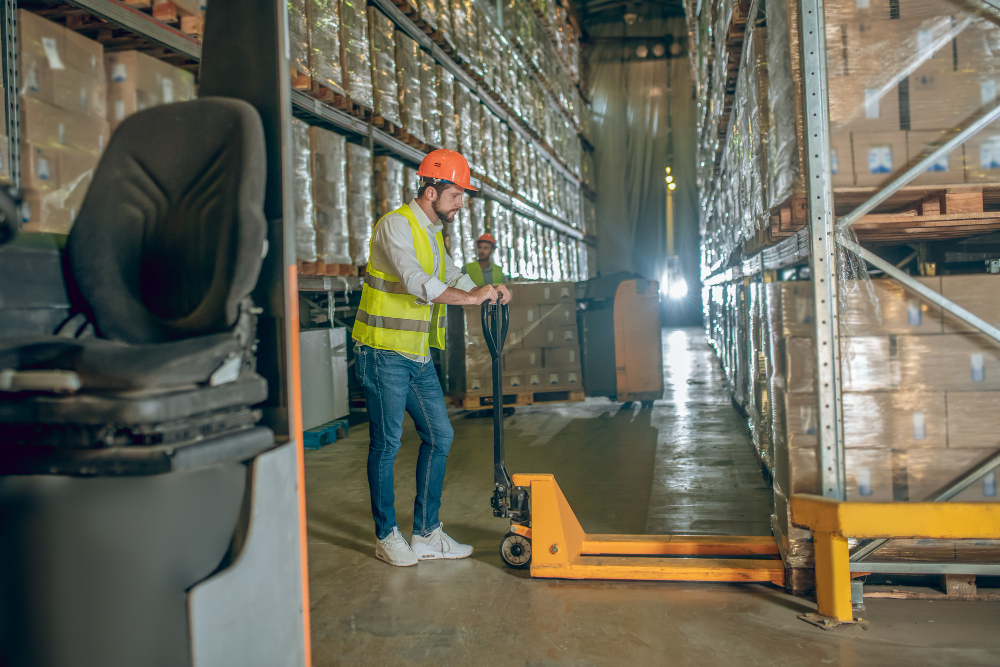
Container terminals in Brisbane, Sydney, Melbourne, Fremantle and Adelaide exchanged 9.1 million twenty-foot equivalent units (TEUs) in 2024-25, according to the Bureau of Infrastructure and Transport Research Economics (BITRE).
Within that volume, an Australian retailer buying from several suppliers pays for part-filled containers and extra storage days when it picks the wrong provider. Consolidation warehouse providers are third-party logistics (3PL) or freight forwarding businesses that group smaller shipments from several suppliers into one larger load, and not every provider handles this the same way.
This guide covers what to check before booking and how domestic and international options differ.
Consolidate inbound stock from several suppliers at one Australian facility with Couriers & Freight's warehouse and fulfilment service.
Get a Quote NowBefore booking consolidation warehouse providers, check these points:
Domestic consolidation brings freight from multiple suppliers into an Australian warehouse, where shipments can be received, stored and combined before local distribution. The provider receives and records each shipment, then groups the goods into a combined load for the required destination.
For example, a retailer receiving cartons from three suppliers on different days could have each delivery sent to the same warehouse. The warehouse receives and holds the stock until the scheduled dispatch, then sends it as one replenishment load to the retailer's required destination.
Consolidation warehouse providers within the Couriers & Freight carrier network include:
Storage space and collection frequency can affect cost. A freight benchmark report puts consolidated pallet freight at $21.80 to $26.90 per pallet within the same state. Distant-state routes run from $166.90 to $345.90 per pallet, before fuel surcharges.
Rates vary with distance and pallet dimensions. Access requirements and the service selected also affect the price, so request an itemised quote before booking.
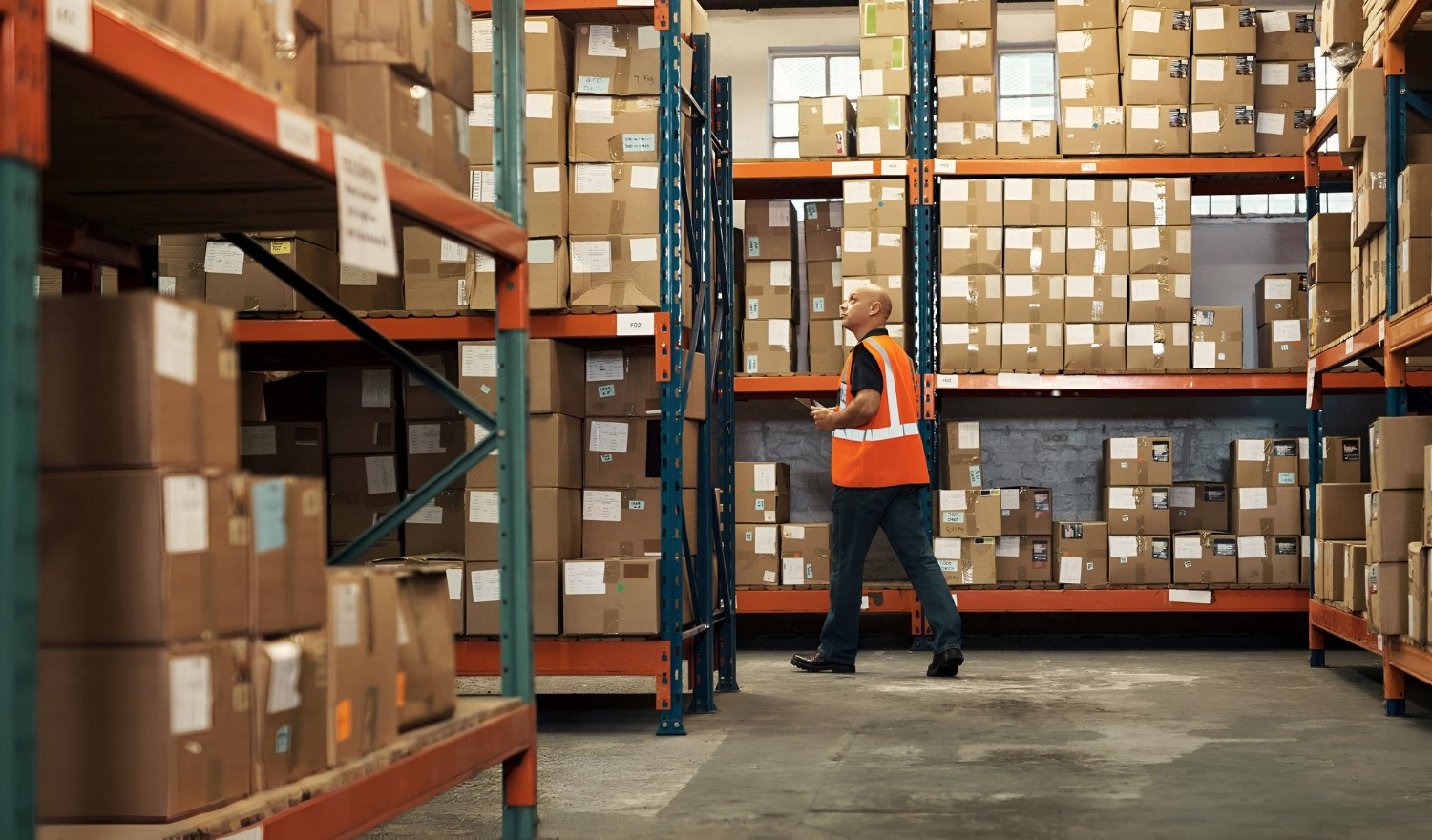
International consolidation warehouse providers group freight before it leaves the supplier's country.
A freight forwarder receives shipments from several overseas suppliers at an origin facility and combines them into one full container load (FCL) or less than container load (LCL) shipment bound for Australia.
This arrangement is best for businesses that source from several manufacturers in the same country or region.
For example, an Australian retailer buying stock from multiple suppliers in China can send those shipments to one origin warehouse. The warehouse combines the freight before departure. Each supplier's cartons then ship together, so the retailer avoids paying for a part-filled container per supplier.
The same retailer, consolidating seven China-based suppliers into one small LCL shipment, should confirm what the provider's fee structure covers and how many free storage days apply. Staggered supplier deliveries need a plan too, so cargo does not accrue storage charges beyond the free period.
Once suppliers are shortlisted, the next decision is where their freight gets grouped, either in Australia after arrival or overseas before departure. The table below compares the two options.
Supplier location usually determines where consolidation should occur, but shipment timing also matters. If several suppliers operate near one overseas facility, combining their freight before departure may be more practical. If goods arrive in Australia at different times and need to be held before distribution, a domestic warehouse may be a better fit.
Businesses consolidating shipments from several overseas suppliers before they reach Australia can arrange FCL or LCL sea freight through Couriers & Freight.
When comparing consolidation warehouse providers, ask how they handle arrivals, storage and delayed dispatches.
A clear answer states the minimum chargeable volume or pallet count and the charge that applies below it.
Look for a defined departure schedule. Ask what happens when freight arrives between departures and whether holding or handling charges apply before the next scheduled dispatch.
Confirm when storage charges begin, how long the free storage period lasts and what additional storage days cost.
A good provider has a set rule for late arrivals, such as holding the load or dispatching available cargo and consolidating the late shipment on the next departure.
An Australian e-commerce retailer receiving stock from several suppliers can use warehousing and fulfilment to bring those deliveries into one Australian facility. Each shipment can be received and held as it arrives, then consolidated for replenishment deliveries to retail partners or dispatched as customer orders are placed.
Couriers & Freight provides warehousing and fulfilment services, with access to more than 1 million square metres of warehousing space. Its carrier network also provides outbound transport options for businesses shipping stock after fulfilment.
Book warehousing and fulfilment with Couriers & Freight.
Consolidate inbound stock from several suppliers at one Australian facility with Couriers & Freight's warehouse and fulfilment service.
Get a Quote Now


MHP

No Surcharge*

$16.50
$14
$15.50
$0
$15.50
$14.75
$0
$0
$0
$0
MHP Large Item
No Surcharge*
$16.50
$75
$62
$62
$60.10
$14.75
$0
$0
$0
$0
Residential Pickup
No Surcharge*
$6
$0
$9
--
$9
$10.60
$0
$0
$0
$38.50
Reidential pick up 30-99kgs
No Surcharge*
$63
$0
$9
$0
$9
$74.15
$20
Won't carry
Won't carry
$38.50
Residential pick up 100kgs+
No Surcharge*
$198
$0
$9
$0
$9
$158.87
$50
Won't carry
Won't carry
$38.50
Residential Delivery up to 29kgs
No Surcharge*
$6
$0
$9
--
$9.00
$10.60
$0
$0
$0
$38.50
Residential Delivery up 30-99kgs
No Surcharge*
$63
$0
$9
$0
$9
$74.15
$20
Won't carry
Won't carry
$38.50
Residential Delivery 100kgs+
No Surcharge*
$198
$0
$9
--
$9
$158.57
$50
Won't carry
Won't carry
$38.50
Tail Lift Pick up 50-99kgs Sydney / Melbourne
No Surcharge*
$45
$50-$250
$88
$88
$88
$44.07
$120
Won't carry
Won't carry
$61.50
Tail Lift Pick up 100-299kgs Sydney / Melbourne
No Surcharge*
$85
$50-$250
$88
$88
$88
$44.07
$120
Won't carry
Won't carry
$61.50
Tail Lift Pick up 300-499kgs Sydney / Melbourne
No Surcharge*
$120
$50-$250
$88
$88
$88
$44.07
$120
Won't carry
Won't carry
$61.50
Tail Lift Pick up 500kgs + Sydney / Melbourne
No Surcharge*
$250
$50-$250
$88
$88
$88
$44.07
$120
Won't carry
Won't carry
$61.50
Tail Lift Delivery 50-99kgs Sydney / Melbourne
No Surcharge*
$45
$50-$250
$88
$88
$88
$44.07
$120
Won't carry
Won't carry
$61.50
Tail Lift Delivery 100-299kgs Sydney / Melbourne
No Surcharge*
$85
$50-$250
$88
$88
$88
$44.07
$120
Won't carry
Won't carry
$61.50
Tail Lift Delivery300-499kgs Sydney / Melbourne
No Surcharge*
$120
$50-$250
$88
$88
$88
$44.07
$120
Won't carry
Won't carry
$61.50
Tail Lift Delivery 500kgs + Sydney / Melbourne
No Surcharge*
$250
$50-$250
$88
$88
$88
$44.07
$120
Won't carry
Won't carry
$61.50
Dead weight over 32KGS carton freight
No Surcharge*
$16.50
$75
$70
$70
$70
$14.75
$0
Won't carry
Won't carry
$0
Oversize Surcharge 1.20 - 1.54
No Surcharge*
--
$0
$0
$0
$0
$5.40
$10
$15
Won't carry
$0
Oversize Surcharge 1.55 - 1.85
No Surcharge*
$17
$20
$0
$0
$0
$11.93
$10
$15
Won't carry
$0
Oversize Surcharge 1.86 - 2.20
No Surcharge*
$37
$40
$0
$0
$0
$11.93
$10
Won't carry
Won't carry
$0
Pallet Surcharge
No Surcharge*
--
$0
$0
$0
$0
$0
$0
Won't carry
Won't carry
$0
Hand Unload Fee Carton
No Surcharge*
--
$0
$70
$70
$70
$47
$0
Won't carry
Won't carry
$61.50
Western Australia Regional Surcharge
No Surcharge*
%10
$0
$0
$0
$0
$0
$0
$0
$0
$0
*Surcharges may apply to areas/deimensions not listed
**Prices correct of 16th September 2024

Click to start shipping in less than 60 seconds