
🎄 Festive Rush - Deliveries might take a bit longer. We appreciate your patience.
Festive Period 2025
Cut-Off Times

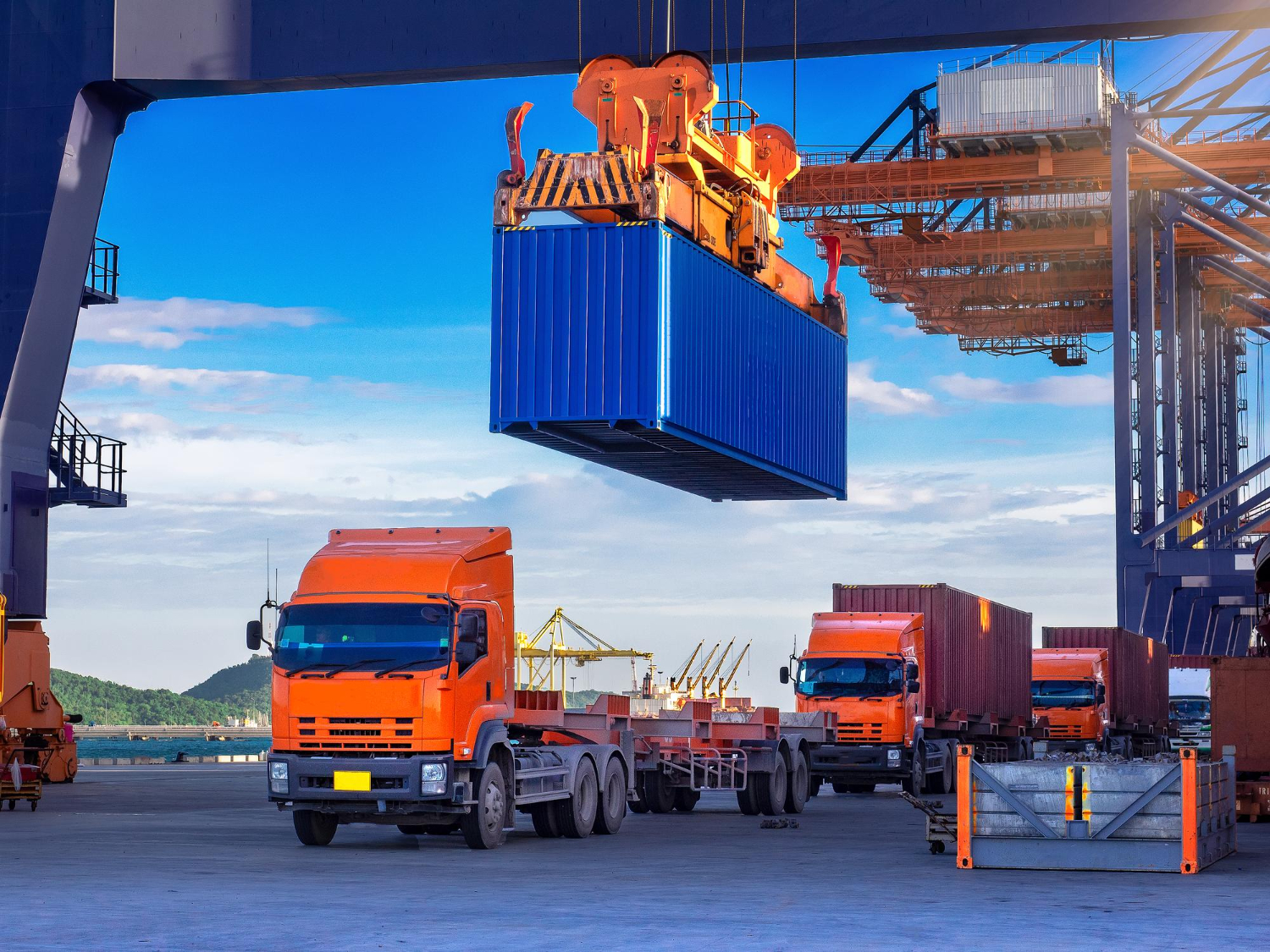
Rising freight costs have pushed many Australian importers to reassess whether freight forwarding or direct shipping gives them better value. In 2025, Australia’s freight forwarding market is worth an estimated $13.8 billion, growing more than 6% each year, as more businesses look for support with customs, consolidation, and multi-leg routes.
This article explains when freight forwarding is cheaper, when direct shipping makes more sense, and how each option impacts landed cost, paperwork, and reliability.
Compare freight forwarding and direct shipping rates in minutes with Couriers & Freight.
Get a Quote NowCompare forwarding and direct shipping rates in one platform through Couriers & Freight.
Freight forwarding involves a logistics provider arranging transport on behalf of importers and exporters. Forwarders book space with carriers, consolidate shipments, coordinate multi-supplier loads, and manage customs clearance and documentation. This helps importers reduce errors, meet port cut-off times, and manage international shipments through a single point of coordination.
For example, a Melbourne retailer importing electronics from Shenzhen may use a forwarder to combine several small shipments into one sea container. The forwarder handles bookings, paperwork, and delivery to the warehouse, reducing multiple supplier handovers and port charges.
Direct shipping means booking space directly with a shipping line, airline, or carrier without using a freight forwarder. Importers arrange full container loads (FCL) or palletised freight themselves, pay the carrier’s standard rates, and handle all customs documentation and compliance steps.
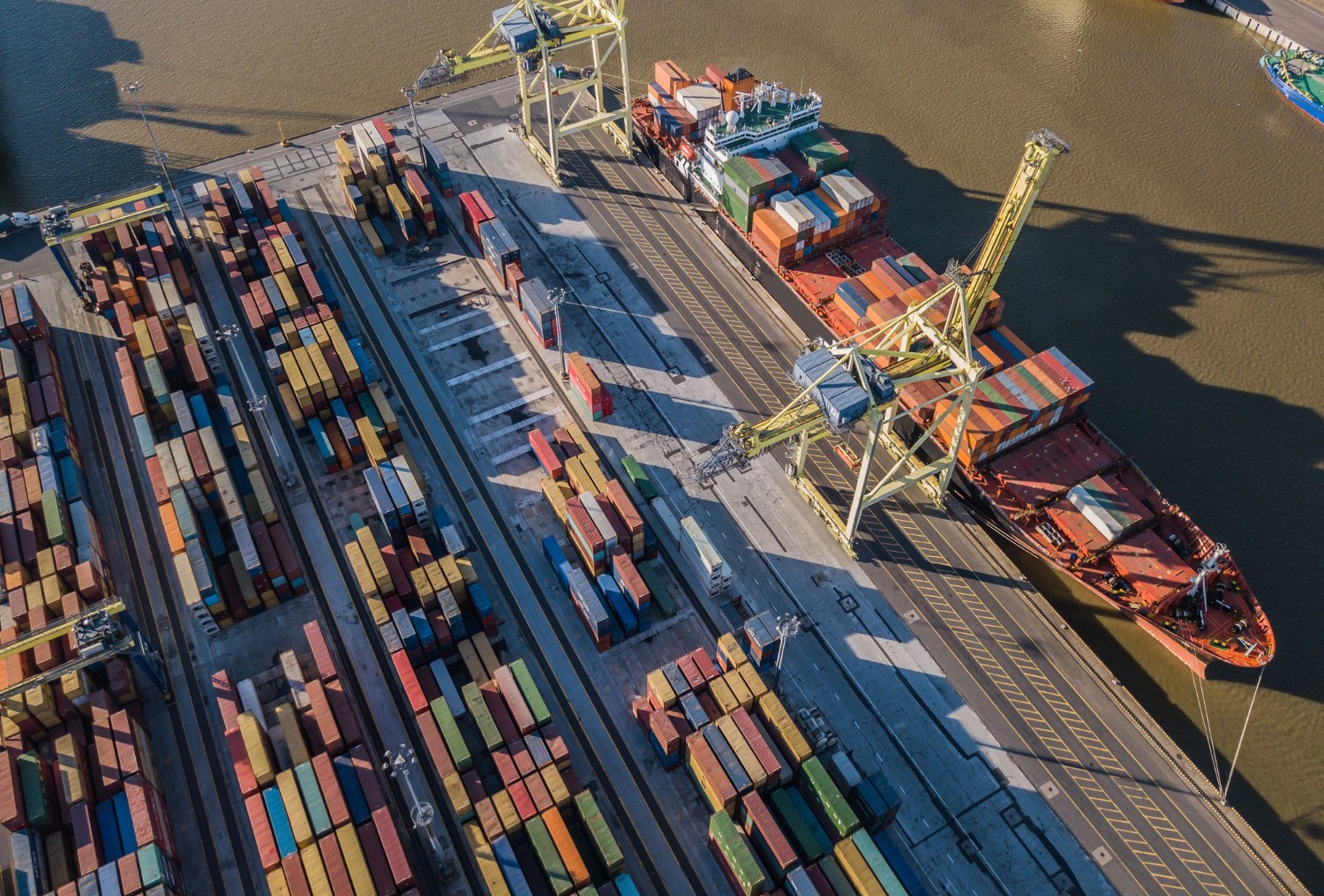
This approach suits businesses with predictable volumes, established internal processes, and the capacity to manage carrier cut-off times and customs requirements.
For example, a Sydney-based importer booking an FCL from Shanghai through Maersk may find direct shipping more cost-effective for large, repeated shipments with stable demand.
The table below outlines how each option differs across major cost components, from base rates to documentation and support.
Additional costs such as demurrage, detention, storage, and terminal handling charges can accumulate quickly when booking directly, particularly for small or irregular LCL shipments. According to the Freightos Baltic Index, LCL shipments from Asia to Australia averaged $450–$500 per m³ in 2024, while direct carrier bookings for similar volumes often exceeded $600 per m³.
Pro Tip: Overall, freight forwarding is typically more cost-effective for smaller or variable shipments, while direct shipping becomes more economical for consistent, high-volume FCL freight.
Freight forwarding is ideal when shipments involve multiple suppliers, complex routing, or detailed compliance requirements. Use a forwarder in situations where coordination, documentation, and timing become difficult to manage internally.
These situations often benefit from a forwarder’s ability to consolidate cargo, manage compliance, and reduce separate port or handling charges.
Direct shipping works best for businesses moving consistent volumes and managing their own customs and carrier processes. It suits importers with predictable freight patterns and the ability to meet carrier cut-off times without additional support.
According to Freightos, FCL bookings can reduce unit costs compared with LCL shipments because importers pay a flat container fee rather than incremental per-m³ charges.
Couriers & Freight provides a single dashboard where businesses can compare freight forwarding and direct carrier rates side by side. Users can review prices, transit times, routing options, and customs inclusions without needing to contact carriers individually.
For example, an e-commerce business can enter shipment details and view forwarding and direct shipping quotes side by side, including LCL, FCL, air freight, and sea freight options. This helps importers choose the most practical method for the load size, route, and delivery timeframe.
The platform also stores commercial invoices, packing lists, and booking details in one location and provides real-time container and parcel tracking. This reduces manual follow-ups with carriers and lowers the risk of missed cut-off times.
Explore and compare both forwarding and direct shipping options through Couriers & Freight.
Compare freight forwarding and direct shipping rates in minutes with Couriers & Freight.
Get a Quote Now


MHP

No Surcharge*

$16.50
$14
$15.50
$0
$15.50
$14.75
$0
$0
$0
$0
MHP Large Item
No Surcharge*
$16.50
$75
$62
$62
$60.10
$14.75
$0
$0
$0
$0
Residential Pickup
No Surcharge*
$6
$0
$9
--
$9
$10.60
$0
$0
$0
$38.50
Reidential pick up 30-99kgs
No Surcharge*
$63
$0
$9
$0
$9
$74.15
$20
Won't carry
Won't carry
$38.50
Residential pick up 100kgs+
No Surcharge*
$198
$0
$9
$0
$9
$158.87
$50
Won't carry
Won't carry
$38.50
Residential Delivery up to 29kgs
No Surcharge*
$6
$0
$9
--
$9.00
$10.60
$0
$0
$0
$38.50
Residential Delivery up 30-99kgs
No Surcharge*
$63
$0
$9
$0
$9
$74.15
$20
Won't carry
Won't carry
$38.50
Residential Delivery 100kgs+
No Surcharge*
$198
$0
$9
--
$9
$158.57
$50
Won't carry
Won't carry
$38.50
Tail Lift Pick up 50-99kgs Sydney / Melbourne
No Surcharge*
$45
$50-$250
$88
$88
$88
$44.07
$120
Won't carry
Won't carry
$61.50
Tail Lift Pick up 100-299kgs Sydney / Melbourne
No Surcharge*
$85
$50-$250
$88
$88
$88
$44.07
$120
Won't carry
Won't carry
$61.50
Tail Lift Pick up 300-499kgs Sydney / Melbourne
No Surcharge*
$120
$50-$250
$88
$88
$88
$44.07
$120
Won't carry
Won't carry
$61.50
Tail Lift Pick up 500kgs + Sydney / Melbourne
No Surcharge*
$250
$50-$250
$88
$88
$88
$44.07
$120
Won't carry
Won't carry
$61.50
Tail Lift Delivery 50-99kgs Sydney / Melbourne
No Surcharge*
$45
$50-$250
$88
$88
$88
$44.07
$120
Won't carry
Won't carry
$61.50
Tail Lift Delivery 100-299kgs Sydney / Melbourne
No Surcharge*
$85
$50-$250
$88
$88
$88
$44.07
$120
Won't carry
Won't carry
$61.50
Tail Lift Delivery300-499kgs Sydney / Melbourne
No Surcharge*
$120
$50-$250
$88
$88
$88
$44.07
$120
Won't carry
Won't carry
$61.50
Tail Lift Delivery 500kgs + Sydney / Melbourne
No Surcharge*
$250
$50-$250
$88
$88
$88
$44.07
$120
Won't carry
Won't carry
$61.50
Dead weight over 32KGS carton freight
No Surcharge*
$16.50
$75
$70
$70
$70
$14.75
$0
Won't carry
Won't carry
$0
Oversize Surcharge 1.20 - 1.54
No Surcharge*
--
$0
$0
$0
$0
$5.40
$10
$15
Won't carry
$0
Oversize Surcharge 1.55 - 1.85
No Surcharge*
$17
$20
$0
$0
$0
$11.93
$10
$15
Won't carry
$0
Oversize Surcharge 1.86 - 2.20
No Surcharge*
$37
$40
$0
$0
$0
$11.93
$10
Won't carry
Won't carry
$0
Pallet Surcharge
No Surcharge*
--
$0
$0
$0
$0
$0
$0
Won't carry
Won't carry
$0
Hand Unload Fee Carton
No Surcharge*
--
$0
$70
$70
$70
$47
$0
Won't carry
Won't carry
$61.50
Western Australia Regional Surcharge
No Surcharge*
%10
$0
$0
$0
$0
$0
$0
$0
$0
$0
*Surcharges may apply to areas/deimensions not listed
**Prices correct of 16th September 2024

Click to start shipping in less than 60 seconds