
🎄 Festive Rush - Deliveries might take a bit longer. We appreciate your patience.
Festive Period 2025
Cut-Off Times

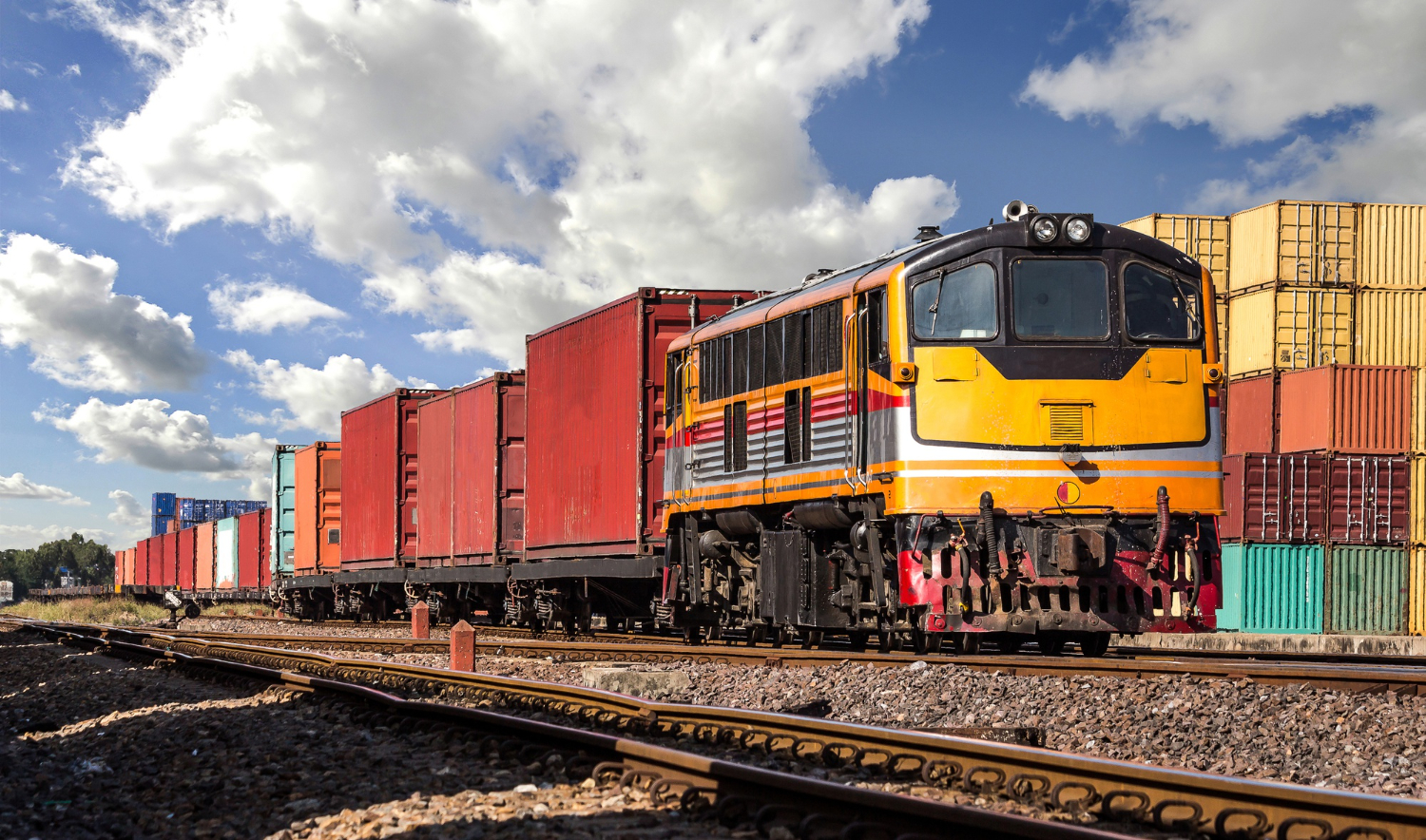
Many businesses shipping rail freight from Perth to Adelaide see goods depart from Western Australia on schedule, only for deliveries to stall during the final handover. In other cases, network congestion after heavy weather or line disruptions adds days to an otherwise straightforward interstate move.
These scenarios are common on long-distance east-to-west routes and show how rail freight performance breaks down when terminal coordination or scheduling is overlooked. For companies moving goods between Perth and Adelaide, understanding how the rail process works in practice is essential for managing transit expectations and avoiding preventable delays.
Move palletised or containerised freight between Perth and Adelaide by rail with Couriers & Freight.
Get a Quote NowIf you need help coordinating pickup, rail bookings, or delivery at either end, you can compare available rail options or request a quote through Couriers & Freight.
The Perth to Adelaide corridor is one of Australia’s busiest interstate freight routes. Growing pressure on road networks, stricter driver fatigue regulations, and rising fuel costs have led many businesses to rely on rail for scheduled, long-haul freight. In 2023–24, Australia moved 447.9 billion tonne-kilometres of rail freight, reinforcing rail’s ongoing role in national supply chains.
This route supports a wide mix of industries across Western Australia and South Australia. Common rail freight includes palletised FMCG, mining equipment and supplies, packaged food and beverages, building materials, automotive parts, consumer goods, industrial packaging, and raw materials. These freight types suit rail because of their weight, volume, and compatibility with palletised or containerised loading, making the Perth to Adelaide lane a practical option for repeatable interstate distribution.
Confirm that the freight can move by rail. Palletised and containerised goods that meet standard height, weight, and packaging requirements are suitable. Exclude freight that requires refrigeration, specialised handling, or packaging not approved for rail transport.
Record accurate pallet dimensions and verified weights before booking. Incorrect measurements often cause delays or rejections at rail terminals, especially for freight close to maximum height or weight limits.
Stabilise freight using palletising, shrink-wrap, strapping, or timber bracing. Heavy or irregular items may require custom crating or additional restraints to prevent load shift during long-distance transit.
Deliver freight to the nominated rail terminal before the carrier’s cutoff time. Businesses without suitable vehicles or equipment can arrange carrier pickup or tail-lift collection from warehouses, industrial sites, or port facilities.
Secure a confirmed departure date and service type (general or express). Check any restrictions related to dangerous goods, oversized pallets, or non-standard freight before finalising the booking.
Track the shipment during transit and stay alert to service updates. Allow for potential delays caused by network congestion, planned maintenance, or seasonal demand peaks.
Organise final-mile delivery or depot collection ahead of arrival. Confirm access requirements at the destination to avoid storage charges or missed collection windows.
Inspect freight on arrival, note any damage or discrepancies on delivery paperwork, and retain transport documents for compliance or claims purposes.
Couriers & Freight can coordinate pickup, rail bookings, and final-mile delivery across this process to help businesses manage terminal handovers and scheduling requirements on the Perth to Adelaide corridor.
Rail freight services between Perth and Adelaide operate on scheduled departures, with service frequency and timing varying by carrier, terminal availability, and freight type. Most general rail services run several times per week, while express rail options offer faster transit on selected departure days.
Timings vary depending on terminal cut-off windows, loading schedules, network congestion, and seasonal demand. Late delivery to the terminal or non-compliant freight can also push shipments onto the next available service. Use published schedules as a guide only, not as guaranteed delivery commitments.
The primary rail freight hub for Perth–Adelaide movements is the Kewdale Intermodal Terminal, located at 23 Miles Road, Kewdale, WA 6105. Freight must arrive within the carrier’s booked time slot and meet loading and packaging requirements before acceptance. Palletised and containerised freight is standard, with strict limits applied to height, weight, and stability.
Businesses without suitable vehicles or loading equipment can arrange tail-lift pickup or carrier-managed delivery to the terminal. Confirm terminal cut-off times and documentation requirements in advance to avoid missed departures or rebooking onto later services.
Interstate rail freight arriving in South Australia typically clears through Regency Park Intermodal Terminal or other ACFS-managed facilities, depending on the carrier and service type. These sites handle unloading, container deconsolidation, and preparation for onward delivery.
Consignees must organise collection or final-mile delivery ahead of arrival, including confirming access times and required paperwork. Where needed, Couriers & Freight can coordinate terminal collection and delivery into Adelaide metro areas or nearby regional locations, ensuring freight moves promptly from the rail network to its final destination.
Rail freight costs on the Perth to Adelaide corridor vary based on freight characteristics and service requirements rather than fixed price lists. Pricing typically depends on the number of pallets or containers, total weight and cubic volume, whether the shipment moves as a pallet load, less-than-container load, or full container, and whether the freight carries any dangerous goods classification.
Additional cost factors include:
Rail freight pricing has followed broader national transport cost trends in recent years. Industry data indicates rail freight service prices increased at an average rate of around 2.1% per annum through 2024–25, reflecting rising operating and infrastructure costs.
For heavy, palletised, or containerised freight moving long distances, rail often becomes more cost-effective than road transport once terminal and linehaul efficiencies are considered. Rates fluctuate by carrier and schedule, so checking current pricing through Couriers & Freight allows businesses to compare live rail options based on cargo type, timing, and delivery requirements.
Most general rail freight services between Perth and Adelaide complete delivery within five to seven business days, depending on the carrier, service type, and terminal schedules. Express rail options can shorten door-to-door transit to around four to six business days when departure windows align.
Transit time is influenced by several operational factors. These include terminal loading and unloading windows, network congestion, scheduled track maintenance, and seasonal demand surges. Late delivery to the departure terminal or freight that requires rework due to incorrect sizing or packaging can also extend transit.
By comparison, long-haul road freight over the same distance typically takes six to nine business days, with greater exposure to driver fatigue limits, traffic conditions, and fuel-related cost variability.
For businesses moving heavy or high-volume freight, rail offers a more structured transit window with fewer en-route variables to manage.
Several interstate rail operators service the Perth–Adelaide corridor, providing scheduled linehaul for palletised and containerised freight. Among the established carriers operating on this route are CTI Logistics and Sadleirs, both of which run regular east–west freight movements linking Western Australia and South Australia.
CTI Logistics operates interstate rail services that support pallet freight, industrial equipment, mining supplies, and general merchandise, with integrated road transport used for pickup and final-mile delivery.
Sadleirs runs daily rail services in and out of Western Australia. They support full and part container loads, and integrate rail capacity with road-haul for last-mile delivery.
Couriers & Freight works across multiple rail carriers on this lane, including CTI Logistics and Sadleirs, selecting services based on freight type, departure schedules, and delivery requirements. This multi-carrier access allows businesses to compare options and align rail bookings with their operational priorities rather than relying on a single provider.
Businesses shipping between Perth and Adelaide often need more than a rail booking alone. Access to the Kewdale terminal, compliant palletising, confirmed departure windows, and coordinated delivery in Adelaide all affect whether freight moves on schedule.
Couriers & Freight arranges pickup from your site, prepares freight to meet rail requirements, books linehaul with interstate rail carriers, and coordinates delivery or depot collection in Adelaide. Services are matched to your freight type, timing, and destination rather than a single fixed carrier.
Compare rail options or request a quote to move freight from Perth to Adelaide by rail with a single point of coordination.
Move palletised or containerised freight between Perth and Adelaide by rail with Couriers & Freight.
Get a Quote Now


MHP

No Surcharge*

$16.50
$14
$15.50
$0
$15.50
$14.75
$0
$0
$0
$0
MHP Large Item
No Surcharge*
$16.50
$75
$62
$62
$60.10
$14.75
$0
$0
$0
$0
Residential Pickup
No Surcharge*
$6
$0
$9
--
$9
$10.60
$0
$0
$0
$38.50
Reidential pick up 30-99kgs
No Surcharge*
$63
$0
$9
$0
$9
$74.15
$20
Won't carry
Won't carry
$38.50
Residential pick up 100kgs+
No Surcharge*
$198
$0
$9
$0
$9
$158.87
$50
Won't carry
Won't carry
$38.50
Residential Delivery up to 29kgs
No Surcharge*
$6
$0
$9
--
$9.00
$10.60
$0
$0
$0
$38.50
Residential Delivery up 30-99kgs
No Surcharge*
$63
$0
$9
$0
$9
$74.15
$20
Won't carry
Won't carry
$38.50
Residential Delivery 100kgs+
No Surcharge*
$198
$0
$9
--
$9
$158.57
$50
Won't carry
Won't carry
$38.50
Tail Lift Pick up 50-99kgs Sydney / Melbourne
No Surcharge*
$45
$50-$250
$88
$88
$88
$44.07
$120
Won't carry
Won't carry
$61.50
Tail Lift Pick up 100-299kgs Sydney / Melbourne
No Surcharge*
$85
$50-$250
$88
$88
$88
$44.07
$120
Won't carry
Won't carry
$61.50
Tail Lift Pick up 300-499kgs Sydney / Melbourne
No Surcharge*
$120
$50-$250
$88
$88
$88
$44.07
$120
Won't carry
Won't carry
$61.50
Tail Lift Pick up 500kgs + Sydney / Melbourne
No Surcharge*
$250
$50-$250
$88
$88
$88
$44.07
$120
Won't carry
Won't carry
$61.50
Tail Lift Delivery 50-99kgs Sydney / Melbourne
No Surcharge*
$45
$50-$250
$88
$88
$88
$44.07
$120
Won't carry
Won't carry
$61.50
Tail Lift Delivery 100-299kgs Sydney / Melbourne
No Surcharge*
$85
$50-$250
$88
$88
$88
$44.07
$120
Won't carry
Won't carry
$61.50
Tail Lift Delivery300-499kgs Sydney / Melbourne
No Surcharge*
$120
$50-$250
$88
$88
$88
$44.07
$120
Won't carry
Won't carry
$61.50
Tail Lift Delivery 500kgs + Sydney / Melbourne
No Surcharge*
$250
$50-$250
$88
$88
$88
$44.07
$120
Won't carry
Won't carry
$61.50
Dead weight over 32KGS carton freight
No Surcharge*
$16.50
$75
$70
$70
$70
$14.75
$0
Won't carry
Won't carry
$0
Oversize Surcharge 1.20 - 1.54
No Surcharge*
--
$0
$0
$0
$0
$5.40
$10
$15
Won't carry
$0
Oversize Surcharge 1.55 - 1.85
No Surcharge*
$17
$20
$0
$0
$0
$11.93
$10
$15
Won't carry
$0
Oversize Surcharge 1.86 - 2.20
No Surcharge*
$37
$40
$0
$0
$0
$11.93
$10
Won't carry
Won't carry
$0
Pallet Surcharge
No Surcharge*
--
$0
$0
$0
$0
$0
$0
Won't carry
Won't carry
$0
Hand Unload Fee Carton
No Surcharge*
--
$0
$70
$70
$70
$47
$0
Won't carry
Won't carry
$61.50
Western Australia Regional Surcharge
No Surcharge*
%10
$0
$0
$0
$0
$0
$0
$0
$0
$0
*Surcharges may apply to areas/deimensions not listed
**Prices correct of 16th September 2024

Click to start shipping in less than 60 seconds