
🎄 Festive Rush - Deliveries might take a bit longer. We appreciate your patience.
Festive Period 2025
Cut-Off Times

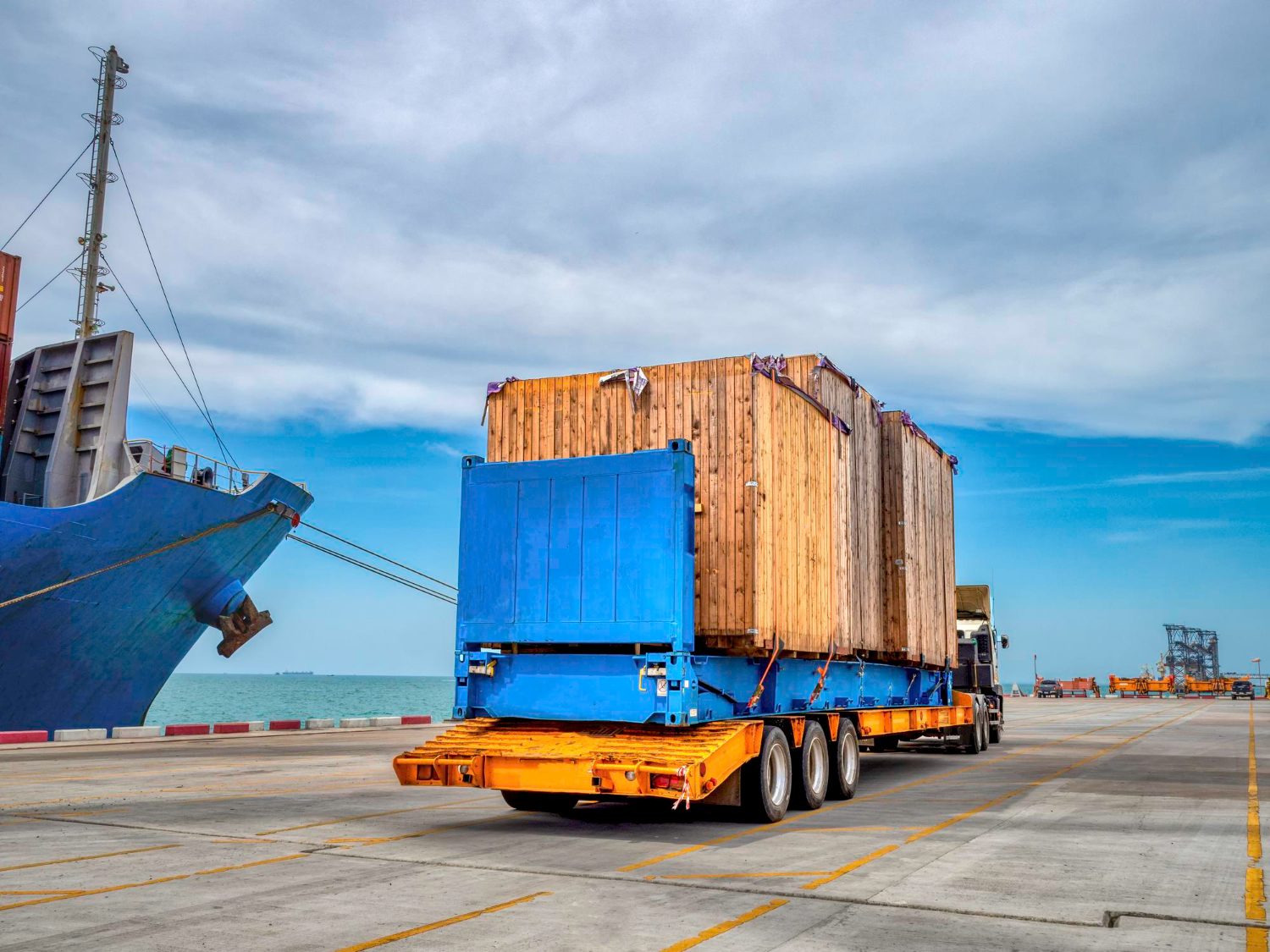
The National Heavy Vehicle Regulator (NHVR) processed 196,629 road access permit applications between 2024-25. Behind each one is an operator with a load that cannot legally travel on standard access, usually a machine or prefabricated structure that exceeds standard width, height or mass limits.
An oversize or overmass load may travel under a gazette notice or require an individual permit, depending on the vehicle, route and jurisdiction.
Confirm which regulator covers your route before you book the freight.
Couriers & Freight arranges road freight for oversized and bulky loads across Australia.
Get a Quote NowAn oversize or overmass (OSOM) vehicle or combination exceeds one or more of the mass or dimension limits set out in the Heavy Vehicle (Mass, Dimension and Loading) National Regulation. Depending on the vehicle type, load, and operating conditions, it may require access under a gazette notice or an individual permit before travelling.
Confirm these limits before any journey:
Couriers & Freight arranges road freight for oversized and bulky items across Australia through its Big & Bulky Delivery service.
Most Australian jurisdictions regulate oversized and overmass (OSOM) vehicles under the National Heavy Vehicle Law. NHVR processes access applications across participating jurisdictions, while Western Australia and the Northern Territory administer their own heavy-vehicle access arrangements.
A gazette notice is a standing approval that allows eligible Class 1 vehicles and loads to operate without submitting an individual permit application, provided they comply with the stated conditions, approved routes, vehicle limits, and travel requirements.
If a vehicle or load falls outside those conditions, operators must apply for an individual oversized load permit before travelling.
Western Australia does not participate in the NHVR access scheme. Operators travelling within or into Western Australia must apply through Main Roads Western Australia, even if the journey is covered by an NHVR permit elsewhere in Australia.
Processing times vary according to the complexity of the route, whether local road managers are involved, and whether the application qualifies under an existing gazette notice.
Planning an interstate shipment involves more than confirming whether a load is oversized. Each state applies its own access conditions, approved routes, and road manager requirements on top of the national framework, and one state's authority may have no jurisdiction at all in another.
In practice, two factors determine how complex the permit process becomes. The first is whether the route includes Western Australia, which operates outside the NHVR framework and requires a separate application through Main Roads WA.
The second is whether the load complies with a standing gazette notice or requires an individual permit because it exceeds the published conditions.
Routes crossing state borders or requiring individual assessment typically involve additional road manager approvals and longer processing times. Checking both factors before applying helps avoid unnecessary delays.
In New South Wales, a Class 1 oversize permit applies to eligible restricted-access vehicles carrying large, indivisible loads such as agricultural machinery, construction equipment, or prefabricated structures.
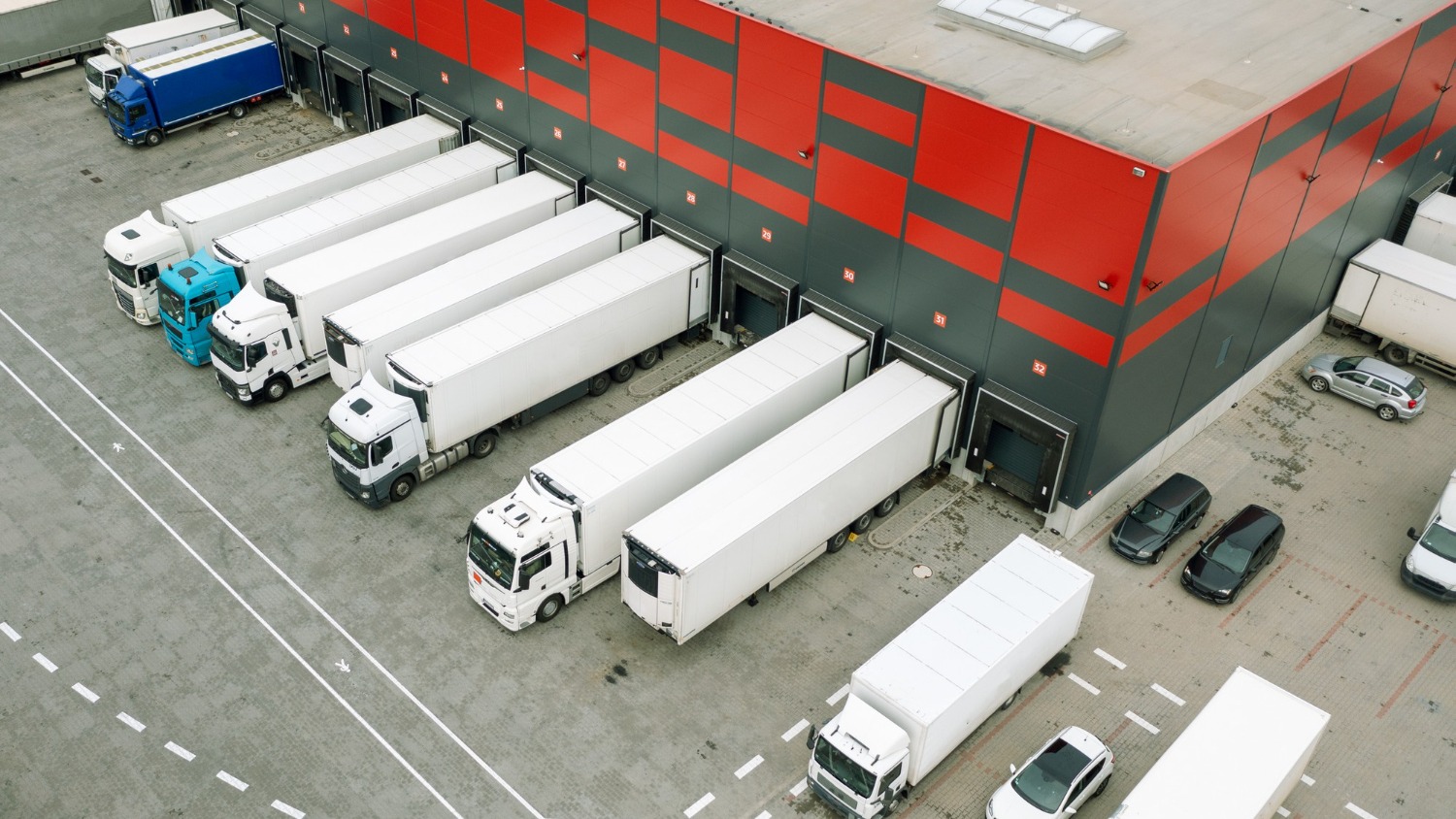
Many Class 1 movements can travel under an applicable NHVR gazette notice if the vehicle, load, route, and operating conditions comply with the published requirements.
If any of those conditions are exceeded, operators must apply for an individual Class 1 access permit before travelling.
For loads exceeding 3.0 metres in width, additional operating conditions may apply in New South Wales. Depending on the approved route and overall vehicle configuration, operators may need accredited pilot vehicles, specific travel times, or additional traffic management measures.
The applicable gazette notice or permit conditions, not the width measurement alone, determine these requirements.
Common Class 1 operating conditions in New South Wales include:
Before starting any journey, operators should confirm the approved route using the NHVR National Network Map, which identifies eligible roads, network restrictions, and access conditions for oversize and overmass vehicles.
Measure the vehicle and load, including width, height, length, axle spacings, and total mass.
Compare these figures with the current NHVR or relevant state thresholds to determine whether the journey qualifies under a gazette notice or requires an individual oversized load permit before transport begins.
Check whether the proposed journey meets the conditions of an existing Class 1 gazette notice or requires an individual access permit. Then identify the correct issuing authority for every jurisdiction on the route, noting that Western Australia administers its own oversize and overmass permit system through Main Roads WA.
Include the proposed route, vehicle dimensions, axle configuration, total mass, travel dates, and any supporting documents requested by the issuing authority. Processing times vary according to route complexity and consultation with road managers, so arrange any required pilot or escort vehicles while the application is being assessed to avoid unnecessary delays.
Once approval has been issued, confirm the authorised route using the NHVR National Network Map or the relevant state mapping tool before the journey begins. Verify that the approved route, operating conditions, and any temporary restrictions match the permit or gazette notice carried by the driver.
Once you have confirmed that your load exceeds standard legal dimensions, the next step is engaging a carrier that already works on the approved route and operating conditions attached to the permit.
Couriers & Freight does not issue oversized load permits. It arranges the road freight around them, matching your load to a carrier and vehicle rated for the dimensions. Then coordinating pickup against the permit's travel windows and pilot vehicle conditions.
Get a quote for your oversized shipment with Couriers & Freight.
Couriers & Freight arranges road freight for oversized and bulky loads across Australia.
Get a Quote Now


MHP

No Surcharge*

$16.50
$14
$15.50
$0
$15.50
$14.75
$0
$0
$0
$0
MHP Large Item
No Surcharge*
$16.50
$75
$62
$62
$60.10
$14.75
$0
$0
$0
$0
Residential Pickup
No Surcharge*
$6
$0
$9
--
$9
$10.60
$0
$0
$0
$38.50
Reidential pick up 30-99kgs
No Surcharge*
$63
$0
$9
$0
$9
$74.15
$20
Won't carry
Won't carry
$38.50
Residential pick up 100kgs+
No Surcharge*
$198
$0
$9
$0
$9
$158.87
$50
Won't carry
Won't carry
$38.50
Residential Delivery up to 29kgs
No Surcharge*
$6
$0
$9
--
$9.00
$10.60
$0
$0
$0
$38.50
Residential Delivery up 30-99kgs
No Surcharge*
$63
$0
$9
$0
$9
$74.15
$20
Won't carry
Won't carry
$38.50
Residential Delivery 100kgs+
No Surcharge*
$198
$0
$9
--
$9
$158.57
$50
Won't carry
Won't carry
$38.50
Tail Lift Pick up 50-99kgs Sydney / Melbourne
No Surcharge*
$45
$50-$250
$88
$88
$88
$44.07
$120
Won't carry
Won't carry
$61.50
Tail Lift Pick up 100-299kgs Sydney / Melbourne
No Surcharge*
$85
$50-$250
$88
$88
$88
$44.07
$120
Won't carry
Won't carry
$61.50
Tail Lift Pick up 300-499kgs Sydney / Melbourne
No Surcharge*
$120
$50-$250
$88
$88
$88
$44.07
$120
Won't carry
Won't carry
$61.50
Tail Lift Pick up 500kgs + Sydney / Melbourne
No Surcharge*
$250
$50-$250
$88
$88
$88
$44.07
$120
Won't carry
Won't carry
$61.50
Tail Lift Delivery 50-99kgs Sydney / Melbourne
No Surcharge*
$45
$50-$250
$88
$88
$88
$44.07
$120
Won't carry
Won't carry
$61.50
Tail Lift Delivery 100-299kgs Sydney / Melbourne
No Surcharge*
$85
$50-$250
$88
$88
$88
$44.07
$120
Won't carry
Won't carry
$61.50
Tail Lift Delivery300-499kgs Sydney / Melbourne
No Surcharge*
$120
$50-$250
$88
$88
$88
$44.07
$120
Won't carry
Won't carry
$61.50
Tail Lift Delivery 500kgs + Sydney / Melbourne
No Surcharge*
$250
$50-$250
$88
$88
$88
$44.07
$120
Won't carry
Won't carry
$61.50
Dead weight over 32KGS carton freight
No Surcharge*
$16.50
$75
$70
$70
$70
$14.75
$0
Won't carry
Won't carry
$0
Oversize Surcharge 1.20 - 1.54
No Surcharge*
--
$0
$0
$0
$0
$5.40
$10
$15
Won't carry
$0
Oversize Surcharge 1.55 - 1.85
No Surcharge*
$17
$20
$0
$0
$0
$11.93
$10
$15
Won't carry
$0
Oversize Surcharge 1.86 - 2.20
No Surcharge*
$37
$40
$0
$0
$0
$11.93
$10
Won't carry
Won't carry
$0
Pallet Surcharge
No Surcharge*
--
$0
$0
$0
$0
$0
$0
Won't carry
Won't carry
$0
Hand Unload Fee Carton
No Surcharge*
--
$0
$70
$70
$70
$47
$0
Won't carry
Won't carry
$61.50
Western Australia Regional Surcharge
No Surcharge*
%10
$0
$0
$0
$0
$0
$0
$0
$0
$0
*Surcharges may apply to areas/deimensions not listed
**Prices correct of 16th September 2024

Click to start shipping in less than 60 seconds