
🎄 Festive Rush - Deliveries might take a bit longer. We appreciate your patience.
Festive Period 2025
Cut-Off Times

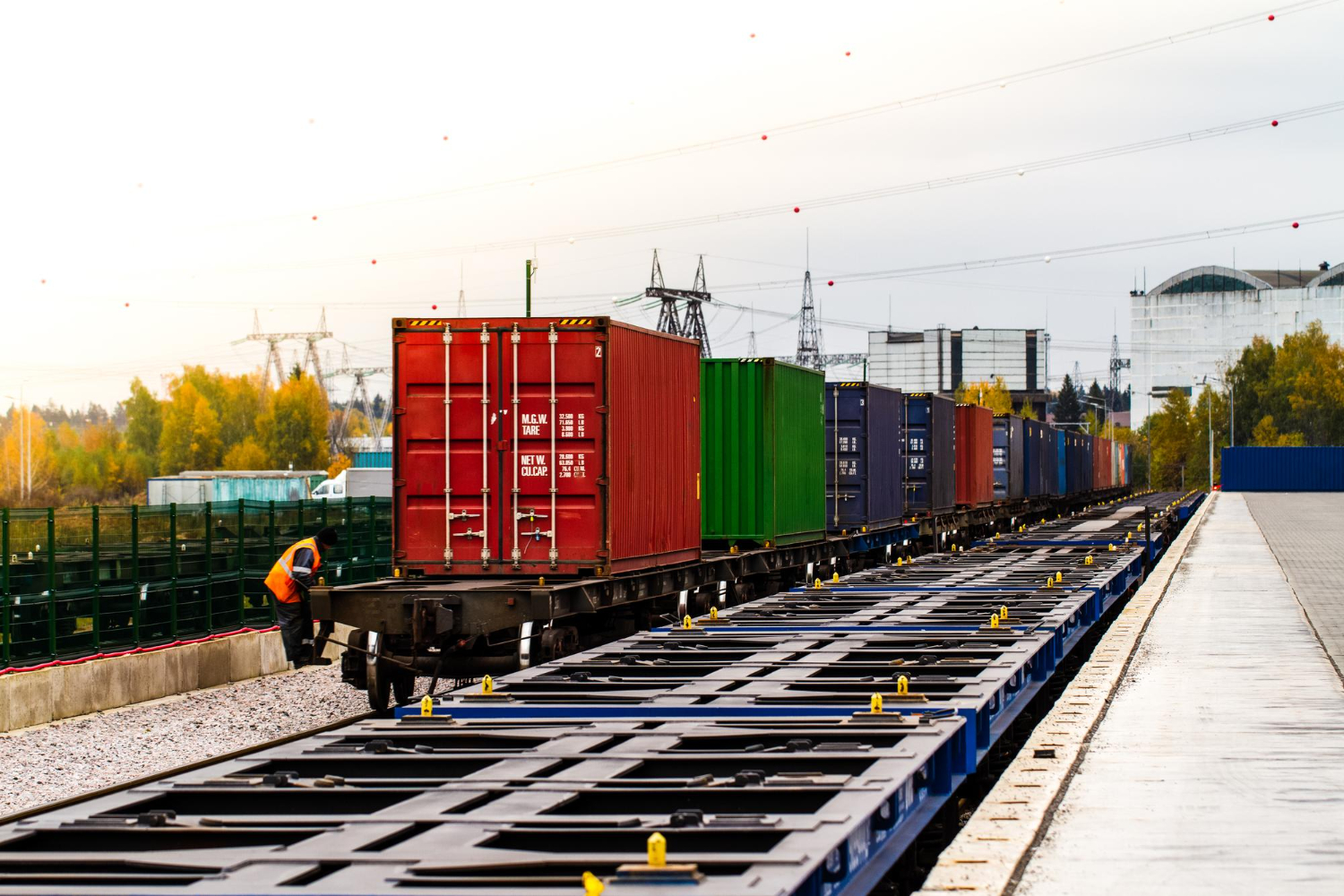
Interstate rail freight is a major transport mode for businesses moving large volumes across Australia, especially as long-distance transport costs continue to rise. Rail already carries a substantial share of national freight. BITRE reports it moved 447.9 billion tonne-kilometres in 2023–24, far exceeding road transport.
With driver shortages, rising fuel surcharges and congestion affecting road transport reliability, more businesses are turning to rail for predictable long-haul deliveries. This article explains how interstate rail freight works, its key advantages, major routes, and how to request a quote through Couriers & Freight.
Compare carriers, check transit times and secure the best interstate rail freight option for your business.
Get a Rail Freight QuoteIn Australia, interstate rail freight refers to the movement of palletised, bulk or containerised consignments between states using the national rail network. Freight moves between major intermodal terminals and typically links with road transport for pickup at origin and final delivery at destination.
This mode of transport is well-suited to long-distance or high-volume shipments where rail offers more predictable costs and capacity than sending multiple trucks. It supports goods such as machinery, retail pallets, raw materials and full container loads.
The Australian Rail Track Corporation (ARTC) manages most interstate corridors and continues upgrading major east and west, north and south routes to increase rail capacity and improve transit reliability for regular interstate freight movements.
If your business is assessing rail for interstate deliveries, Couriers & Freight can help you compare carriers and book the most suitable service.
Interstate rail freight in Australia follows a structured end-to-end process that connects local road transport with long-haul movement on the national rail network:
Freight is collected from a warehouse or site and moved by road to the nearest intermodal terminal. The time from pickup to the terminal varies depending on the distance from metro or regional areas.
Containers or pallets are transferred onto interstate freight trains. Major terminals include Dynon (VIC), Acacia Ridge (QLD), and Forrestfield (WA).
Freight travels along ARTC-managed interstate routes. In 2023–24, ARTC handled an average of 414 freight and passenger trains per day, with on-time performance above 90% on major corridors.
Goods are unloaded and prepared for delivery, often moved into holding areas before transfer to a delivery vehicle.
A road carrier completes the last leg of the journey from the terminal to the consignee’s site.
Here are five practical advantages of using interstate rail freight for bulk or long-haul shipments:
Rail can cut transport costs by up to 40% for high-volume, long-distance consignments. Savings grow as freight size and distance increase.
Trains operate on fixed timetables and avoid the congestion, driver shortages and unpredictable delays that increasingly affect long-distance road transport. ARTC reports on-time performance above 90% on major interstate corridors.
Rail produces far lower greenhouse emissions per tonne-kilometre than trucks and reduces overall fuel dependency for long-haul transport. A 2024 ABC analysis found that shifting 1% of national freight from road to rail would reduce accident, emission and health costs by $71.9 million annually.
A single train can move hundreds of pallets or multiple containers, reducing the number of separate truck movements and lowering per-unit cost.
Rail infrastructure is designed for long haul, heavy loads, and controlled environments. The risk of damage or delays is lower than managing multiple trucks or numerous smaller loads. Using interstate rail freight supports consistent weekly departures and large-load scheduling.
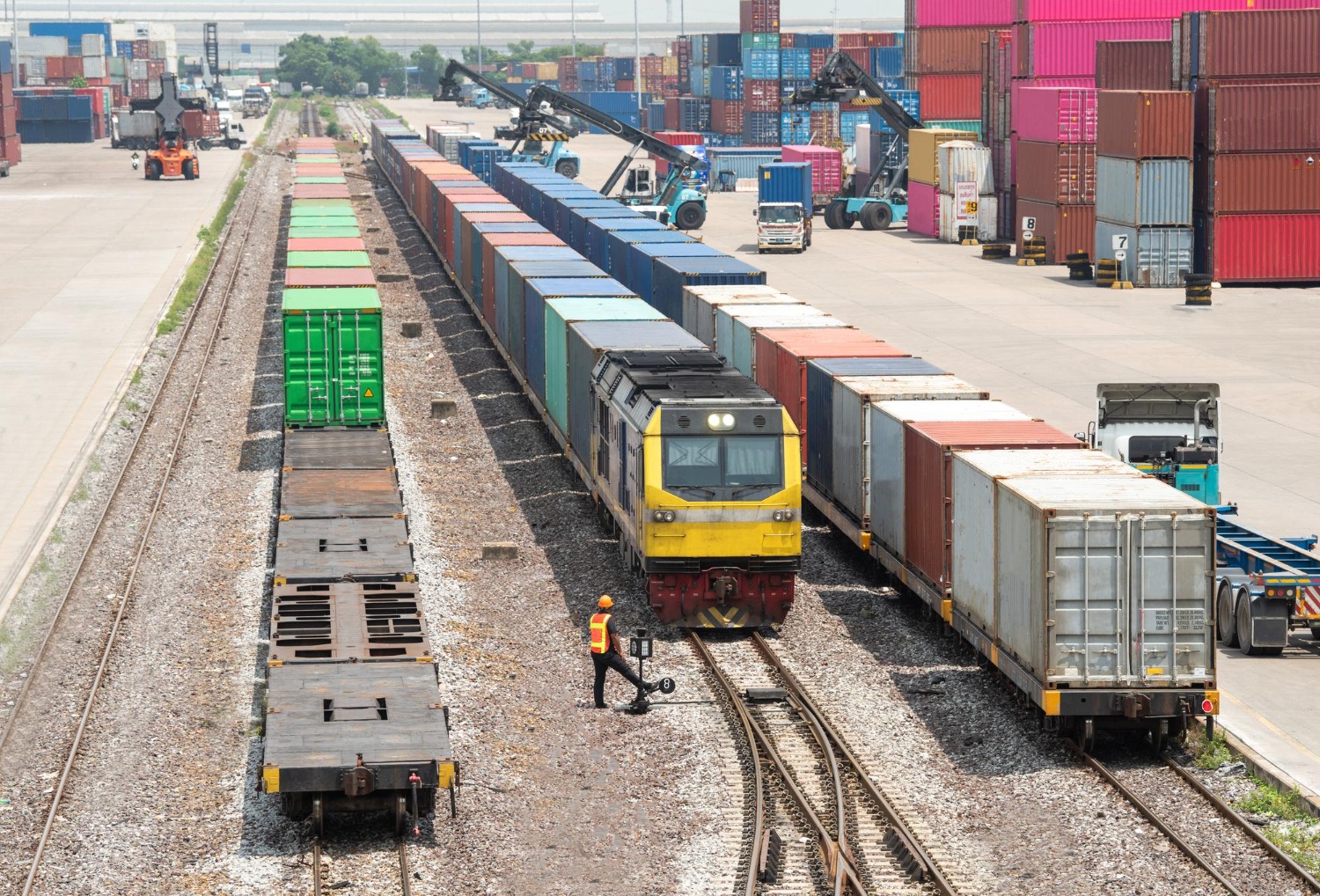
Australia’s interstate rail network is anchored by several major corridors that handle most long-distance freight volumes and form the backbone of national east, west, north and south movements. Below are key routes with indicative transit times and common freight types:
These corridors form the backbone of ARTC’s east–west and north–south network, supporting regular long-haul movements for businesses across manufacturing, retail and industrial sectors. The ongoing Inland Rail project between Melbourne and Brisbane is expected to shorten transit times further once operational, offering additional capacity for future freight growth.
Couriers & Freight connects businesses to several major rail freight providers through its booking platform. These carriers offer different levels of interstate coverage, intermodal capability and containerised freight handling.
CTI Logistics provides intermodal and containerised freight services on eastern and southern corridors, linking Melbourne, Sydney and Brisbane with regional terminals. Their network is suited to businesses moving palletised or bulk freight into or out of Western Australia.
Toll Group Rail Freight operates national interstate rail schedules with strong intermodal integration across major ports and capital cities. Their services support palletised, floor-loaded and containerised freight for high-volume, long-distance movements.
Sadleirs Rail Freight runs interstate services with regular departures between major cities, focusing on palletised and containerised freight. Their east–west capability supports businesses shipping bulk or high-volume loads across longer distances.
KTI provides intermodal freight services across Victoria, South Australia and Western Australia. Their operations combine rail with linehaul road transport, offering consistent capacity for larger consignments.
If your business moves palletised or containerised freight between states, you can request a rail freight quote through the Couriers & Freight platform. The system shows current pricing, estimated transit times and available carriers for your route, helping you compare options before booking.
Request a quote today to view interstate rail rates, check schedules and plan your next shipment with Couriers & Freight.
Compare carriers, check transit times and secure the best interstate rail freight option for your business.
Get a Rail Freight Quote


MHP

No Surcharge*

$16.50
$14
$15.50
$0
$15.50
$14.75
$0
$0
$0
$0
MHP Large Item
No Surcharge*
$16.50
$75
$62
$62
$60.10
$14.75
$0
$0
$0
$0
Residential Pickup
No Surcharge*
$6
$0
$9
--
$9
$10.60
$0
$0
$0
$38.50
Reidential pick up 30-99kgs
No Surcharge*
$63
$0
$9
$0
$9
$74.15
$20
Won't carry
Won't carry
$38.50
Residential pick up 100kgs+
No Surcharge*
$198
$0
$9
$0
$9
$158.87
$50
Won't carry
Won't carry
$38.50
Residential Delivery up to 29kgs
No Surcharge*
$6
$0
$9
--
$9.00
$10.60
$0
$0
$0
$38.50
Residential Delivery up 30-99kgs
No Surcharge*
$63
$0
$9
$0
$9
$74.15
$20
Won't carry
Won't carry
$38.50
Residential Delivery 100kgs+
No Surcharge*
$198
$0
$9
--
$9
$158.57
$50
Won't carry
Won't carry
$38.50
Tail Lift Pick up 50-99kgs Sydney / Melbourne
No Surcharge*
$45
$50-$250
$88
$88
$88
$44.07
$120
Won't carry
Won't carry
$61.50
Tail Lift Pick up 100-299kgs Sydney / Melbourne
No Surcharge*
$85
$50-$250
$88
$88
$88
$44.07
$120
Won't carry
Won't carry
$61.50
Tail Lift Pick up 300-499kgs Sydney / Melbourne
No Surcharge*
$120
$50-$250
$88
$88
$88
$44.07
$120
Won't carry
Won't carry
$61.50
Tail Lift Pick up 500kgs + Sydney / Melbourne
No Surcharge*
$250
$50-$250
$88
$88
$88
$44.07
$120
Won't carry
Won't carry
$61.50
Tail Lift Delivery 50-99kgs Sydney / Melbourne
No Surcharge*
$45
$50-$250
$88
$88
$88
$44.07
$120
Won't carry
Won't carry
$61.50
Tail Lift Delivery 100-299kgs Sydney / Melbourne
No Surcharge*
$85
$50-$250
$88
$88
$88
$44.07
$120
Won't carry
Won't carry
$61.50
Tail Lift Delivery300-499kgs Sydney / Melbourne
No Surcharge*
$120
$50-$250
$88
$88
$88
$44.07
$120
Won't carry
Won't carry
$61.50
Tail Lift Delivery 500kgs + Sydney / Melbourne
No Surcharge*
$250
$50-$250
$88
$88
$88
$44.07
$120
Won't carry
Won't carry
$61.50
Dead weight over 32KGS carton freight
No Surcharge*
$16.50
$75
$70
$70
$70
$14.75
$0
Won't carry
Won't carry
$0
Oversize Surcharge 1.20 - 1.54
No Surcharge*
--
$0
$0
$0
$0
$5.40
$10
$15
Won't carry
$0
Oversize Surcharge 1.55 - 1.85
No Surcharge*
$17
$20
$0
$0
$0
$11.93
$10
$15
Won't carry
$0
Oversize Surcharge 1.86 - 2.20
No Surcharge*
$37
$40
$0
$0
$0
$11.93
$10
Won't carry
Won't carry
$0
Pallet Surcharge
No Surcharge*
--
$0
$0
$0
$0
$0
$0
Won't carry
Won't carry
$0
Hand Unload Fee Carton
No Surcharge*
--
$0
$70
$70
$70
$47
$0
Won't carry
Won't carry
$61.50
Western Australia Regional Surcharge
No Surcharge*
%10
$0
$0
$0
$0
$0
$0
$0
$0
$0
*Surcharges may apply to areas/deimensions not listed
**Prices correct of 16th September 2024

Click to start shipping in less than 60 seconds