
🎄 Festive Rush - Deliveries might take a bit longer. We appreciate your patience.
Festive Period 2025
Cut-Off Times

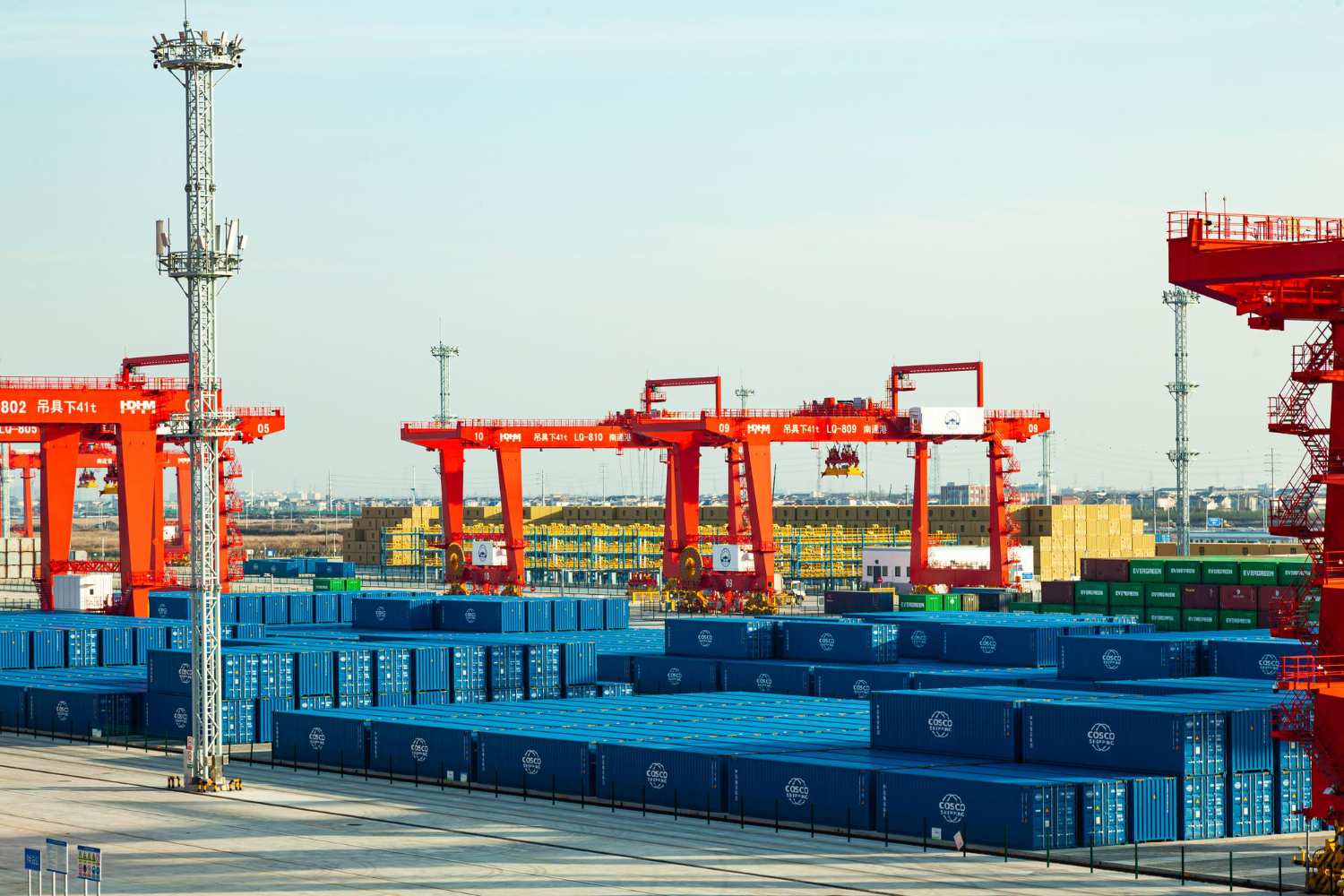
Australia Post recorded 7.6 million Australian households shopping online during the 2024 peak period, adding pressure to facilities that already struggle with turnaround. This pressure is pushing freight teams to decide fast. Either goods pass straight through to outbound transport, or they get held until an order is ready to ship.
Cross-docking and warehousing answer that decision differently, shaping dwell time, cost, and how a shipment finally reaches its destination. This article sets out the operational differences in plain terms, so you can match the right model to your own shipment pattern before speaking with a freight provider.
Transfer freight from inbound to outbound transport the same day through the Couriers & Freight network.
Get a Quote NowCouriers & Freight offers both cross-docking and warehousing services, allowing businesses to choose the model that best matches their shipment patterns.
Choosing between cross-docking and warehousing depends mainly on inventory dwell time, storage requirements and how much processing freight needs before dispatch.
Businesses with fast inventory turnover, short product shelf lives, or consistent order volumes often gain from transferring shipments straight between arriving and departing transport. Businesses managing seasonal demand, slower-moving stock, or value-added fulfilment typically require warehousing to hold inventory until orders are ready for dispatch.
For many Australian businesses, inventory dwell time and carrying cost are the two factors that have the greatest influence on this decision.
Reducing product dwell time from weeks or months to hours can significantly reduce total supply chain costs. Inventory financing, insurance, handling, and obsolescence expenses all fall as a result.
The exact savings vary depending on freight volume, inventory turnover, and operating model, but businesses with predictable, high-volume freight typically reduce storage requirements and inventory handling.
In supply chain management, cross-docking is the practice of transferring goods directly from inbound vehicles to outbound transport without significant storage between the inbound and outbound stages. This allows goods to continue through the distribution process instead of holding them as inventory.
Transloading serves a different purpose. It transfers freight between different transport modes, such as rail to truck or sea to road, and may include temporary storage while shipments are consolidated or scheduled.
Cross-docking works best when inbound deliveries arrive on time and outbound transport is ready to receive them.
Regardless of which model is used, both rely on efficient road freight to transport shipments through the facility in both directions. For Australian businesses, reliable road transport connects suppliers, cross-dock terminals, warehouses, distribution centres, and final delivery destinations, helping stock progress without unnecessary delays across the distribution network.
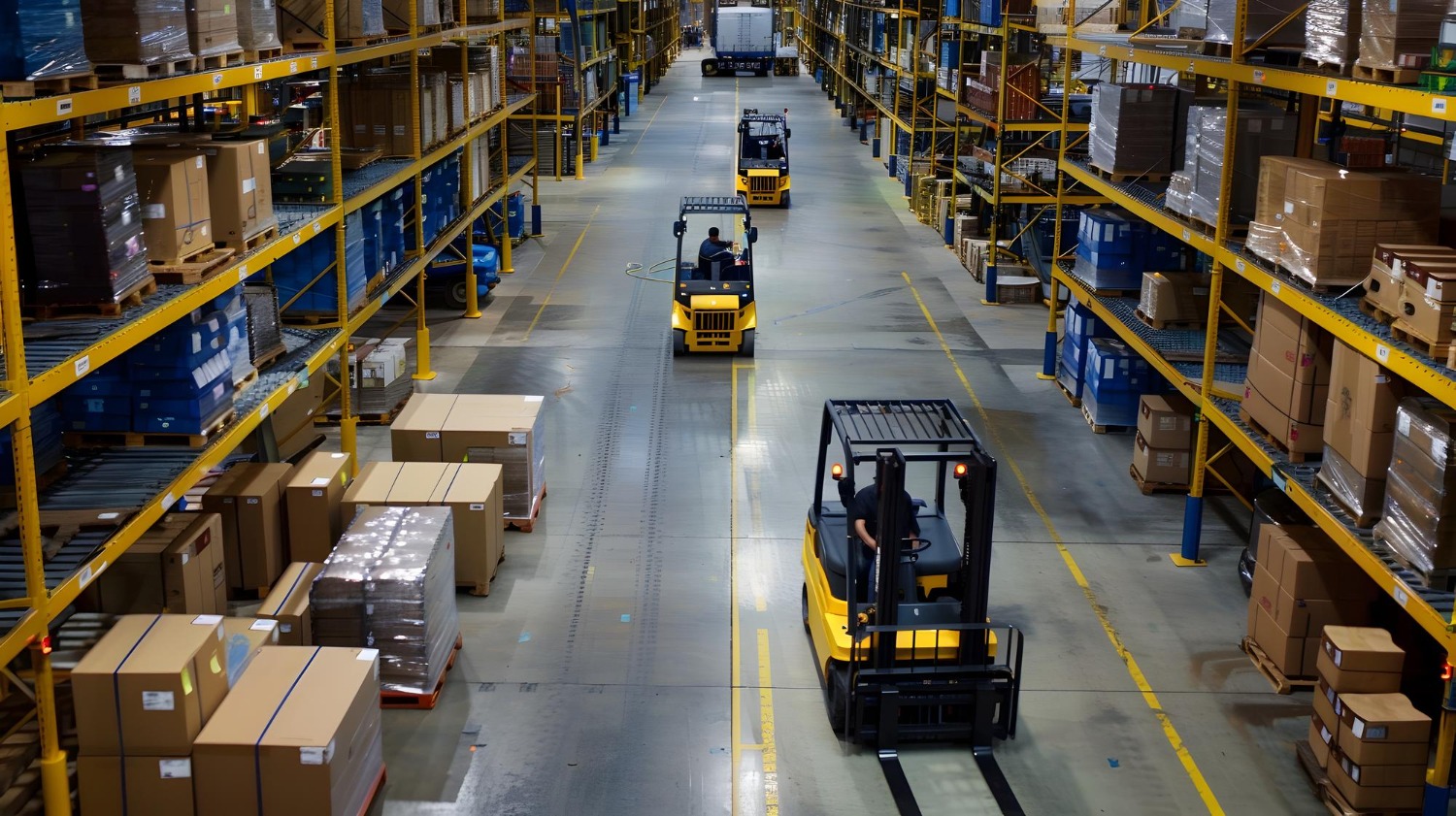
Cross-docking is not a single operating model.
Different types handle freight flow in their own way, depending on how shipments are processed before they leave the terminal.
Overall, cross-docking works well for fast-moving consumer goods and perishable products. It also fits time-sensitive retail inventory and just-in-time manufacturing components.
A cross-dock terminal is designed around inbound and outbound dock doors that keep freight flowing continuously, rather than storage aisles and pallet racking commonly found in traditional warehouses.
For example, a retailer importing Christmas stock months before the holiday season would store inventory in a warehouse until customer demand increases.Seasonal inventory is usually better suited to warehousing because it may need to be stored, picked, packed or held for weeks or months before customer demand peaks.
Many Australian businesses adopt a mixed approach, using cross-docking for predictable, high-volume product lines and warehousing to cover safety stock and seasonal or slow-turning inventory.
A fresh produce wholesaler supplying supermarkets across multiple cities needs freight transferred from an inbound vehicle to an outbound carrier the same day to maintain product quality and delivery schedules.
Through the Couriers & Freight platform, the business can compare quotes from multiple carriers. It can then choose a carrier that fits the shipment requirements and track the shipment through to its outbound destination. This approach helps reduce delays while maintaining visibility throughout the transport process.
For businesses managing similar time-sensitive transfers, compare cross-docking rates through Couriers & Freight.
An importer preparing for peak retail demand may need storage for seasonal inventory before customer orders are released. Through Couriers & Freight, businesses can arrange storage capacity for that inventory. The same booking process covers pick-and-pack fulfilment and dispatch, as well as the freight quotes and tracking already in use.
Businesses with similar storage and fulfilment needs can arrange warehousing through Couriers & Freight.
Book warehouse storage and pick-and-pack fulfilment through Couriers & Freight.
Get a Quote Now


MHP

No Surcharge*

$16.50
$14
$15.50
$0
$15.50
$14.75
$0
$0
$0
$0
MHP Large Item
No Surcharge*
$16.50
$75
$62
$62
$60.10
$14.75
$0
$0
$0
$0
Residential Pickup
No Surcharge*
$6
$0
$9
--
$9
$10.60
$0
$0
$0
$38.50
Reidential pick up 30-99kgs
No Surcharge*
$63
$0
$9
$0
$9
$74.15
$20
Won't carry
Won't carry
$38.50
Residential pick up 100kgs+
No Surcharge*
$198
$0
$9
$0
$9
$158.87
$50
Won't carry
Won't carry
$38.50
Residential Delivery up to 29kgs
No Surcharge*
$6
$0
$9
--
$9.00
$10.60
$0
$0
$0
$38.50
Residential Delivery up 30-99kgs
No Surcharge*
$63
$0
$9
$0
$9
$74.15
$20
Won't carry
Won't carry
$38.50
Residential Delivery 100kgs+
No Surcharge*
$198
$0
$9
--
$9
$158.57
$50
Won't carry
Won't carry
$38.50
Tail Lift Pick up 50-99kgs Sydney / Melbourne
No Surcharge*
$45
$50-$250
$88
$88
$88
$44.07
$120
Won't carry
Won't carry
$61.50
Tail Lift Pick up 100-299kgs Sydney / Melbourne
No Surcharge*
$85
$50-$250
$88
$88
$88
$44.07
$120
Won't carry
Won't carry
$61.50
Tail Lift Pick up 300-499kgs Sydney / Melbourne
No Surcharge*
$120
$50-$250
$88
$88
$88
$44.07
$120
Won't carry
Won't carry
$61.50
Tail Lift Pick up 500kgs + Sydney / Melbourne
No Surcharge*
$250
$50-$250
$88
$88
$88
$44.07
$120
Won't carry
Won't carry
$61.50
Tail Lift Delivery 50-99kgs Sydney / Melbourne
No Surcharge*
$45
$50-$250
$88
$88
$88
$44.07
$120
Won't carry
Won't carry
$61.50
Tail Lift Delivery 100-299kgs Sydney / Melbourne
No Surcharge*
$85
$50-$250
$88
$88
$88
$44.07
$120
Won't carry
Won't carry
$61.50
Tail Lift Delivery300-499kgs Sydney / Melbourne
No Surcharge*
$120
$50-$250
$88
$88
$88
$44.07
$120
Won't carry
Won't carry
$61.50
Tail Lift Delivery 500kgs + Sydney / Melbourne
No Surcharge*
$250
$50-$250
$88
$88
$88
$44.07
$120
Won't carry
Won't carry
$61.50
Dead weight over 32KGS carton freight
No Surcharge*
$16.50
$75
$70
$70
$70
$14.75
$0
Won't carry
Won't carry
$0
Oversize Surcharge 1.20 - 1.54
No Surcharge*
--
$0
$0
$0
$0
$5.40
$10
$15
Won't carry
$0
Oversize Surcharge 1.55 - 1.85
No Surcharge*
$17
$20
$0
$0
$0
$11.93
$10
$15
Won't carry
$0
Oversize Surcharge 1.86 - 2.20
No Surcharge*
$37
$40
$0
$0
$0
$11.93
$10
Won't carry
Won't carry
$0
Pallet Surcharge
No Surcharge*
--
$0
$0
$0
$0
$0
$0
Won't carry
Won't carry
$0
Hand Unload Fee Carton
No Surcharge*
--
$0
$70
$70
$70
$47
$0
Won't carry
Won't carry
$61.50
Western Australia Regional Surcharge
No Surcharge*
%10
$0
$0
$0
$0
$0
$0
$0
$0
$0
*Surcharges may apply to areas/deimensions not listed
**Prices correct of 16th September 2024

Click to start shipping in less than 60 seconds