
🎄 Festive Rush - Deliveries might take a bit longer. We appreciate your patience.
Festive Period 2025
Cut-Off Times

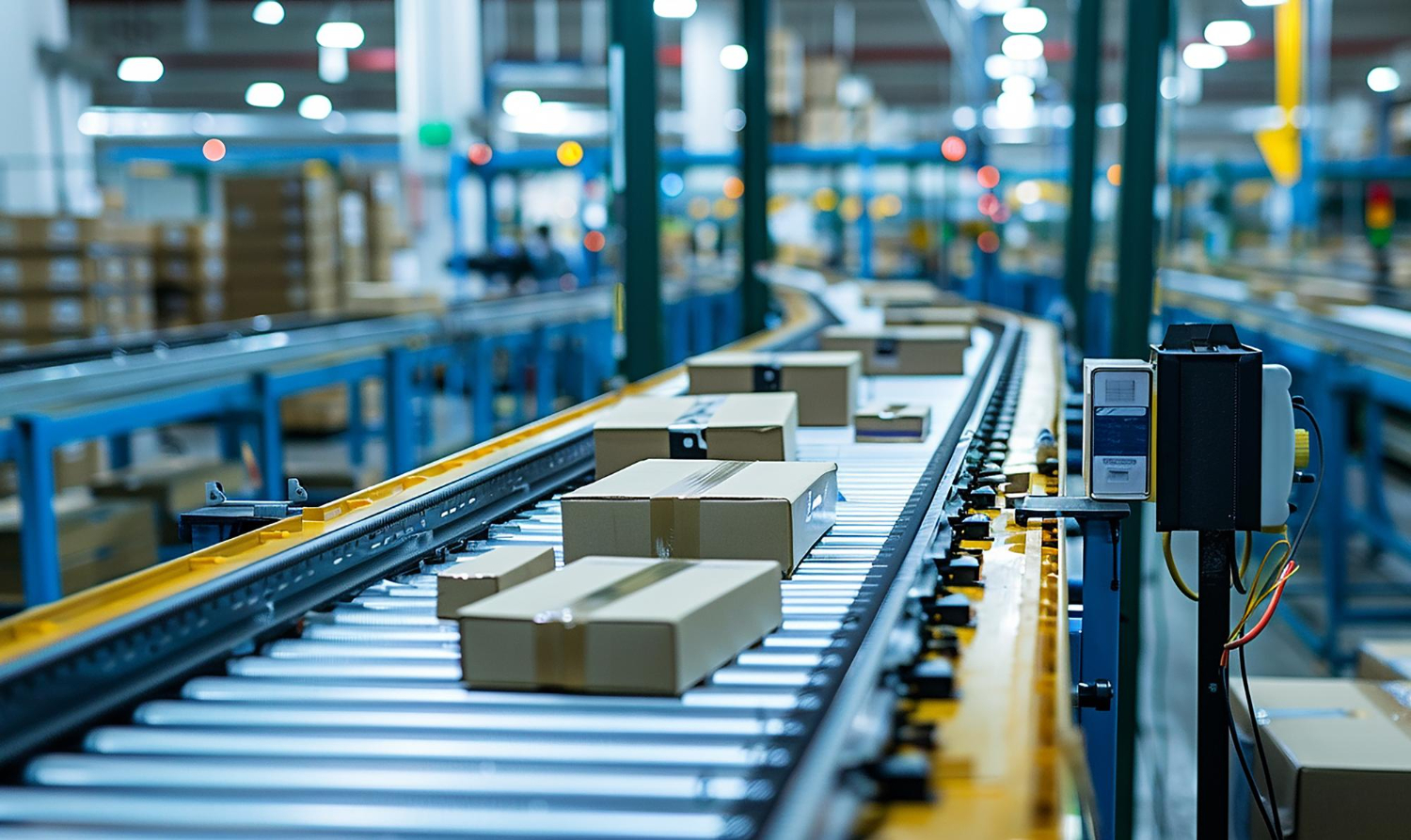
In 2025, Marketplace Pulse reported that while the total number of Amazon sellers fell from around 2.4 million in 2021 to under 1.9 million, monthly visits per active seller increased by 31%, intensifying competition and pressure on fulfilment performance.
As fees rise and delivery, storage, and restock requirements tighten, many sellers are reassessing how they fulfil orders, including whether Amazon Fulfilled by Merchant (FBM) offers greater cost control and operational flexibility.
This article explains how FBM operates heading into 2026, the key compliance requirements sellers must meet, and when outsourcing fulfilment to a 3PL becomes the more practical option.
Outsource storage, pick and pack, and carrier dispatch for Amazon FBM orders with Couriers & Freight.
Get a Quote NowThis section summarises how Amazon Fulfilled by Merchant (FBM) works in 2026 and what sellers need to manage to stay compliant.
If you’re reviewing your FBM setup, you can compare fulfilment options or request a quote through Couriers & Freight to see whether outsourced fulfilment fits your operation.
Fulfilled by Merchant (FBM) is Amazon’s fulfilment model where the seller is responsible for all physical order handling and delivery execution. This includes storing inventory, packing items, booking carriers, uploading tracking, and delivering orders to customers, while Amazon manages the marketplace, checkout, and payment processing.
Under FBM, sellers retain full control over inventory and shipping decisions. But they are also fully responsible for meeting Amazon’s delivery and performance standards. This responsibility has become more demanding following Amazon’s policy update on 25 September 2024, which introduced a formal on-time delivery rate (OTDR) requirement for FBM sellers.
To remain compliant, at least 90% of seller-fulfilled orders must arrive by the promised delivery date, with most sellers targeting a higher buffer to protect account health. This makes accurate handling times, approved carriers, and reliable tracking uploads critical to maintaining FBM eligibility.
Many Australian sellers are reassessing whether Fulfilled by Amazon (FBA) or Fulfilled by Merchant (FBM) better suits their business as fees rise and inventory controls tighten. The two models differ significantly in cost structure, inventory control, and who carries the risk for storage and delivery performance.
In Australia, Amazon announced that from 1 October 2025, FBA storage will move from quarterly to monthly capacity limits, restricting how much inventory sellers can send to Amazon warehouses. At the same time, standard-size FBA storage fees remain high, sitting at $37.00 per cubic metre from January to September and increasing to $51.80 per cubic metre during peak season (October–December).
These constraints have made holding slow-moving or bulky stock in FBA more expensive and riskier, particularly when inbound delays or capacity caps restrict replenishment
As a result, many sellers are shifting selected SKUs to FBM or adopting a hybrid approach.
Below is a comparison of the two models:
Many sellers report fulfilment delays at Amazon warehouses during peak periods, leading to stock-outs or lost Buy Box opportunities. As one seller noted: “I have been shipping the same quantity to Amazon for two years, and all of a sudden they are not allowing me that same capacity.”
To manage cost and risk, a growing number of Australian sellers now use a hybrid model. Keeping fast-moving products in FBA for speed, while shifting slower, bulkier, or seasonal items to FBM to reduce storage fees and capacity exposure.
If you fulfil Amazon orders yourself in Australia, meeting FBM shipping requirements depends on how accurately your delivery promises match real-world carrier performance. Amazon measures this closely, and gaps between what you promise and what actually happens can quickly affect your account health.
Australia’s size makes transit planning critical. Parcels sent within the same state typically take 2–4 business days, while interstate deliveries often take 3–6 business days, depending on the carrier, lane, and service level.
Deliveries to regional or remote areas can take longer due to limited transport runs or reduced service frequency. During peak periods such as major sales events or the Christmas season, carrier networks can slow further, increasing the risk of late deliveries if buffer time is not built in.
Sellers using private couriers should also confirm postcode coverage and Amazon recognition. Some carriers do not service all regions consistently, particularly in remote areas. This can lead to missed delivery promises and metric penalties.
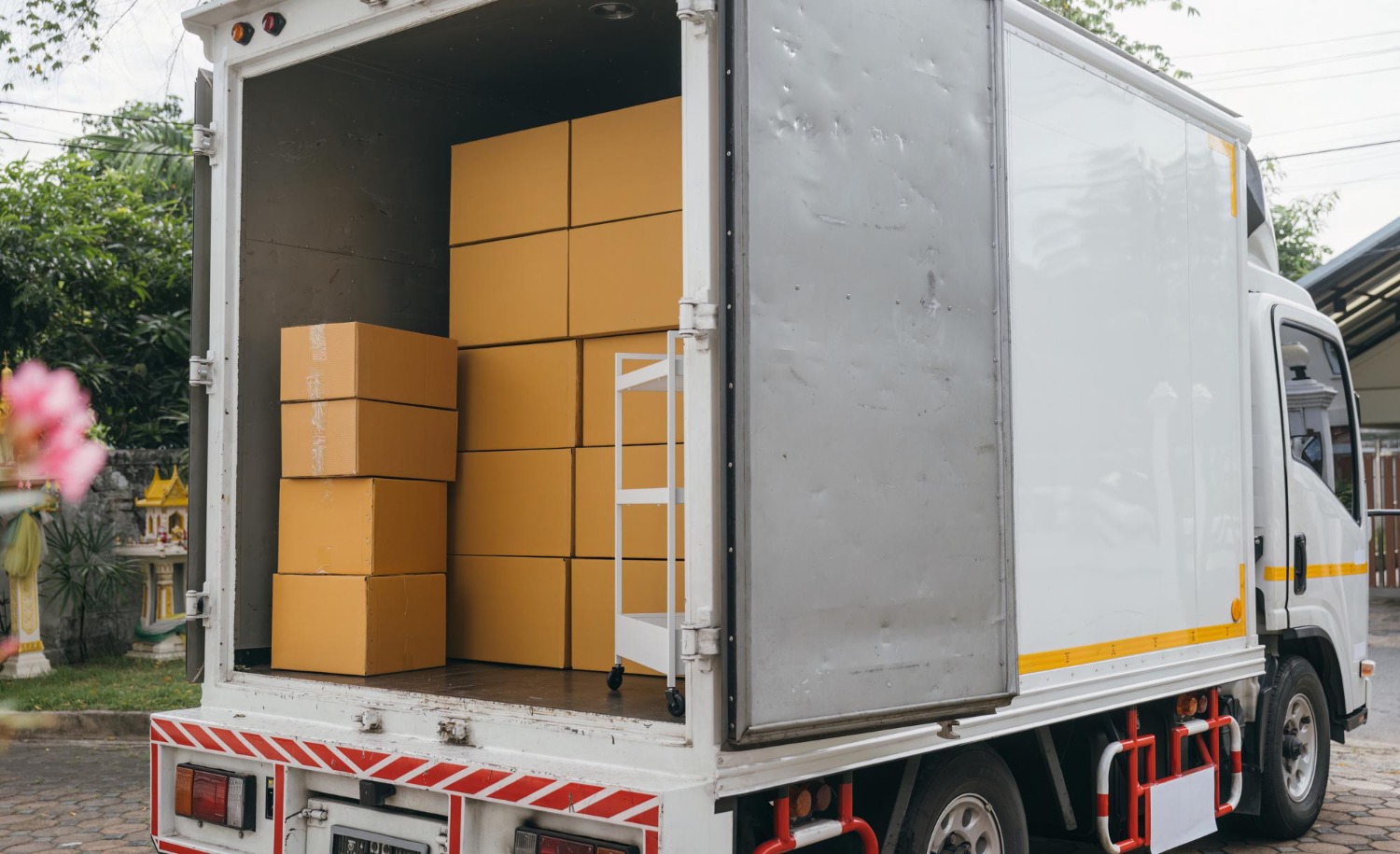
Running FBM effectively requires tight control over packing, shipping, and delivery performance. The following tips focus on reducing avoidable errors and keeping Amazon performance metrics within required thresholds.
FBM becomes harder to manage as daily order volumes grow or when sellers operate across multiple platforms such as Amazon, Shopify, and eBay. A 3PL handles storage, pick and pack, national shipping, and tracking uploads, reducing manual handling and the risk of late or incorrectly tracked orders.
In Australia, interstate shipping can slow down during peak periods. Using a 3PL with multiple carrier options helps maintain on-time delivery rates and consistent tracking performance, particularly during seasonal demand spikes.
Use consistent box sizes, accurate weight measurements, and a repeatable packing process. This prevents discrepancies between listed and actual parcel details, which can cause Amazon to calculate delivery windows that are too short.
For example, if a parcel is lighter or smaller than recorded, Amazon may assume a faster delivery time than the carrier can realistically meet, increasing the risk of late delivery.
Relying on a single carrier increases exposure to service delays. Using two or more carriers allows sellers to route shipments based on coverage, transit time, and congestion.
This approach helps protect on-time delivery performance when one network experiences backlogs or limited pickup availability.
Monitor key FBM metrics weekly, including on-time delivery rate, valid tracking rate, and cancellation rate. Review recent shipments to confirm tracking uploads and ensure handling times still match actual dispatch speeds.
Regular checks allow sellers to correct issues early, before performance warnings or account restrictions occur.
Delays in processing returns can affect customer satisfaction and account performance. Returned items should be inspected, restocked where possible, and refunded promptly.
For example, slow processing of apparel returns can lead to higher cancellation rates and negative buyer feedback, particularly during high-volume periods.
As FBM order volumes grow, many sellers reach a point where in-house fulfilment becomes harder to sustain. The decision to outsource is less about convenience and more about whether your operation can consistently meet Amazon’s delivery and tracking requirements.
Use the framework below to assess whether a 3PL is the more practical option for your business.
Consistently exceeding 30–50 orders per day can strain small teams. Packing delays, missed cut-offs, and tracking errors become more likely.
Managing Amazon alongside Shopify, eBay, or direct-to-consumer orders increases fulfilment complexity. Each additional channel raises the risk of late dispatches if workflows are not centralised.
Deliveries to regional and remote areas require access to multiple carriers. A single-carrier setup often struggles to meet delivery promises across all postcodes.
Limited storage space makes it difficult to scale during busy periods. Overflow stock can slow dispatch and affect handling times.
Order spikes during events like November–December sales test fulfilment capacity. Without additional labour or space, late shipments become more common.
Small teams juggling packing, tracking uploads, and customer service may lack the bandwidth to maintain performance metrics consistently.
For example, a seller of electronics processing 40–50 Amazon orders per day while also fulfilling Shopify orders avoided late shipments during peak periods by moving fulfilment to a 3PL.
In another case, a business shipping nationally struggled to meet delivery promises to remote WA and Queensland locations until multi-carrier routing was introduced through outsourced fulfilment.
Many Amazon sellers find it difficult to manage FBM alongside Shopify or direct-to-consumer orders. Late carrier pickups, limited warehouse space, and rising daily order volumes can quickly lead to missed cut-off times and delivery delays.
Couriers & Freight supports FBM sellers by taking over the operational work that directly affects Amazon performance metrics.
We handle:
Get a Couriers & Freight quote to review fulfilment costs and delivery coverage for FBM orders.
Outsource storage, pick and pack, and carrier dispatch for Amazon FBM orders with Couriers & Freight.
Get a Quote Now


MHP

No Surcharge*

$16.50
$14
$15.50
$0
$15.50
$14.75
$0
$0
$0
$0
MHP Large Item
No Surcharge*
$16.50
$75
$62
$62
$60.10
$14.75
$0
$0
$0
$0
Residential Pickup
No Surcharge*
$6
$0
$9
--
$9
$10.60
$0
$0
$0
$38.50
Reidential pick up 30-99kgs
No Surcharge*
$63
$0
$9
$0
$9
$74.15
$20
Won't carry
Won't carry
$38.50
Residential pick up 100kgs+
No Surcharge*
$198
$0
$9
$0
$9
$158.87
$50
Won't carry
Won't carry
$38.50
Residential Delivery up to 29kgs
No Surcharge*
$6
$0
$9
--
$9.00
$10.60
$0
$0
$0
$38.50
Residential Delivery up 30-99kgs
No Surcharge*
$63
$0
$9
$0
$9
$74.15
$20
Won't carry
Won't carry
$38.50
Residential Delivery 100kgs+
No Surcharge*
$198
$0
$9
--
$9
$158.57
$50
Won't carry
Won't carry
$38.50
Tail Lift Pick up 50-99kgs Sydney / Melbourne
No Surcharge*
$45
$50-$250
$88
$88
$88
$44.07
$120
Won't carry
Won't carry
$61.50
Tail Lift Pick up 100-299kgs Sydney / Melbourne
No Surcharge*
$85
$50-$250
$88
$88
$88
$44.07
$120
Won't carry
Won't carry
$61.50
Tail Lift Pick up 300-499kgs Sydney / Melbourne
No Surcharge*
$120
$50-$250
$88
$88
$88
$44.07
$120
Won't carry
Won't carry
$61.50
Tail Lift Pick up 500kgs + Sydney / Melbourne
No Surcharge*
$250
$50-$250
$88
$88
$88
$44.07
$120
Won't carry
Won't carry
$61.50
Tail Lift Delivery 50-99kgs Sydney / Melbourne
No Surcharge*
$45
$50-$250
$88
$88
$88
$44.07
$120
Won't carry
Won't carry
$61.50
Tail Lift Delivery 100-299kgs Sydney / Melbourne
No Surcharge*
$85
$50-$250
$88
$88
$88
$44.07
$120
Won't carry
Won't carry
$61.50
Tail Lift Delivery300-499kgs Sydney / Melbourne
No Surcharge*
$120
$50-$250
$88
$88
$88
$44.07
$120
Won't carry
Won't carry
$61.50
Tail Lift Delivery 500kgs + Sydney / Melbourne
No Surcharge*
$250
$50-$250
$88
$88
$88
$44.07
$120
Won't carry
Won't carry
$61.50
Dead weight over 32KGS carton freight
No Surcharge*
$16.50
$75
$70
$70
$70
$14.75
$0
Won't carry
Won't carry
$0
Oversize Surcharge 1.20 - 1.54
No Surcharge*
--
$0
$0
$0
$0
$5.40
$10
$15
Won't carry
$0
Oversize Surcharge 1.55 - 1.85
No Surcharge*
$17
$20
$0
$0
$0
$11.93
$10
$15
Won't carry
$0
Oversize Surcharge 1.86 - 2.20
No Surcharge*
$37
$40
$0
$0
$0
$11.93
$10
Won't carry
Won't carry
$0
Pallet Surcharge
No Surcharge*
--
$0
$0
$0
$0
$0
$0
Won't carry
Won't carry
$0
Hand Unload Fee Carton
No Surcharge*
--
$0
$70
$70
$70
$47
$0
Won't carry
Won't carry
$61.50
Western Australia Regional Surcharge
No Surcharge*
%10
$0
$0
$0
$0
$0
$0
$0
$0
$0
*Surcharges may apply to areas/deimensions not listed
**Prices correct of 16th September 2024

Click to start shipping in less than 60 seconds