
🎄 Festive Rush - Deliveries might take a bit longer. We appreciate your patience.
Festive Period 2025
Cut-Off Times

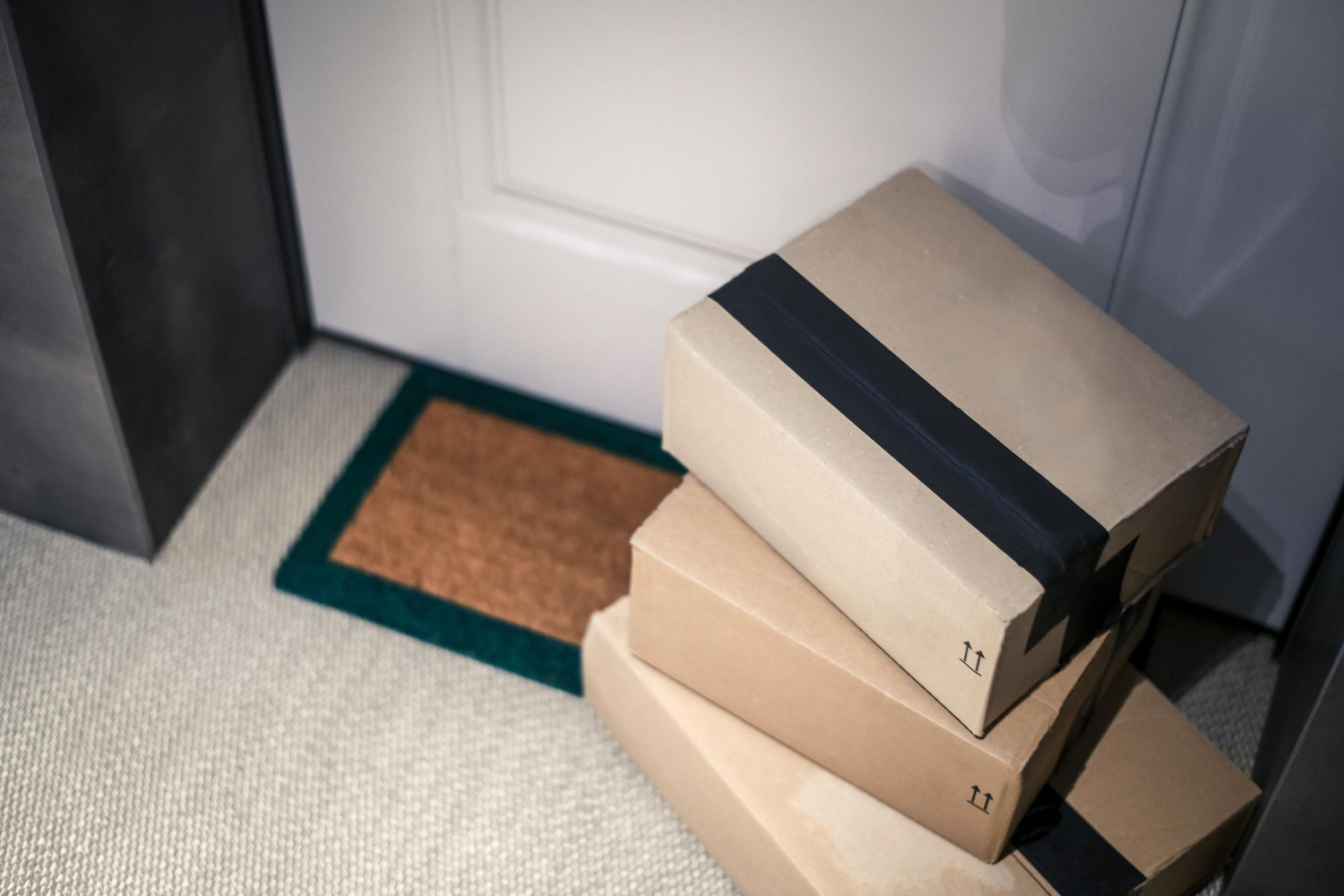
Amazon unclaimed packages are attracting growing attention from resellers as online returns and surplus inventory continue to flow into liquidation channels. In 2024, Australians spent a record $69 billion online, while more than 26% of shoppers returned at least one purchase during the year, creating a steady flow of returned and unclaimed goods.
On reseller forums, buyers regularly describe mixed outcomes, from pallets containing resellable electronics to shipments filled with damaged or low-value items. This article explains what Amazon unclaimed packages actually are in Australia, where the genuine opportunities and risks are, and how to manage pallet shipping logistics so costs don’t erase potential margins.
Move unclaimed package pallets between warehouses, businesses, or addresses across Australia with Couriers & Freight.
Get a Quote NowAmazon unclaimed packages in Australia are parcels that were returned, lost, or abandoned in transit, and later sold through liquidation or reverse logistics channels.
Partner with Couriers & Freight to simplify pallet shipping of mystery boxes across Australia and ensure your unclaimed packages arrive safely.
In Australia, so-called Amazon unclaimed packages are not mystery boxes sold by Amazon itself. They refer to parcels that fail to complete the standard delivery or return process and are later sold through third-party liquidation or reverse-logistics companies.
These parcels typically enter liquidation for several reasons:
Much of the online discussion around “Amazon mystery boxes” comes from US-based liquidation programs. In Australia, Amazon does not operate a public unclaimed-package or mystery-box scheme. Instead, resellers access these goods through independent liquidation wholesalers, reverse-logistics providers, and pallet clearance warehouses.
The scale of returns helps explain why this market exists. In the year to June 2024, Amazon Australia added approximately 1.1 million new customers, bringing the platform to around 7.9 million Australian shoppers. At the same time, Amazon introduced returns processing fees for sellers in categories with high return rates, reinforcing how returned and unclaimed goods continue to flow into liquidation channels.
Australian buyers can access Amazon unclaimed packages through several legitimate channels, but outcomes depend heavily on due diligence. These goods are rarely sold individually and are usually offered as mixed pallets or bulk lots, making inspection rights and freight planning especially important.
These businesses purchase returned or surplus stock from major retailers and resell it in bulk. Australian buyers typically need a valid ABN, and minimum order quantities are common. Pallets may come with basic manifests, but conditions can vary widely.
Reverse-logistics providers handle returns and clearance inventory on behalf of retailers. They often sell mixed pallets containing consumer goods, electronics, or homeware. Buyers should confirm whether item inspection (in person or via photos) is available before purchase.
Some retailers and logistics operators run auctions for returned or excess stock. These may offer more transparency through photos or limited inspection windows, but competition can push prices up quickly. Freight pickup terms should be checked before bidding.
Clearance warehouses sell pallets sourced from store closures, liquidation events, or accumulated returns. Buyers should confirm pallet size, weight, and pickup location in advance, as shipping costs can vary significantly depending on distance and handling requirements.
According to an IBISWorld report, Australia’s business liquidation services sector has recorded steady revenue growth in recent years, reflecting the rising volume of returned and surplus stock entering resale channels. For buyers, this growth increases availability, but also highlights the importance of careful sourcing and cost control.
Australian resellers are attracted to Amazon unclaimed packages because they offer alternative ways to source stock outside traditional wholesale channels. When approached carefully, these pallets can provide access to goods that are otherwise difficult to source at scale or at competitive prices.
One of the main drawcards is the purchase price. Unclaimed or returned pallets are often sold below retail value, giving resellers room to recover costs even after factoring in freight and handling. Buyers who focus on sorting, testing, and selling individual items, rather than reselling pallets as-is, tend to extract the most value.
Another appeal is the variety of products typically found in mixed pallets. Electronics, homeware, toys, and small appliances often appear together, allowing resellers to list items across multiple platforms and spread risk rather than relying on a single product category.
Branded items or electronics found in mixed pallets can produce high resale margins. The key is careful inspection and selection. Some pallets contain valuable items alongside lower-value or damaged goods, so sorting and evaluating each product is essential to maximise profit.
There is also a growing interest in the circular economy. By reintroducing returned or surplus goods into the market, resellers reduce waste and extend product life cycles. While this is rarely the primary motivation, it is an added benefit for buyers who value sustainability alongside commercial returns.
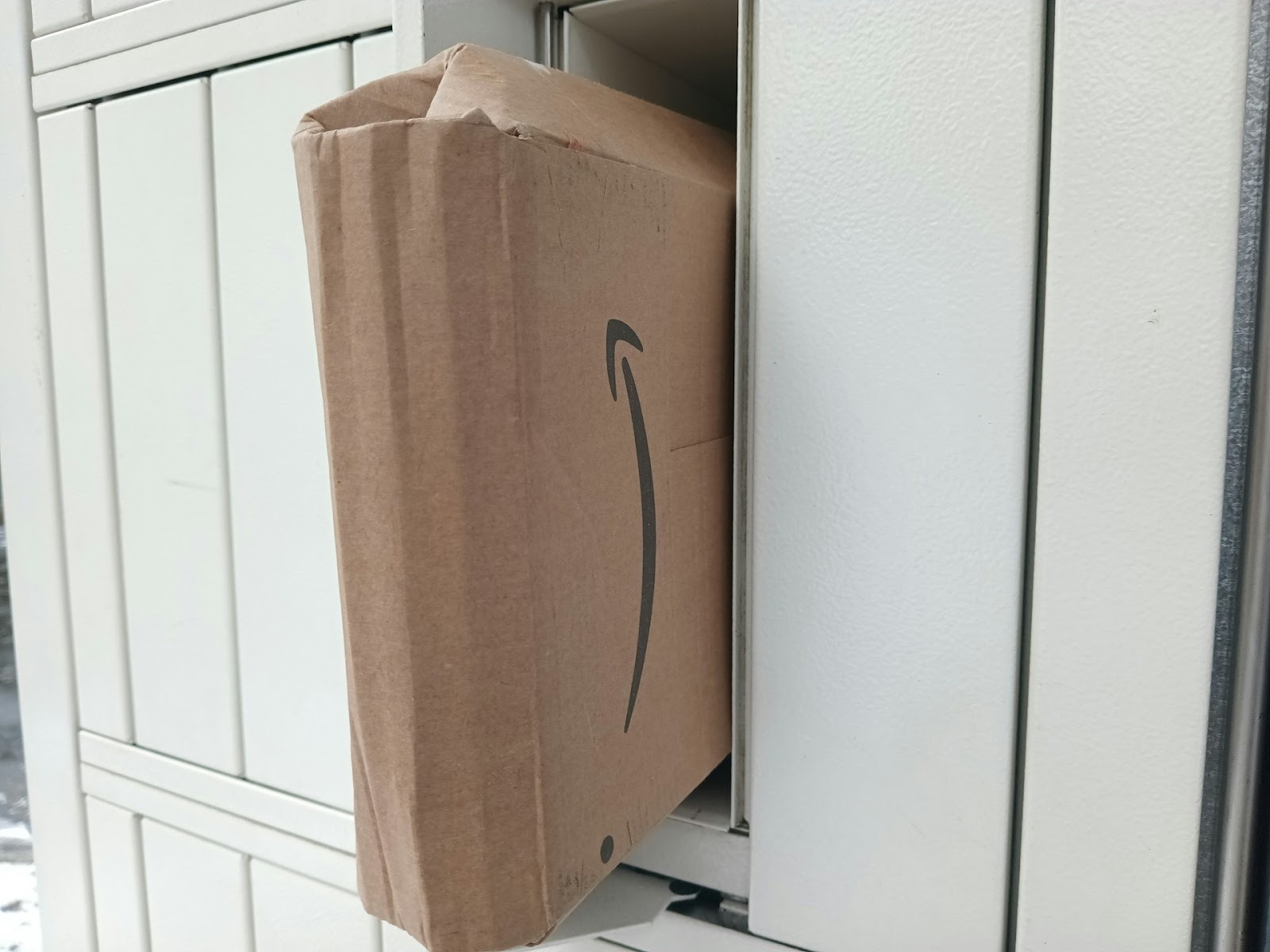
Buying Amazon unclaimed packages can be profitable, but risks are frequent and can quickly compound without careful planning. Many first-time buyers underestimate how quickly small issues like condition, packaging, or freight can eliminate margins.
Items may arrive damaged, heavily worn, or non-functional. Without clear inspection rights or accurate manifests, buyers often don’t know what they’ve purchased until the pallet is unpacked.
Products such as electronics, tools, or toys frequently arrive without chargers, accessories, or manuals. Even minor missing parts can significantly reduce resale value or make items unsellable.
Pallets of mixed goods are often bulky and irregularly stacked. When size, weight, or handling requirements aren’t planned in advance, freight charges, particularly for interstate or regional deliveries, can quickly outweigh expected profit.
Mixed pallets make it difficult to forecast returns. High-value items may sit alongside low-value or unsellable stock, making it harder to estimate margin before purchase.
Not all liquidation sellers provide accurate descriptions or inspection access. As reseller forums frequently note, some pallets are “mixed quality” and can become a complete loss if misrepresented.
The Australian retail industry faces a 30% average return rate, creating a “$20 billion challenge” in managing returns and reverse logistics. A report estimates that more than $1.5 billion worth of returned goods go to waste each year. This highlights both the opportunity and the operational challenges associated with resale and reverse logistics.
Shipping is one of the biggest factors determining whether unclaimed packages deliver any profit at all. Because these pallets are often bulky, mixed, and irregularly stacked, freight planning needs to happen before purchase, not after.
Carriers apply strict limits to pallet dimensions and weight. Oversized or overweight pallets can attract surcharges or be rejected altogether. Using standard Australian pallet sizes (such as 1165 × 1165 mm) helps reduce handling issues and unexpected costs.
Many residential or small-business delivery locations don’t have forklifts. In these cases, a tail-lift truck is required to safely unload pallets. Buyers should confirm access requirements early to avoid failed deliveries or rebooking fees.
Freight pricing varies significantly depending on destination. Regional and remote deliveries typically cost more due to distance and limited carrier availability, which can materially affect resale margins for low-value pallets.
Moving pallets across state lines, particularly on long east–west routes such as Sydney to Perth, adds another layer of cost volatility. Linehaul pricing can fluctuate, making it essential to factor interstate freight into profitability calculations upfront.
Freight doesn’t just charge based on how much a pallet weighs. It can also be charged by volume. If your pallet is light but very large, carriers may calculate costs based on its cubic dimensions, which could significantly increase your freight bill.
Mixed pallets containing electronics, home goods, and toys require careful shrink-wrapping, strapping, and stacking. Proper load security reduces transit damage and helps avoid disputes with carriers over responsibility for damaged goods.
Couriers & Freight makes moving Amazon unclaimed packages manageable with practical support for common reseller scenarios:
A reseller purchases a mixed pallet from a Sydney liquidation warehouse and needs it delivered interstate. Couriers & Freight coordinates warehouse pickup, selects an appropriate linehaul carrier, and manages tracking through to final delivery, helping the buyer plan timelines and costs upfront.
Liquidation pallets often contain a combination of heavy electronics, fragile homeware, and irregularly shaped goods. Couriers & Freight arranges shrink-wrapping, strapping, and careful palletisation to reduce movement and damage during transit.
Some buyers split pallets across multiple locations or resell portions of a shipment. Couriers & Freight supports cross-docking and multi-carrier linehaul, allowing pallets to be broken down and redistributed without unnecessary handling delays.
Move Amazon unclaimed package pallets across Australia with Couriers & Freight. Compare pallet freight rates, book interstate transport, and manage pickup and delivery for bulky or mixed loads in one place.
Move unclaimed package pallets between warehouses, businesses, or addresses across Australia with Couriers & Freight.
Get a Quote NowYes. Buying unclaimed packages is legal when purchases are made through legitimate liquidation wholesalers, reverse-logistics providers, or auction platforms operating in Australia. Buyers should avoid informal sellers or private groups where stock origins and inspection rights are unclear.
Prices vary depending on size, contents, and supplier. Small pallets often start around $500, while large mixed pallets with electronics, homeware, or toys can exceed $3,000. Remember to factor in freight costs, which can add several hundred dollars for interstate or regional delivery.
They can be, but outcomes vary. Profitability depends on pallet price, item condition, freight costs, and the buyer’s ability to sort, test, and resell individual items. Mixed pallets often contain both sellable and unsellable stock.
Use a licensed freight provider. Check tail-lift requirements for delivery locations, confirm weight and cubic dimensions, and secure the pallet with shrink-wrap, strapping, or protective padding to prevent damage during transit.
Buyers should verify the seller’s ABN, confirm inspection options or photo access, review pallet size and weight details, and understand freight pickup requirements. Planning these details upfront helps avoid unexpected costs or delivery issues.
Move unclaimed package pallets between warehouses, businesses, or addresses across Australia with Couriers & Freight.
Get a Quote Now


MHP

No Surcharge*

$16.50
$14
$15.50
$0
$15.50
$14.75
$0
$0
$0
$0
MHP Large Item
No Surcharge*
$16.50
$75
$62
$62
$60.10
$14.75
$0
$0
$0
$0
Residential Pickup
No Surcharge*
$6
$0
$9
--
$9
$10.60
$0
$0
$0
$38.50
Reidential pick up 30-99kgs
No Surcharge*
$63
$0
$9
$0
$9
$74.15
$20
Won't carry
Won't carry
$38.50
Residential pick up 100kgs+
No Surcharge*
$198
$0
$9
$0
$9
$158.87
$50
Won't carry
Won't carry
$38.50
Residential Delivery up to 29kgs
No Surcharge*
$6
$0
$9
--
$9.00
$10.60
$0
$0
$0
$38.50
Residential Delivery up 30-99kgs
No Surcharge*
$63
$0
$9
$0
$9
$74.15
$20
Won't carry
Won't carry
$38.50
Residential Delivery 100kgs+
No Surcharge*
$198
$0
$9
--
$9
$158.57
$50
Won't carry
Won't carry
$38.50
Tail Lift Pick up 50-99kgs Sydney / Melbourne
No Surcharge*
$45
$50-$250
$88
$88
$88
$44.07
$120
Won't carry
Won't carry
$61.50
Tail Lift Pick up 100-299kgs Sydney / Melbourne
No Surcharge*
$85
$50-$250
$88
$88
$88
$44.07
$120
Won't carry
Won't carry
$61.50
Tail Lift Pick up 300-499kgs Sydney / Melbourne
No Surcharge*
$120
$50-$250
$88
$88
$88
$44.07
$120
Won't carry
Won't carry
$61.50
Tail Lift Pick up 500kgs + Sydney / Melbourne
No Surcharge*
$250
$50-$250
$88
$88
$88
$44.07
$120
Won't carry
Won't carry
$61.50
Tail Lift Delivery 50-99kgs Sydney / Melbourne
No Surcharge*
$45
$50-$250
$88
$88
$88
$44.07
$120
Won't carry
Won't carry
$61.50
Tail Lift Delivery 100-299kgs Sydney / Melbourne
No Surcharge*
$85
$50-$250
$88
$88
$88
$44.07
$120
Won't carry
Won't carry
$61.50
Tail Lift Delivery300-499kgs Sydney / Melbourne
No Surcharge*
$120
$50-$250
$88
$88
$88
$44.07
$120
Won't carry
Won't carry
$61.50
Tail Lift Delivery 500kgs + Sydney / Melbourne
No Surcharge*
$250
$50-$250
$88
$88
$88
$44.07
$120
Won't carry
Won't carry
$61.50
Dead weight over 32KGS carton freight
No Surcharge*
$16.50
$75
$70
$70
$70
$14.75
$0
Won't carry
Won't carry
$0
Oversize Surcharge 1.20 - 1.54
No Surcharge*
--
$0
$0
$0
$0
$5.40
$10
$15
Won't carry
$0
Oversize Surcharge 1.55 - 1.85
No Surcharge*
$17
$20
$0
$0
$0
$11.93
$10
$15
Won't carry
$0
Oversize Surcharge 1.86 - 2.20
No Surcharge*
$37
$40
$0
$0
$0
$11.93
$10
Won't carry
Won't carry
$0
Pallet Surcharge
No Surcharge*
--
$0
$0
$0
$0
$0
$0
Won't carry
Won't carry
$0
Hand Unload Fee Carton
No Surcharge*
--
$0
$70
$70
$70
$47
$0
Won't carry
Won't carry
$61.50
Western Australia Regional Surcharge
No Surcharge*
%10
$0
$0
$0
$0
$0
$0
$0
$0
$0
*Surcharges may apply to areas/deimensions not listed
**Prices correct of 16th September 2024

Click to start shipping in less than 60 seconds