
🎄 Festive Rush - Deliveries might take a bit longer. We appreciate your patience.
Festive Period 2025
Cut-Off Times

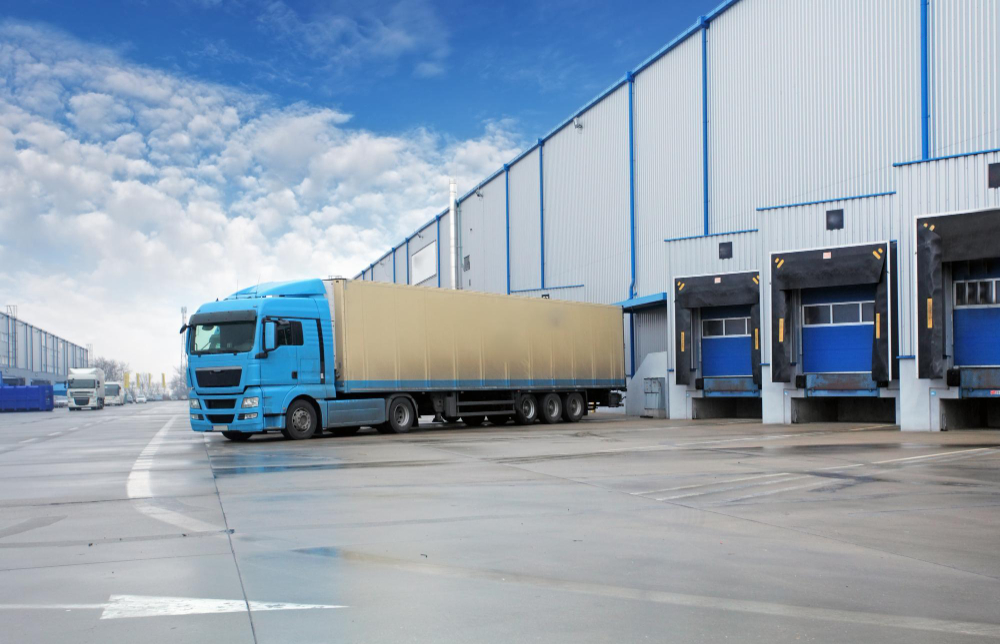
Linehaul shipping supports a significant share of Australia's freight network. Australia's domestic freight task reached approximately 786 billion tonne-kilometres in 2024-25, with freight shipped between cities, ports, warehouses, and distribution centres across the country (BITRE).
Linehaul shipping covers the long-distance transport leg of the supply chain across road, rail, air, and sea networks. This article explains how linehaul shipping works, what the three stages involve, what 'Arrived at Linehaul Office' means on your tracking, and how to choose between road and rail for interstate freight.
Book road or rail linehaul freight between major Australian cities through Couriers & Freight.
Get a Quote NowBusinesses shipping freight between Australian cities can compare road and rail linehaul services through Couriers & Freight.
Linehaul shipping is the transportation of consolidated freight over long distances between major logistics hubs. It represents the middle-mile stage of the supply chain, connecting origin and destination freight hubs.
First-mile collection refers to freight being picked up from the sender and delivered to a sorting facility, while last-mile delivery is the final journey from the destination depot to the recipient.
In Australia, road linehaul uses B-double and semi-trailer combinations on interstate corridors. Rail linehaul ships freight between intermodal terminals on scheduled services. Airline haul is used for urgent and time-sensitive freight. Sea linehaul supports coastal freight movements, including shipments between mainland Australia and Tasmania.
Individual consignments are collected by local courier fleets and transported to a regional sorting facility. Freight is then grouped by destination, consolidated into larger loads, and prepared for interstate transport.
For example, a Melbourne distribution centre may receive palletised freight from multiple Victorian suppliers before combining those shipments into a full load bound for Sydney.
If you're tracking a parcel or planning an interstate shipment, this is the stage where freight travels between major distribution hubs.
Consolidated freight departs on scheduled services operated by B-double trucks or freight trains and travels between interstate freight terminals. Most metro-to-metro road services operate overnight to maximise vehicle utilisation and allow freight to be processed at destination terminals the following day.
The Sydney-Melbourne corridor remains Australia's busiest freight route, with industry estimates indicating around 4,800 trucks travel the corridor each day. Freight activity continues to grow nationally, with road freight accounting for approximately 249 billion tonne-kilometres in 2023-24 as per BITRE.
Once freight arrives at the destination hub, it is sorted into local delivery runs and handed to regional courier fleets. These vehicles complete the final journey to businesses and residential addresses. Tracking gaps commonly occur during this stage while freight is unloaded, sorted, and assigned to delivery routes.
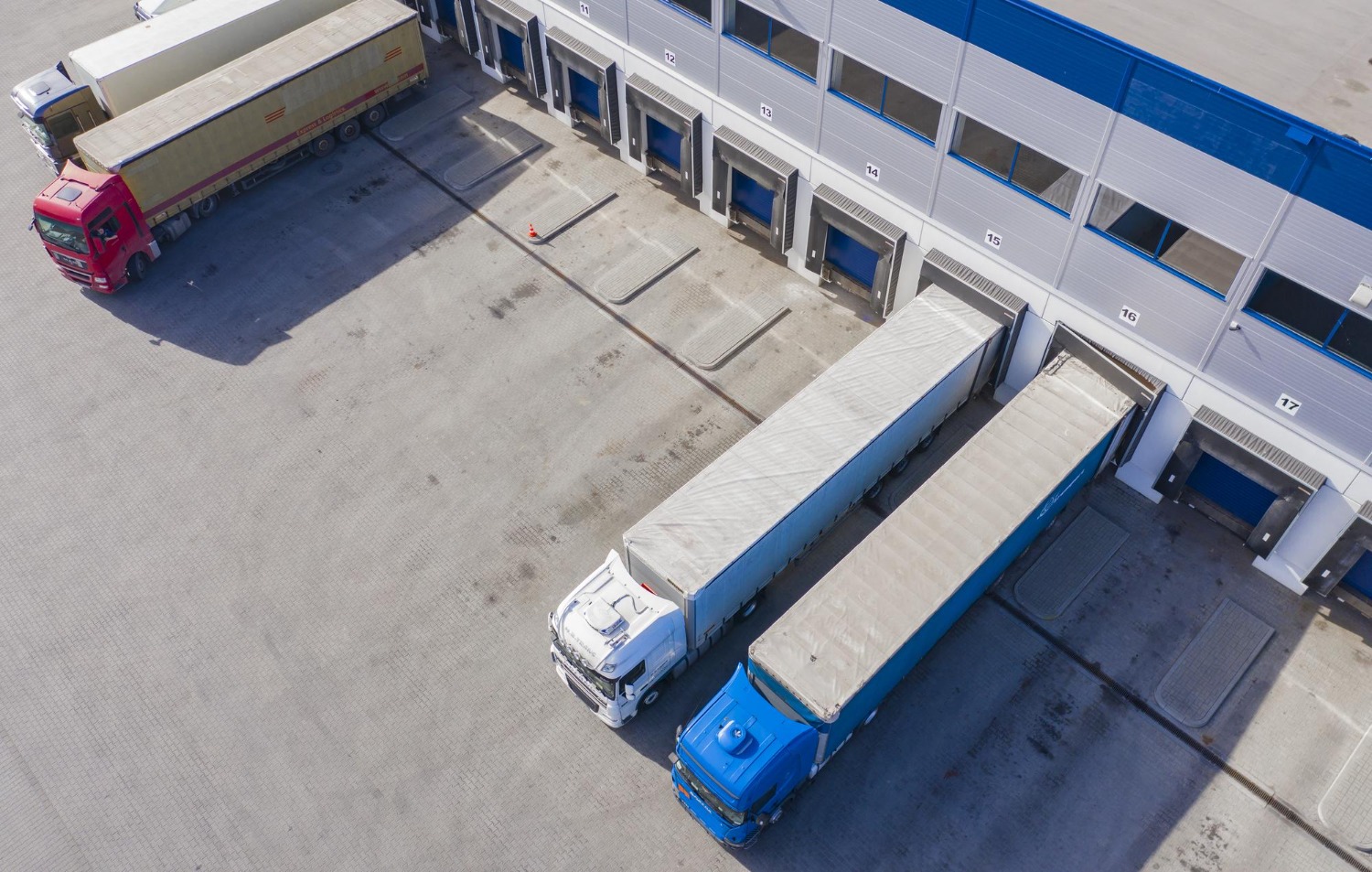
"Arrived at Linehaul Office" generally means a shipment has completed the international transport stage and arrived at a major regional sorting or customs hub within the destination country.
The shipment is typically waiting for clearance, sorting, or transfer to the carrier responsible for final delivery.
According to carrier transit guides, domestic delivery after arrival at a destination processing facility is commonly completed within 2-5 business days for metropolitan areas, although regional destinations may require additional time.
Delivery timeframes vary according to carrier capacity, service level, and destination location.
Road freight is generally the better option for time-sensitive freight, regional deliveries, and businesses requiring flexible pickup and delivery arrangements. Trucks can depart immediately and deliver directly without terminal handling.
For high-volume, cost-sensitive linehaul shipping on fixed corridors, rail freight delivers better cost per tonne-km on established routes such as Melbourne-Perth and Melbourne-Brisbane.
Australian businesses ready to book interstate linehaul freight need to compare road and rail carrier rates without contacting each carrier separately.
Couriers & Freight provides access to road linehaul and rail freight services on major corridors connecting Sydney, Melbourne, Brisbane, Adelaide, and Perth. Businesses can compare carrier rates and book freight directly through the Couriers & Freight platform. Shipments are tracked from booking through to delivery.
Get an online freight quote to book your next interstate linehaul run.
Book road or rail linehaul freight between major Australian cities through Couriers & Freight.
Get a Quote Now


MHP

No Surcharge*

$16.50
$14
$15.50
$0
$15.50
$14.75
$0
$0
$0
$0
MHP Large Item
No Surcharge*
$16.50
$75
$62
$62
$60.10
$14.75
$0
$0
$0
$0
Residential Pickup
No Surcharge*
$6
$0
$9
--
$9
$10.60
$0
$0
$0
$38.50
Reidential pick up 30-99kgs
No Surcharge*
$63
$0
$9
$0
$9
$74.15
$20
Won't carry
Won't carry
$38.50
Residential pick up 100kgs+
No Surcharge*
$198
$0
$9
$0
$9
$158.87
$50
Won't carry
Won't carry
$38.50
Residential Delivery up to 29kgs
No Surcharge*
$6
$0
$9
--
$9.00
$10.60
$0
$0
$0
$38.50
Residential Delivery up 30-99kgs
No Surcharge*
$63
$0
$9
$0
$9
$74.15
$20
Won't carry
Won't carry
$38.50
Residential Delivery 100kgs+
No Surcharge*
$198
$0
$9
--
$9
$158.57
$50
Won't carry
Won't carry
$38.50
Tail Lift Pick up 50-99kgs Sydney / Melbourne
No Surcharge*
$45
$50-$250
$88
$88
$88
$44.07
$120
Won't carry
Won't carry
$61.50
Tail Lift Pick up 100-299kgs Sydney / Melbourne
No Surcharge*
$85
$50-$250
$88
$88
$88
$44.07
$120
Won't carry
Won't carry
$61.50
Tail Lift Pick up 300-499kgs Sydney / Melbourne
No Surcharge*
$120
$50-$250
$88
$88
$88
$44.07
$120
Won't carry
Won't carry
$61.50
Tail Lift Pick up 500kgs + Sydney / Melbourne
No Surcharge*
$250
$50-$250
$88
$88
$88
$44.07
$120
Won't carry
Won't carry
$61.50
Tail Lift Delivery 50-99kgs Sydney / Melbourne
No Surcharge*
$45
$50-$250
$88
$88
$88
$44.07
$120
Won't carry
Won't carry
$61.50
Tail Lift Delivery 100-299kgs Sydney / Melbourne
No Surcharge*
$85
$50-$250
$88
$88
$88
$44.07
$120
Won't carry
Won't carry
$61.50
Tail Lift Delivery300-499kgs Sydney / Melbourne
No Surcharge*
$120
$50-$250
$88
$88
$88
$44.07
$120
Won't carry
Won't carry
$61.50
Tail Lift Delivery 500kgs + Sydney / Melbourne
No Surcharge*
$250
$50-$250
$88
$88
$88
$44.07
$120
Won't carry
Won't carry
$61.50
Dead weight over 32KGS carton freight
No Surcharge*
$16.50
$75
$70
$70
$70
$14.75
$0
Won't carry
Won't carry
$0
Oversize Surcharge 1.20 - 1.54
No Surcharge*
--
$0
$0
$0
$0
$5.40
$10
$15
Won't carry
$0
Oversize Surcharge 1.55 - 1.85
No Surcharge*
$17
$20
$0
$0
$0
$11.93
$10
$15
Won't carry
$0
Oversize Surcharge 1.86 - 2.20
No Surcharge*
$37
$40
$0
$0
$0
$11.93
$10
Won't carry
Won't carry
$0
Pallet Surcharge
No Surcharge*
--
$0
$0
$0
$0
$0
$0
Won't carry
Won't carry
$0
Hand Unload Fee Carton
No Surcharge*
--
$0
$70
$70
$70
$47
$0
Won't carry
Won't carry
$61.50
Western Australia Regional Surcharge
No Surcharge*
%10
$0
$0
$0
$0
$0
$0
$0
$0
$0
*Surcharges may apply to areas/deimensions not listed
**Prices correct of 16th September 2024

Click to start shipping in less than 60 seconds