
🎄 Festive Rush - Deliveries might take a bit longer. We appreciate your patience.
Festive Period 2025
Cut-Off Times

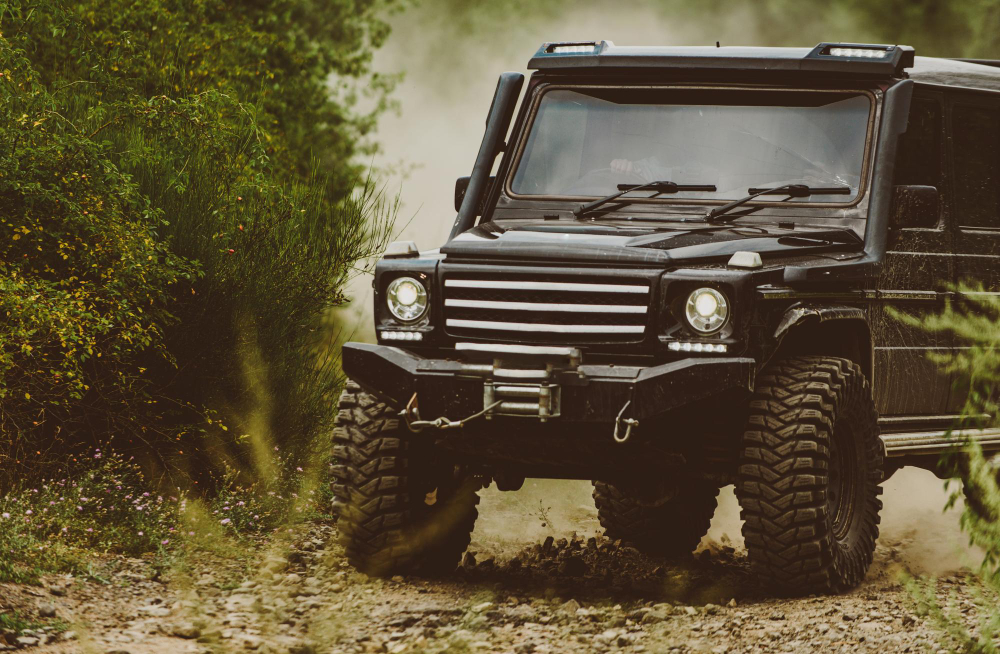
Shipping 4x4 parts and accessories is not like sending a standard parcel. Bull bars, roof racks, and suspension kits are heavy, oversized, and often irregularly shaped, which means carriers price and handle them under different rules than cartons moving through automated sort systems.
Annually, 253 billion tonne-kilometres of freight are shipped. Within that volume, oversized goods compete for trailer space, which is why bulky items like bull bars are priced by space rather than by weight.
This guide covers how freight pricing works for 4x4 accessories, what variables affect interstate costs, and how to compare suitable carriers. Couriers & Freight enables users to compare bulky freight quotes across multiple carriers from one entry point.
Compare carrier rates for bull bars, roof racks, and oversized automotive parts shipped interstate through Couriers & Freight.
Get a Quote NowUse the steps below before booking interstate freight:
Following these steps improves quote accuracy, lowers the reclassification risk at collection, and makes carrier comparison clearer. You can compare bulky freight quotes through Couriers & Freight before confirming your booking.
Standard parcel networks carry boxed items through automated sorting systems built for uniform cartons. Bull bars, roof racks, suspension kits, and steel bumpers don't fit those conditions. They exceed parcel carrier limits for length, shape, and handling, so carriers classify them as bulky or pallet freight rather than standard consignments.
The key pricing difference is cubic weight. Rather than charging on kilograms alone, carriers charge on whichever is greater: actual weight or the space the item occupies in the trailer.
A bull bar shipped from New South Wales to Queensland may weigh under 40 kilograms, yet has a higher freight charge because its dimensions consume dedicated trailer space that cannot be filled around it.
Understanding these cost drivers allows private buyers and automotive retailers to lower avoidable charges and choose suitable freight options.
Carriers calculate freight charges using whichever is greater: the actual weight or the cubic weight. This rule applies across Australian road freight networks and directly affects bulky automotive components.
Australian road freight commonly applies the formula:
This calculation converts volume into a chargeable weight. A steel bull bar may weigh less than expected yet occupy substantial trailer space once packaged. In that case, cubic weight becomes the billing unit because the item limits how much additional freight fits within the same load. Providing accurate packaged dimensions before collection prevents unexpected price adjustments after depot measurement.
Oversized automotive parts often require palletisation to allow safe forklift handling and stable transport. Pallets add cost through both materials and additional handling time. A standard palletised shipment may allow stacking where safe and structurally suitable.
Top-load-only freight differs. Items such as curved bull bars or wide roof racks cannot safely carry freight stacked above them. Carriers must allocate dedicated trailer space, which reduces load efficiency and results in higher pricing classifications. Declaring top-load freight upfront avoids reclassification once the item reaches the depot.
Depot collection reduces labour time, residential access constraints, and specialised vehicle requirements. Door delivery requires tail-lift trucks, manual unloading, or residential access checks, all of which increase handling time.
Depot collection typically costs less than door delivery, and the gap is more pronounced in regional areas. The additional handling and access requirements for residential or remote delivery can add $100 or more to the freight cost.
Choosing depot collection, where practical, reduces that exposure for heavy or bulky items.
Carriers run more frequent services between major metropolitan corridors, and higher load volumes on established linehaul routes keep per-unit pricing lower. Services between Sydney and Melbourne operate daily with consistent freight density.
Deliveries to Cairns, Darwin, or Broome require longer transport legs, fewer direct services, and additional handling stages.
Australian motor vehicle parts retailing revenue is projected to reach $7.1 billion in 2024-25, reflecting sustained national demand for automotive components. As more buyers purchase parts interstate rather than locally, freight demand increases on metro-to-regional routes, which contributes to pricing variation and service differences.
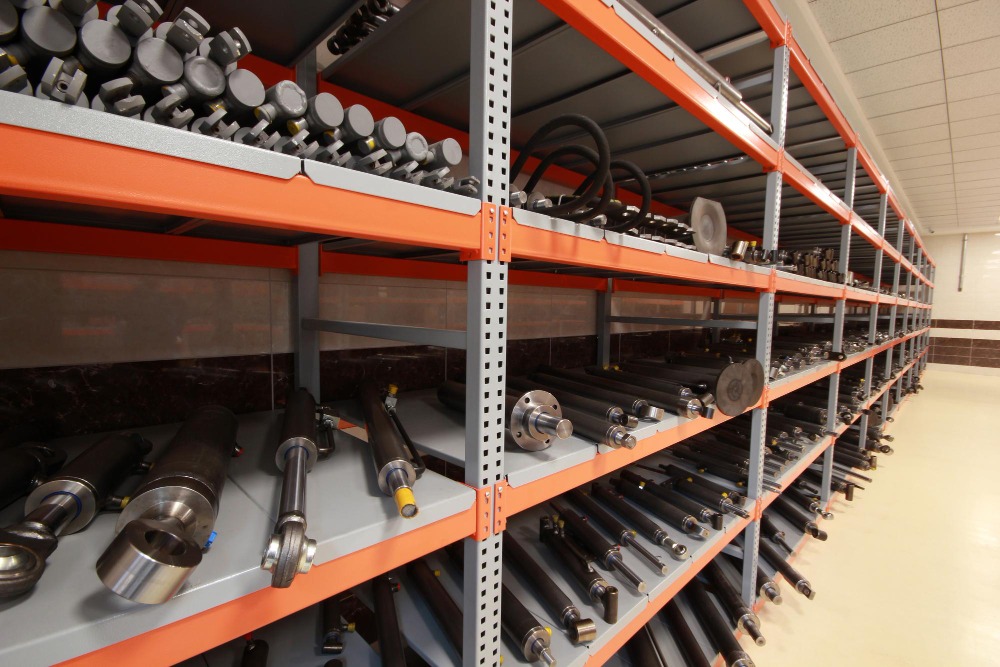
Completing these steps before booking helps prevent collection refusals and transit delays.
Measure the item only after packaging is complete. Include wrapping materials, protective padding, and pallets when recording length, width, height, and total weight.
Carriers use these final dimensions to calculate cubic weight, which determines the freight charge for oversized items. Record these measurements clearly before entering them into any quoting platform.
Bull bars, roof racks, and suspension components contain exposed mounting points, sharp edges, and painted surfaces that are easily damaged during handling. Cover edges with foam or cardboard protection, then apply shrink wrap or heavy-duty plastic to prevent abrasion during loading and unloading. Secure loose brackets or hardware separately to avoid movement while in transit.
Well-secured packaging reduces the likelihood of freight damage during forklift handling and trailer loading.
Place the item centrally on a pallet that fully supports its footprint without overhang. Use straps or rated tie-downs to secure heavy components firmly to the pallet before wrapping the entire load. Position labels on at least two visible sides of the wrapped pallet so forklift operators can identify handling instructions from multiple angles. Make sure the pallet can be lifted safely from all sides before collection.
Attach clear consignment labels showing sender and receiver details, contact numbers, and delivery instructions. Declare oversized or heavy freight where required so carriers allocate suitable equipment at collection and delivery.
Follow Couriers & Freight’s preparation guidance to reduce damage claims, rehandling fees, and booking delays.
Before requesting quotes, confirm that the carrier handles pallet freight and understands top-load or oversized classifications.
When comparing carriers, assess each option against clear, practical criteria:
Requesting quotes from individual carriers takes time and produces inconsistent formats that are difficult to compare. Couriers & Freight allows users to enter one set of shipment details and compare bulky freight carrier options in a single view.
Couriers & Freight supports pallet freight, heavy automotive components, and irregular freight that exceeds standard parcel limits. Businesses can also review freight warranty options if they want coverage against loss or damage during transport.
Get a freight quote for your 4x4 parts shipment through Couriers & Freight.
Compare carrier rates for bull bars, roof racks, and oversized automotive parts shipped interstate through Couriers & Freight.
Get a Quote Now


MHP

No Surcharge*

$16.50
$14
$15.50
$0
$15.50
$14.75
$0
$0
$0
$0
MHP Large Item
No Surcharge*
$16.50
$75
$62
$62
$60.10
$14.75
$0
$0
$0
$0
Residential Pickup
No Surcharge*
$6
$0
$9
--
$9
$10.60
$0
$0
$0
$38.50
Reidential pick up 30-99kgs
No Surcharge*
$63
$0
$9
$0
$9
$74.15
$20
Won't carry
Won't carry
$38.50
Residential pick up 100kgs+
No Surcharge*
$198
$0
$9
$0
$9
$158.87
$50
Won't carry
Won't carry
$38.50
Residential Delivery up to 29kgs
No Surcharge*
$6
$0
$9
--
$9.00
$10.60
$0
$0
$0
$38.50
Residential Delivery up 30-99kgs
No Surcharge*
$63
$0
$9
$0
$9
$74.15
$20
Won't carry
Won't carry
$38.50
Residential Delivery 100kgs+
No Surcharge*
$198
$0
$9
--
$9
$158.57
$50
Won't carry
Won't carry
$38.50
Tail Lift Pick up 50-99kgs Sydney / Melbourne
No Surcharge*
$45
$50-$250
$88
$88
$88
$44.07
$120
Won't carry
Won't carry
$61.50
Tail Lift Pick up 100-299kgs Sydney / Melbourne
No Surcharge*
$85
$50-$250
$88
$88
$88
$44.07
$120
Won't carry
Won't carry
$61.50
Tail Lift Pick up 300-499kgs Sydney / Melbourne
No Surcharge*
$120
$50-$250
$88
$88
$88
$44.07
$120
Won't carry
Won't carry
$61.50
Tail Lift Pick up 500kgs + Sydney / Melbourne
No Surcharge*
$250
$50-$250
$88
$88
$88
$44.07
$120
Won't carry
Won't carry
$61.50
Tail Lift Delivery 50-99kgs Sydney / Melbourne
No Surcharge*
$45
$50-$250
$88
$88
$88
$44.07
$120
Won't carry
Won't carry
$61.50
Tail Lift Delivery 100-299kgs Sydney / Melbourne
No Surcharge*
$85
$50-$250
$88
$88
$88
$44.07
$120
Won't carry
Won't carry
$61.50
Tail Lift Delivery300-499kgs Sydney / Melbourne
No Surcharge*
$120
$50-$250
$88
$88
$88
$44.07
$120
Won't carry
Won't carry
$61.50
Tail Lift Delivery 500kgs + Sydney / Melbourne
No Surcharge*
$250
$50-$250
$88
$88
$88
$44.07
$120
Won't carry
Won't carry
$61.50
Dead weight over 32KGS carton freight
No Surcharge*
$16.50
$75
$70
$70
$70
$14.75
$0
Won't carry
Won't carry
$0
Oversize Surcharge 1.20 - 1.54
No Surcharge*
--
$0
$0
$0
$0
$5.40
$10
$15
Won't carry
$0
Oversize Surcharge 1.55 - 1.85
No Surcharge*
$17
$20
$0
$0
$0
$11.93
$10
$15
Won't carry
$0
Oversize Surcharge 1.86 - 2.20
No Surcharge*
$37
$40
$0
$0
$0
$11.93
$10
Won't carry
Won't carry
$0
Pallet Surcharge
No Surcharge*
--
$0
$0
$0
$0
$0
$0
Won't carry
Won't carry
$0
Hand Unload Fee Carton
No Surcharge*
--
$0
$70
$70
$70
$47
$0
Won't carry
Won't carry
$61.50
Western Australia Regional Surcharge
No Surcharge*
%10
$0
$0
$0
$0
$0
$0
$0
$0
$0
*Surcharges may apply to areas/deimensions not listed
**Prices correct of 16th September 2024

Click to start shipping in less than 60 seconds