
🎄 Festive Rush - Deliveries might take a bit longer. We appreciate your patience.
Festive Period 2025
Cut-Off Times

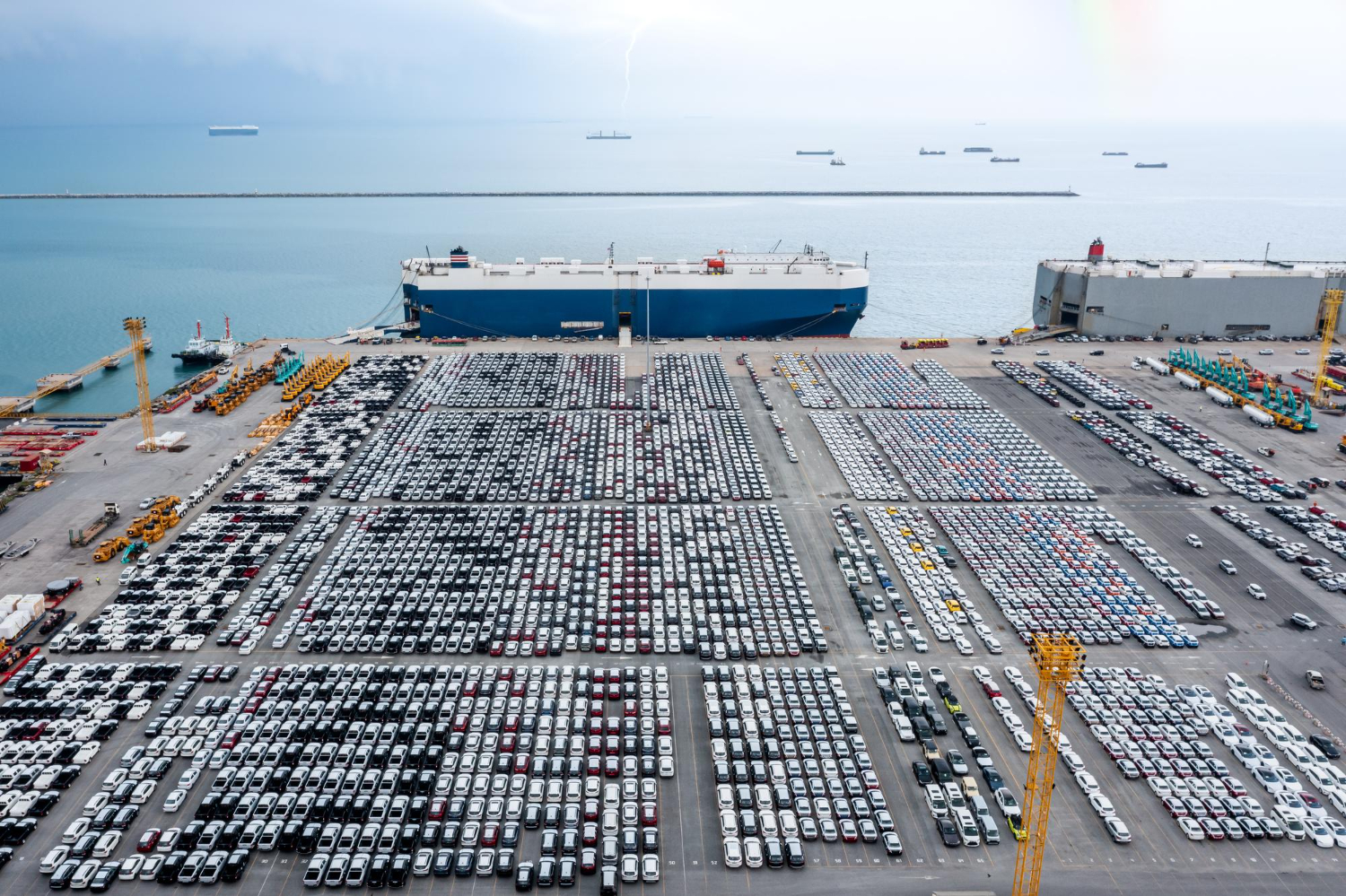
Deciding between Roll-on/Roll-off (RoRo) and container shipping can lead to unexpected port charges and delays if cargo eligibility or destination requirements are assessed incorrectly.
A 2025 sea freight analysis by SEA GO highlights that many shippers assume roll-on vessels provide the lowest pricing, yet overlooked destination handling fees and strict operational criteria significantly shift overall freight costs.
This article outlines which ocean transport method aligns with specific commercial cargo types and details the core operational factors that determine cost differences across major Australian port terminals.
Book big and bulky delivery for oversized cargo once your container clears an Australian port.
Get a Quote NowDetermining whether to book RoRo or container shipping depends on vehicle operational status, asset protection requirements, and destination port capabilities across Australia.
Choosing the correct shipping method early can reduce the risk of extra terminal handling, border delays and unnecessary cargo rehandling.
Importers preparing commercial cargo for Australian entry can request a quote with Couriers & Freight to manage onshore transport legs efficiently
Physical cargo condition and asset value strictly determine whether shippers choose RoRo or container shipping. Physical cargo specifications, not initial estimate figures, determine which vessel loading requirements a shipment must meet.
In practice, vehicle mechanical condition and destination port infrastructure dictate the final shipping method. Non-running units automatically disqualify shippers from RoRo services.
Container shipping becomes the only option.
Sending freight into a regional port without a dedicated auto berth forces cargo onto standard container routes, even when the vehicle itself is fully roadworthy and would otherwise qualify for RoRo.
Evaluating these operational parameters early prevents costly delays and unexpected re-handling charges.
RoRo can be cheaper for eligible vehicles because loading and unloading generally require less container handling and packing.
The main cost drivers:
Comparing shared container options against standard RoRo rates keeps freight budgets aligned with the asset protection each shipment actually needs.
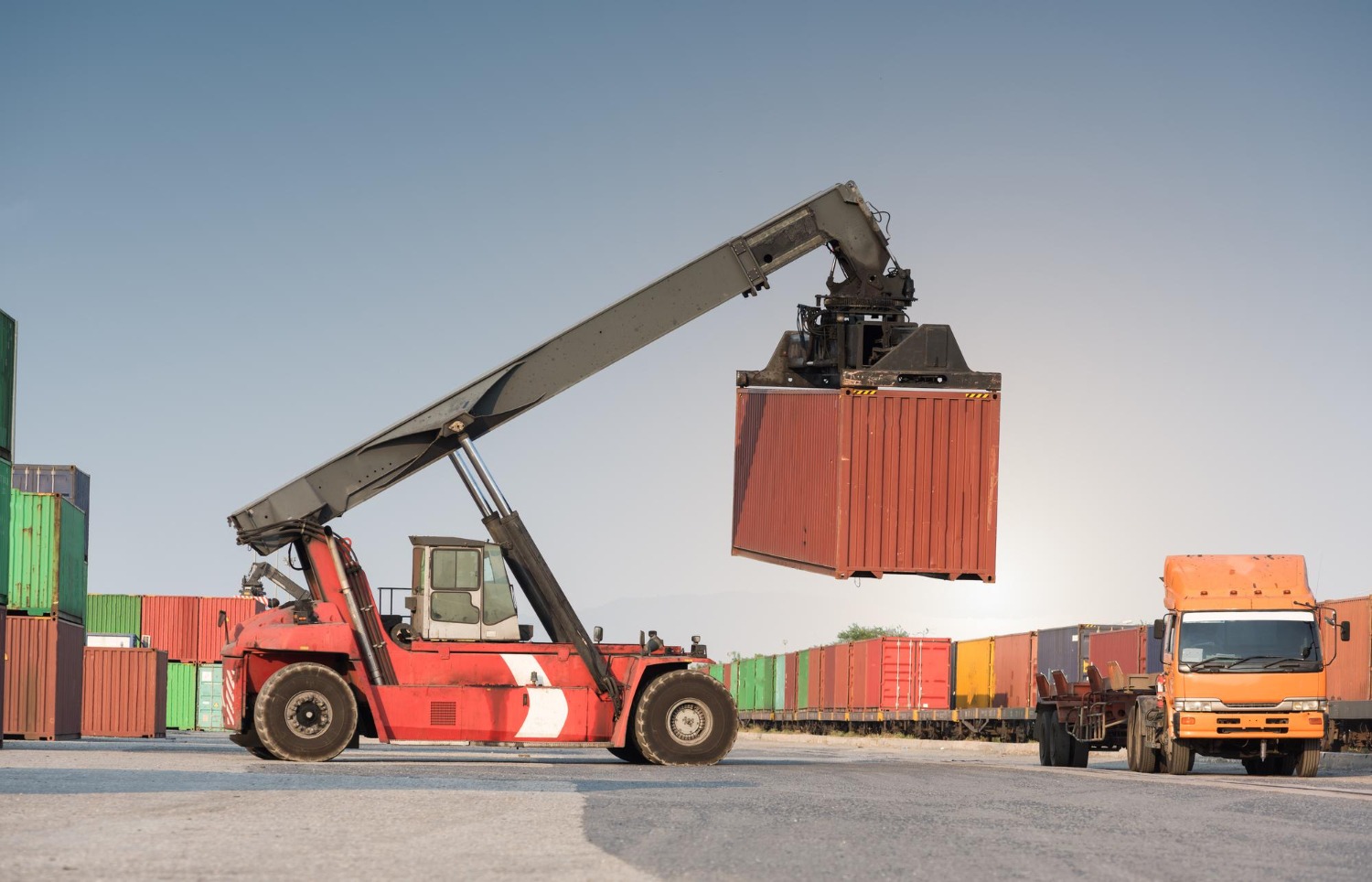
Once cargo rules out RoRo, container shipping becomes the practical route into Australian ports.
Couriers & Freight arranges Full Container Load (FCL) and LCL freight for ocean transit, then coordinates big and bulky delivery once the container clears an Australian port. An equipment reseller importing non-running industrial machinery, for example, needs an ocean container booking paired with heavy-haulage road transport from Port Botany to an inland warehouse.
Booking ocean freight and onshore transport through one provider can reduce coordination gaps that may otherwise lead to storage charges or delivery delays.
Couriers & Freight integrates ocean freight bookings and Australian port pickup into one tracking platform. This single dashboard provides complete shipment visibility. Centralising transport management reduces administrative overhead and ensures efficient handling.
To arrange reliable onshore handling and transport for oversized freight, book your local delivery through Big and Bulky Delivery.
Book big and bulky delivery for oversized cargo once your container clears an Australian port.
Get a Quote Now


MHP

No Surcharge*

$16.50
$14
$15.50
$0
$15.50
$14.75
$0
$0
$0
$0
MHP Large Item
No Surcharge*
$16.50
$75
$62
$62
$60.10
$14.75
$0
$0
$0
$0
Residential Pickup
No Surcharge*
$6
$0
$9
--
$9
$10.60
$0
$0
$0
$38.50
Reidential pick up 30-99kgs
No Surcharge*
$63
$0
$9
$0
$9
$74.15
$20
Won't carry
Won't carry
$38.50
Residential pick up 100kgs+
No Surcharge*
$198
$0
$9
$0
$9
$158.87
$50
Won't carry
Won't carry
$38.50
Residential Delivery up to 29kgs
No Surcharge*
$6
$0
$9
--
$9.00
$10.60
$0
$0
$0
$38.50
Residential Delivery up 30-99kgs
No Surcharge*
$63
$0
$9
$0
$9
$74.15
$20
Won't carry
Won't carry
$38.50
Residential Delivery 100kgs+
No Surcharge*
$198
$0
$9
--
$9
$158.57
$50
Won't carry
Won't carry
$38.50
Tail Lift Pick up 50-99kgs Sydney / Melbourne
No Surcharge*
$45
$50-$250
$88
$88
$88
$44.07
$120
Won't carry
Won't carry
$61.50
Tail Lift Pick up 100-299kgs Sydney / Melbourne
No Surcharge*
$85
$50-$250
$88
$88
$88
$44.07
$120
Won't carry
Won't carry
$61.50
Tail Lift Pick up 300-499kgs Sydney / Melbourne
No Surcharge*
$120
$50-$250
$88
$88
$88
$44.07
$120
Won't carry
Won't carry
$61.50
Tail Lift Pick up 500kgs + Sydney / Melbourne
No Surcharge*
$250
$50-$250
$88
$88
$88
$44.07
$120
Won't carry
Won't carry
$61.50
Tail Lift Delivery 50-99kgs Sydney / Melbourne
No Surcharge*
$45
$50-$250
$88
$88
$88
$44.07
$120
Won't carry
Won't carry
$61.50
Tail Lift Delivery 100-299kgs Sydney / Melbourne
No Surcharge*
$85
$50-$250
$88
$88
$88
$44.07
$120
Won't carry
Won't carry
$61.50
Tail Lift Delivery300-499kgs Sydney / Melbourne
No Surcharge*
$120
$50-$250
$88
$88
$88
$44.07
$120
Won't carry
Won't carry
$61.50
Tail Lift Delivery 500kgs + Sydney / Melbourne
No Surcharge*
$250
$50-$250
$88
$88
$88
$44.07
$120
Won't carry
Won't carry
$61.50
Dead weight over 32KGS carton freight
No Surcharge*
$16.50
$75
$70
$70
$70
$14.75
$0
Won't carry
Won't carry
$0
Oversize Surcharge 1.20 - 1.54
No Surcharge*
--
$0
$0
$0
$0
$5.40
$10
$15
Won't carry
$0
Oversize Surcharge 1.55 - 1.85
No Surcharge*
$17
$20
$0
$0
$0
$11.93
$10
$15
Won't carry
$0
Oversize Surcharge 1.86 - 2.20
No Surcharge*
$37
$40
$0
$0
$0
$11.93
$10
Won't carry
Won't carry
$0
Pallet Surcharge
No Surcharge*
--
$0
$0
$0
$0
$0
$0
Won't carry
Won't carry
$0
Hand Unload Fee Carton
No Surcharge*
--
$0
$70
$70
$70
$47
$0
Won't carry
Won't carry
$61.50
Western Australia Regional Surcharge
No Surcharge*
%10
$0
$0
$0
$0
$0
$0
$0
$0
$0
*Surcharges may apply to areas/deimensions not listed
**Prices correct of 16th September 2024

Click to start shipping in less than 60 seconds