
🎄 Festive Rush - Deliveries might take a bit longer. We appreciate your patience.
Festive Period 2025
Cut-Off Times

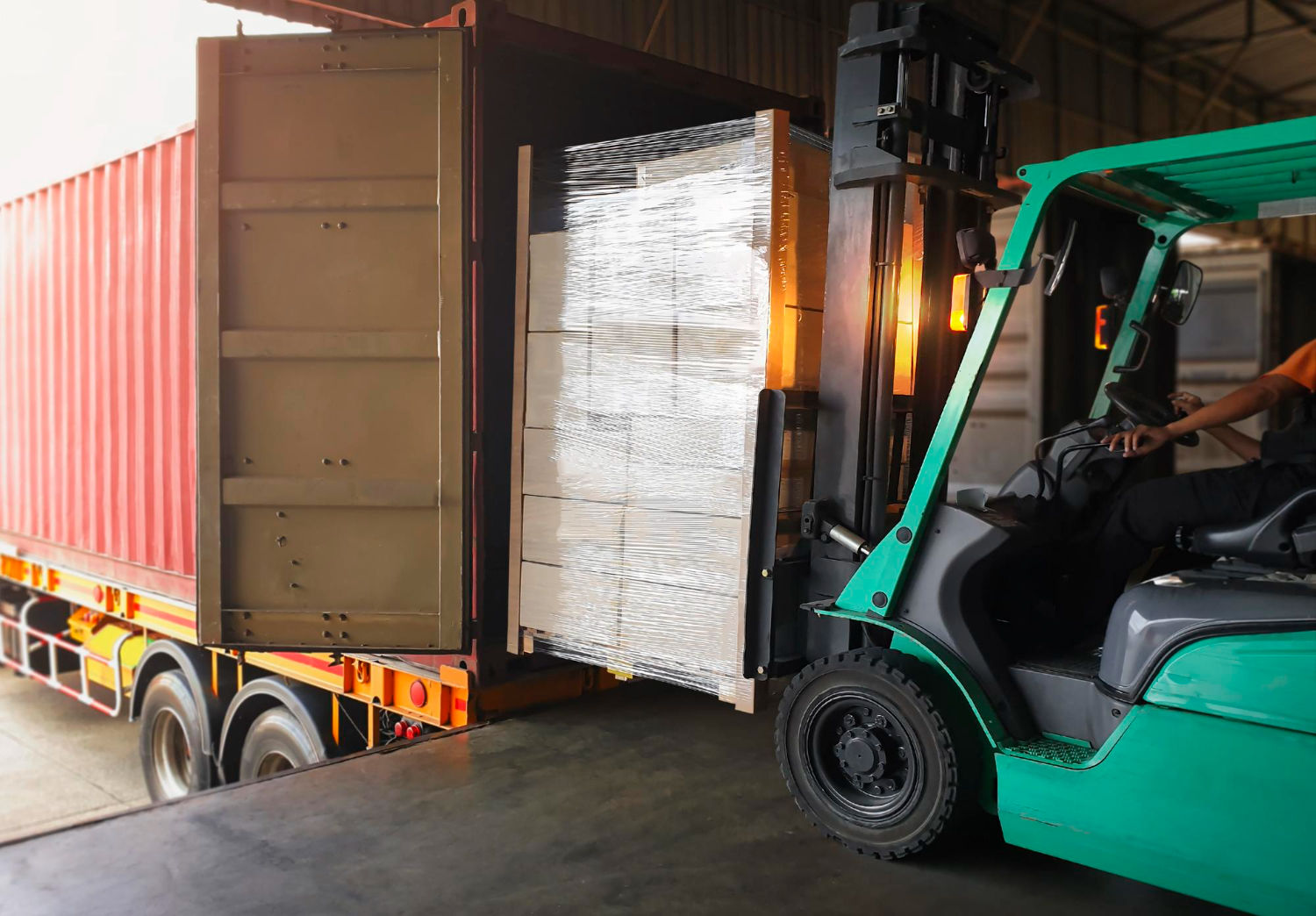
Freight damage in LTL (less-than-truckload) transportation affects about 1 in 80 shipments, based on the 2025 Flock Freight Shipper Research Study's industry average damage rate of 1.24%. Claims often take weeks or months to resolve, and many businesses recover less than the full value because carrier liability is limited.
This guide covers three primary causes of LTL damage, what shippers can control through packaging and routing, what remains the carrier's responsibility, and how to choose carriers with stronger claims frameworks.
Compare LTL carrier rates and book your freight quote with Couriers & Freight.
Get a Quote NowCompare LTL carrier rates, service terms and claims frameworks through Couriers & Freight before arranging your next shipment.
Freight damage in LTL transportation most often results from repeated handling, poor pallet preparation and shared trailer environments. Understanding these operational risks helps distinguish the issues shippers can address from those that depend on carrier practices.
LTL shipments typically pass through 3-5 freight terminals between collection and delivery, where they are unloaded, sorted and reloaded at each hub. Every additional touchpoint increases the likelihood of forklift impacts, dropped pallets or handling errors.
The number of terminal handoffs is determined by the carrier's transport network rather than the shipper's packing decisions.
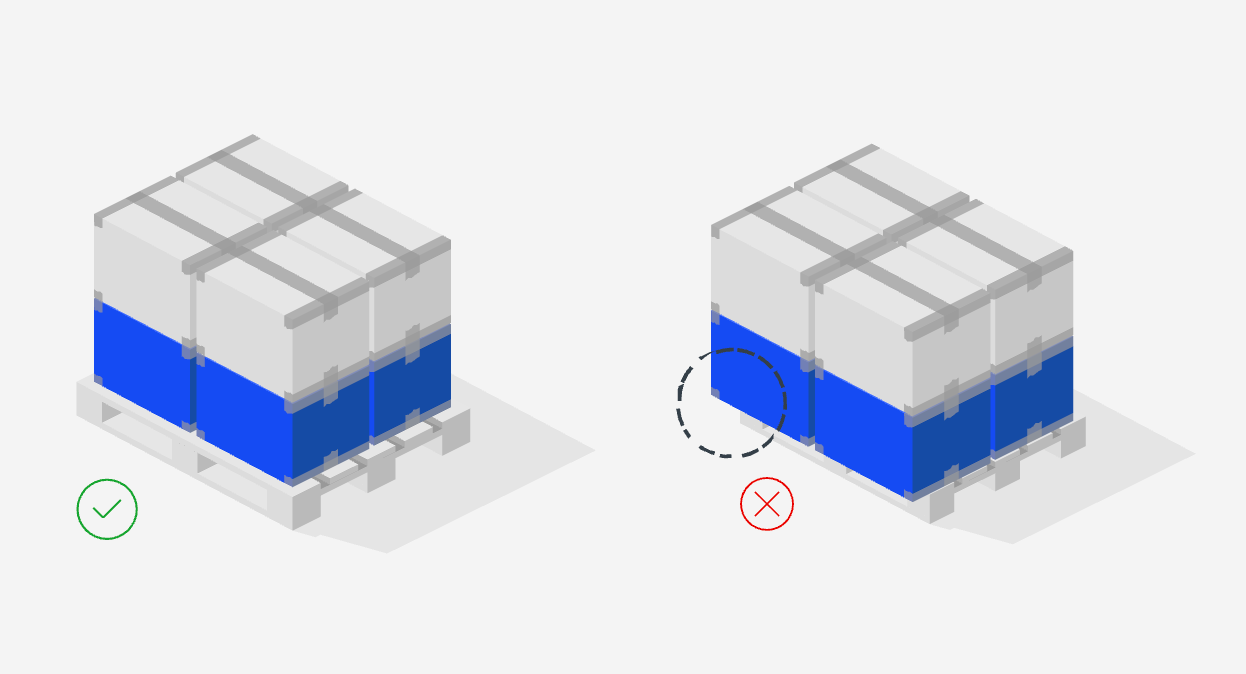
Overhanging cartons, pyramid stacking, uneven weight distribution and loose stretch wrap allow freight to shift during transit. Shippers can reduce this risk by keeping loads stable, centred on the pallet and securely wrapped before collection.
LTL trailers often carry freight from multiple customers. Heavy or incompatible consignments can crush, puncture or destabilise nearby freight if loads are not properly separated or restrained.
Some carriers reduce this risk through dedicated services, while others rely on shared consolidation networks.
Of these three causes, poor palletisation is largely within the shipper's control, while terminal handoffs and trailer sharing are determined primarily by the carrier's operating model.
Reducing freight damage in LTL transportation begins with decisions made before a shipment leaves the warehouse.
Packaging and routing are the two areas where shippers have the greatest influence over damage risk.
Applying recognised palletisation practices and selecting routes that minimise handling can reduce the likelihood of damaged freight during transit.
Shippers should follow these standard practices to improve load stability:
Choosing routes with fewer handling points can further reduce damage risk. Direct carrier services and cross-dock networks ship freight through fewer terminals, limiting the number of loading and unloading events. Cross-docking can reduce handling by transferring freight between inbound and outbound transport without placing it into long-term storage.
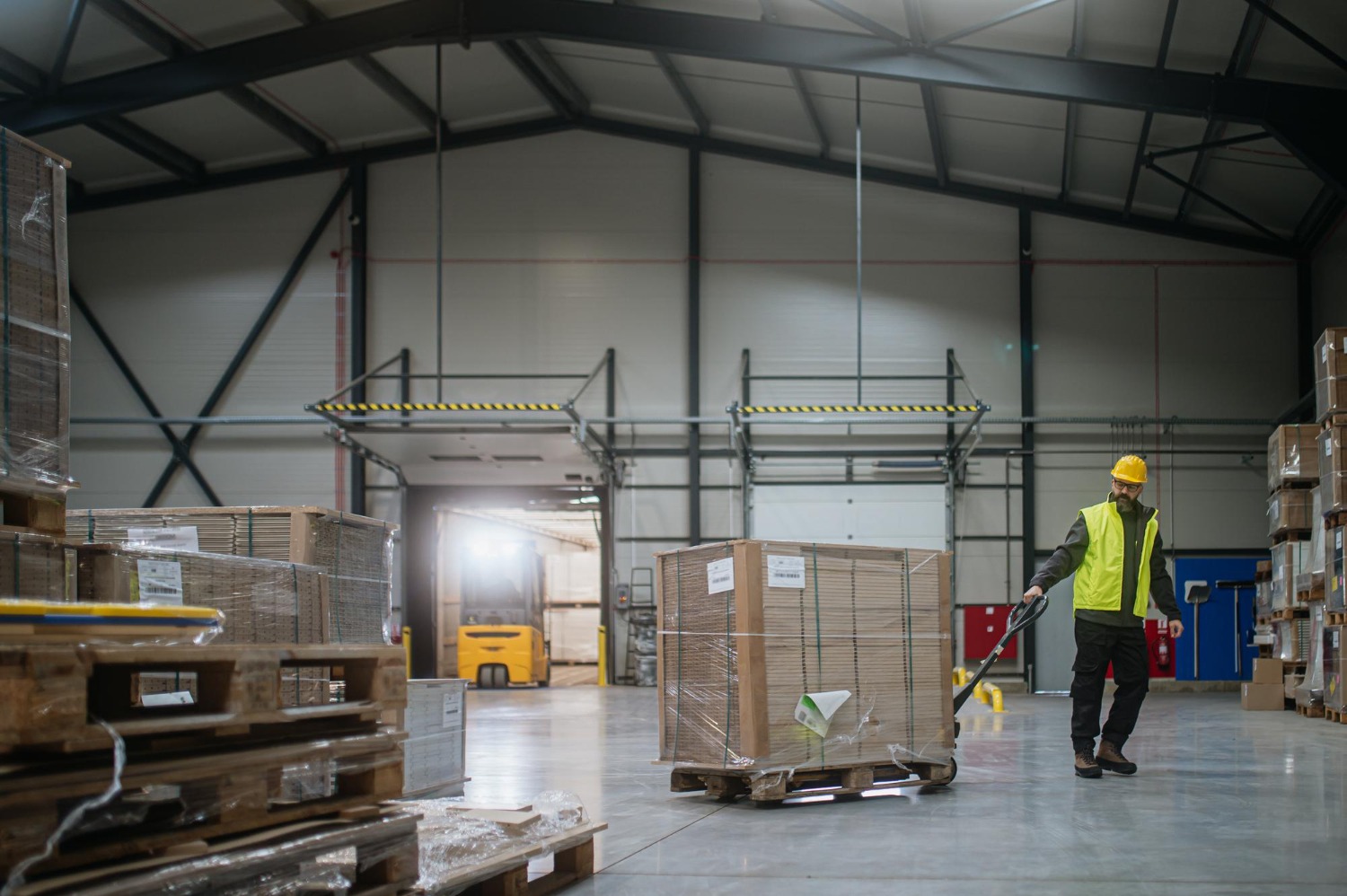
Several Australian freight operators provide cross-docking services, including Northline and MRL Global, although availability depends on the transport route and service network.
Businesses using Couriers & Freight can compare carriers that offer cross-docking on eligible routes, helping reduce unnecessary terminal handling where the service is available.
Once freight damage in LTL transportation occurs, the outcome depends largely on the carrier's liability terms and claims process. While careful packaging reduces risk, it cannot eliminate damage caused by handling practices or identify how quickly a claim is resolved.
Australian domestic road freight carriers generally limit their liability under their Conditions of Carriage rather than covering the full replacement value of damaged goods. Liability limits vary between operators and may be expressed as a fixed amount per consignment or another contractual limit.
For this reason, shippers should review the carrier's liability terms before booking and consider supplementary cargo insurance where appropriate.
Supplementary cargo insurance is available for an additional premium and can provide cover up to the declared value of the shipment. Without this cover, compensation under standard carrier liability may fall well below the value of the damaged goods.
Some shippers wait more than 60 days for damage claims to be resolved. Carriers with dedicated, well-staffed claims teams tend to settle straightforward cases within four to six weeks.
Others without that infrastructure can take eight to twelve weeks or longer, and disputed or poorly documented claims can stretch well past 90 days. This timeline is a real operational cost to the shipper. It ties up cash through float, complicates cash-flow planning, and consumes staff time spent following up.
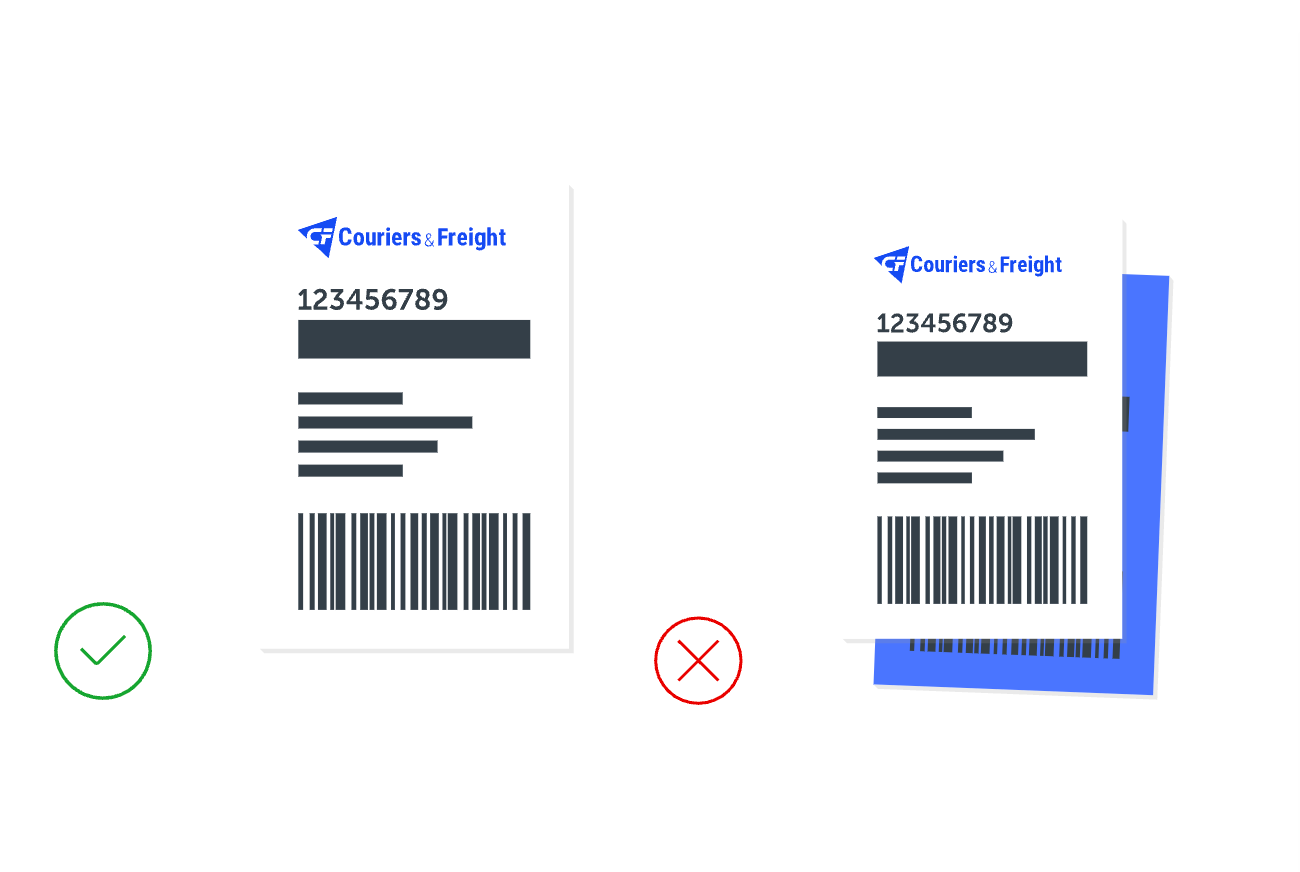
Before selecting a carrier, ask directly about its claims service-level agreement (SLA). Confirm what documentation it requires and its average resolution timeframe.
A Sydney retailer ships 20 pallets of consumer goods to Melbourne each month using LTL freight. Despite following good packaging practices, one or two shipments are still damaged each quarter. Rather than choosing carriers based on price alone, the business wants to compare service quality, liability terms and claims handling to reduce future losses without increasing freight costs.
Couriers & Freight gives Australian businesses access to a network of more than 65 carrier partners through a single platform. Shippers can compare LTL freight rates and review service terms and claims information before booking. They can then book the consignment and track it from collection to arrival.
Instead of contacting multiple carriers to compare liability conditions and claims processes, businesses can review these details in one place before booking.
Compare LTL carrier rates and book an LTL freight quote for your next shipment.
Compare LTL carrier rates and book your freight quote with Couriers & Freight.
Get a Quote Now


MHP

No Surcharge*

$16.50
$14
$15.50
$0
$15.50
$14.75
$0
$0
$0
$0
MHP Large Item
No Surcharge*
$16.50
$75
$62
$62
$60.10
$14.75
$0
$0
$0
$0
Residential Pickup
No Surcharge*
$6
$0
$9
--
$9
$10.60
$0
$0
$0
$38.50
Reidential pick up 30-99kgs
No Surcharge*
$63
$0
$9
$0
$9
$74.15
$20
Won't carry
Won't carry
$38.50
Residential pick up 100kgs+
No Surcharge*
$198
$0
$9
$0
$9
$158.87
$50
Won't carry
Won't carry
$38.50
Residential Delivery up to 29kgs
No Surcharge*
$6
$0
$9
--
$9.00
$10.60
$0
$0
$0
$38.50
Residential Delivery up 30-99kgs
No Surcharge*
$63
$0
$9
$0
$9
$74.15
$20
Won't carry
Won't carry
$38.50
Residential Delivery 100kgs+
No Surcharge*
$198
$0
$9
--
$9
$158.57
$50
Won't carry
Won't carry
$38.50
Tail Lift Pick up 50-99kgs Sydney / Melbourne
No Surcharge*
$45
$50-$250
$88
$88
$88
$44.07
$120
Won't carry
Won't carry
$61.50
Tail Lift Pick up 100-299kgs Sydney / Melbourne
No Surcharge*
$85
$50-$250
$88
$88
$88
$44.07
$120
Won't carry
Won't carry
$61.50
Tail Lift Pick up 300-499kgs Sydney / Melbourne
No Surcharge*
$120
$50-$250
$88
$88
$88
$44.07
$120
Won't carry
Won't carry
$61.50
Tail Lift Pick up 500kgs + Sydney / Melbourne
No Surcharge*
$250
$50-$250
$88
$88
$88
$44.07
$120
Won't carry
Won't carry
$61.50
Tail Lift Delivery 50-99kgs Sydney / Melbourne
No Surcharge*
$45
$50-$250
$88
$88
$88
$44.07
$120
Won't carry
Won't carry
$61.50
Tail Lift Delivery 100-299kgs Sydney / Melbourne
No Surcharge*
$85
$50-$250
$88
$88
$88
$44.07
$120
Won't carry
Won't carry
$61.50
Tail Lift Delivery300-499kgs Sydney / Melbourne
No Surcharge*
$120
$50-$250
$88
$88
$88
$44.07
$120
Won't carry
Won't carry
$61.50
Tail Lift Delivery 500kgs + Sydney / Melbourne
No Surcharge*
$250
$50-$250
$88
$88
$88
$44.07
$120
Won't carry
Won't carry
$61.50
Dead weight over 32KGS carton freight
No Surcharge*
$16.50
$75
$70
$70
$70
$14.75
$0
Won't carry
Won't carry
$0
Oversize Surcharge 1.20 - 1.54
No Surcharge*
--
$0
$0
$0
$0
$5.40
$10
$15
Won't carry
$0
Oversize Surcharge 1.55 - 1.85
No Surcharge*
$17
$20
$0
$0
$0
$11.93
$10
$15
Won't carry
$0
Oversize Surcharge 1.86 - 2.20
No Surcharge*
$37
$40
$0
$0
$0
$11.93
$10
Won't carry
Won't carry
$0
Pallet Surcharge
No Surcharge*
--
$0
$0
$0
$0
$0
$0
Won't carry
Won't carry
$0
Hand Unload Fee Carton
No Surcharge*
--
$0
$70
$70
$70
$47
$0
Won't carry
Won't carry
$61.50
Western Australia Regional Surcharge
No Surcharge*
%10
$0
$0
$0
$0
$0
$0
$0
$0
$0
*Surcharges may apply to areas/deimensions not listed
**Prices correct of 16th September 2024

Click to start shipping in less than 60 seconds