
🎄 Festive Rush - Deliveries might take a bit longer. We appreciate your patience.
Festive Period 2025
Cut-Off Times

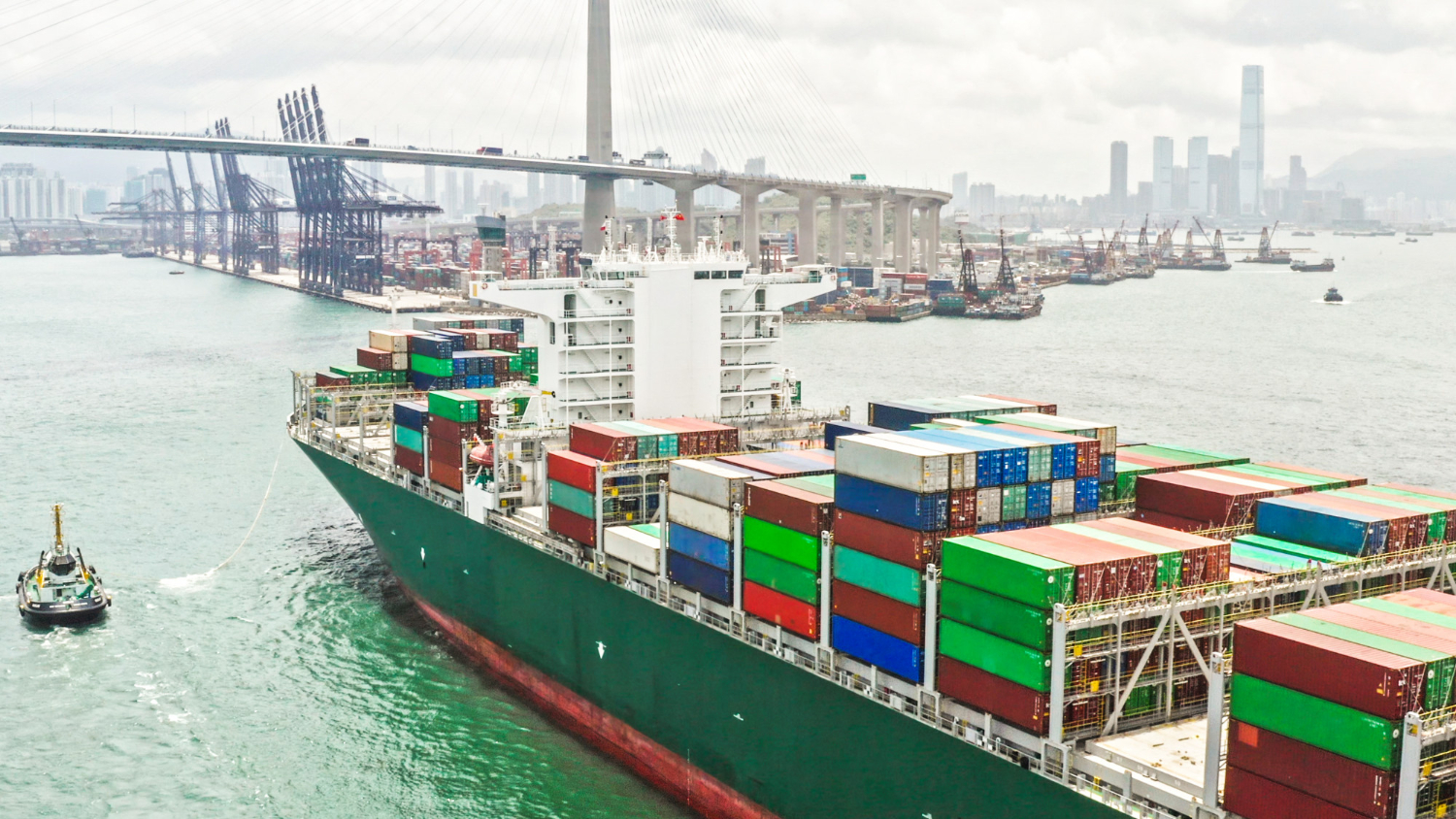
A cancelled sailing can delay Australian imports by weeks, increase storage costs and leave businesses scrambling for replacement stock. As disruptions like these become more common, importers are asking what a blank sailing actually is.
According to Drewry, carriers withdrew 51 of 714 scheduled sailings across major East-West trade routes for the last five weeks, with nearly half of those cancellations hitting Transpacific eastbound routes.
This article explains what a blank sailing is, why shipping lines cancel scheduled voyages, how these disruptions affect cargo shipped to Australia, and the practical steps importers can take to reduce the risk.
Get an instant quote to book FCL or LCL sea freight shipments to and from Australia.
Get a Quote NowCouriers & Freight helps Australian importers compare sea freight services across multiple carriers when flexibility is needed.
A blank sailing, also called a void sailing, occurs when a shipping line cancels a scheduled sailing or skips one or more planned ports, leaving booked cargo to be rolled onto a later vessel or waiting at the origin until another sailing becomes available.
Unlike weather delays or mechanical failures that occur unexpectedly during transit, blank sailings are planned schedule changes announced by the carrier before departure.
Shipping lines use them to balance vessel capacity with market demand, recover delayed schedules or respond to operational constraints.
Although the vessel may still operate part of its route, affected cargo often arrives later than originally planned, disrupting inventory planning and customer commitments.
A full cancellation means the scheduled voyage does not operate at all. Carriers transfer booked cargo to the next available vessel, which may delay delivery by several weeks depending on service frequency.
A port skip happens when the vessel continues its voyage but omits one or more scheduled ports.
For example, a vessel travelling from Shanghai to Melbourne may bypass Melbourne to recover lost time before continuing to another Australian port. Cargo intended for Melbourne may then require transhipment or inland transport before reaching its final destination.
In most cases, carriers will rebook affected cargo under their terms of carriage, although additional storage or handling costs may still apply.
Shipping lines generally announce blank sailings between one and two weeks before departure, although notice periods vary by carrier and market conditions. During periods of market volatility, this window tends to shrink further.
According to AIR7SEAS, most ocean carriers provide 7 to 14 days' advance notice for blank sailings. Emergency cancellations linked to port congestion or weather can be announced with as little as 24 to 48 hours' notice.
Shippers are advised to plan for last-minute adjustments during disrupted periods such as the run-up to Golden Week.
Importers typically receive these updates through carrier advisory emails or revised sailing schedules. Freight forwarders and shipment-tracking platforms often pass the notice along as well.
Short notice can disrupt warehouse bookings, customs clearance planning and final delivery schedules. The impact is greatest when the cancelled sailing is the only direct service operating that week. Businesses with tight inventory timelines often have little opportunity to secure alternative vessel space before capacity fills.
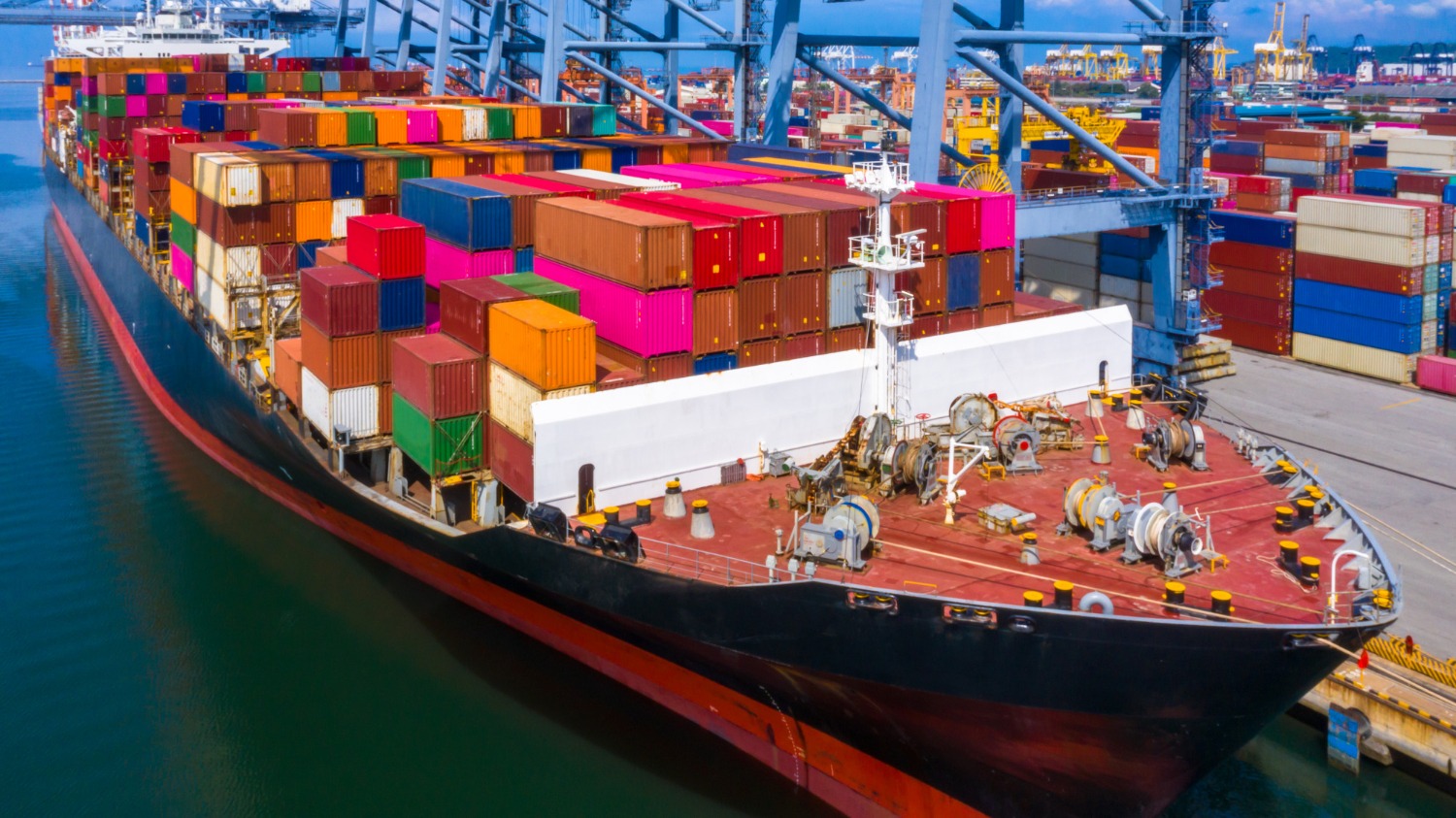
Shipping lines cancel sailings for several commercial and operational reasons. Understanding the cause helps importers assess the likelihood of further disruption and plan alternative shipping arrangements.
A blank sailing can affect more than the vessel schedule. Delays often flow through warehousing, customs clearance and final delivery, increasing both costs and operational risk for importers.
A one-week delay at sea can easily become two or three weeks of disruption once warehouse bookings, customs processing and domestic transport schedules are rescheduled around the revised arrival date.
While blank sailings cannot always be avoided, businesses can reduce their impact by strengthening their freight planning and maintaining flexibility across their supply chain.
Using more than one carrier reduces the risk of having every shipment affected by the same cancelled sailing. It also provides greater flexibility when one service is withdrawn or delayed.
Booking well before peak seasons such as Lunar New Year, Golden Week, or periods of geopolitical uncertainty improves the likelihood of securing confirmed space before carriers begin reducing capacity.
Holding additional inventory for high-priority SKUs protects against shipping delays and helps maintain customer service levels while replacement stock is in transit.
If a full container booking is affected by a blank sailing, moving urgent cargo through an less than container load (LCL) service on another sailing may reduce delays for priority goods.
Couriers & Freight helps Australian importers compare sea freight services across multiple carriers. Once a carrier is chosen, cargo can be tracked across every carrier from a single view. From there, importers book FCL or LCL shipments without opening a separate account for each one.
Get a sea freight quote for your next shipment with Couriers & Freight.
Get an instant quote to book FCL or LCL sea freight shipments to and from Australia.
Get a Quote Now


MHP

No Surcharge*

$16.50
$14
$15.50
$0
$15.50
$14.75
$0
$0
$0
$0
MHP Large Item
No Surcharge*
$16.50
$75
$62
$62
$60.10
$14.75
$0
$0
$0
$0
Residential Pickup
No Surcharge*
$6
$0
$9
--
$9
$10.60
$0
$0
$0
$38.50
Reidential pick up 30-99kgs
No Surcharge*
$63
$0
$9
$0
$9
$74.15
$20
Won't carry
Won't carry
$38.50
Residential pick up 100kgs+
No Surcharge*
$198
$0
$9
$0
$9
$158.87
$50
Won't carry
Won't carry
$38.50
Residential Delivery up to 29kgs
No Surcharge*
$6
$0
$9
--
$9.00
$10.60
$0
$0
$0
$38.50
Residential Delivery up 30-99kgs
No Surcharge*
$63
$0
$9
$0
$9
$74.15
$20
Won't carry
Won't carry
$38.50
Residential Delivery 100kgs+
No Surcharge*
$198
$0
$9
--
$9
$158.57
$50
Won't carry
Won't carry
$38.50
Tail Lift Pick up 50-99kgs Sydney / Melbourne
No Surcharge*
$45
$50-$250
$88
$88
$88
$44.07
$120
Won't carry
Won't carry
$61.50
Tail Lift Pick up 100-299kgs Sydney / Melbourne
No Surcharge*
$85
$50-$250
$88
$88
$88
$44.07
$120
Won't carry
Won't carry
$61.50
Tail Lift Pick up 300-499kgs Sydney / Melbourne
No Surcharge*
$120
$50-$250
$88
$88
$88
$44.07
$120
Won't carry
Won't carry
$61.50
Tail Lift Pick up 500kgs + Sydney / Melbourne
No Surcharge*
$250
$50-$250
$88
$88
$88
$44.07
$120
Won't carry
Won't carry
$61.50
Tail Lift Delivery 50-99kgs Sydney / Melbourne
No Surcharge*
$45
$50-$250
$88
$88
$88
$44.07
$120
Won't carry
Won't carry
$61.50
Tail Lift Delivery 100-299kgs Sydney / Melbourne
No Surcharge*
$85
$50-$250
$88
$88
$88
$44.07
$120
Won't carry
Won't carry
$61.50
Tail Lift Delivery300-499kgs Sydney / Melbourne
No Surcharge*
$120
$50-$250
$88
$88
$88
$44.07
$120
Won't carry
Won't carry
$61.50
Tail Lift Delivery 500kgs + Sydney / Melbourne
No Surcharge*
$250
$50-$250
$88
$88
$88
$44.07
$120
Won't carry
Won't carry
$61.50
Dead weight over 32KGS carton freight
No Surcharge*
$16.50
$75
$70
$70
$70
$14.75
$0
Won't carry
Won't carry
$0
Oversize Surcharge 1.20 - 1.54
No Surcharge*
--
$0
$0
$0
$0
$5.40
$10
$15
Won't carry
$0
Oversize Surcharge 1.55 - 1.85
No Surcharge*
$17
$20
$0
$0
$0
$11.93
$10
$15
Won't carry
$0
Oversize Surcharge 1.86 - 2.20
No Surcharge*
$37
$40
$0
$0
$0
$11.93
$10
Won't carry
Won't carry
$0
Pallet Surcharge
No Surcharge*
--
$0
$0
$0
$0
$0
$0
Won't carry
Won't carry
$0
Hand Unload Fee Carton
No Surcharge*
--
$0
$70
$70
$70
$47
$0
Won't carry
Won't carry
$61.50
Western Australia Regional Surcharge
No Surcharge*
%10
$0
$0
$0
$0
$0
$0
$0
$0
$0
*Surcharges may apply to areas/deimensions not listed
**Prices correct of 16th September 2024

Click to start shipping in less than 60 seconds